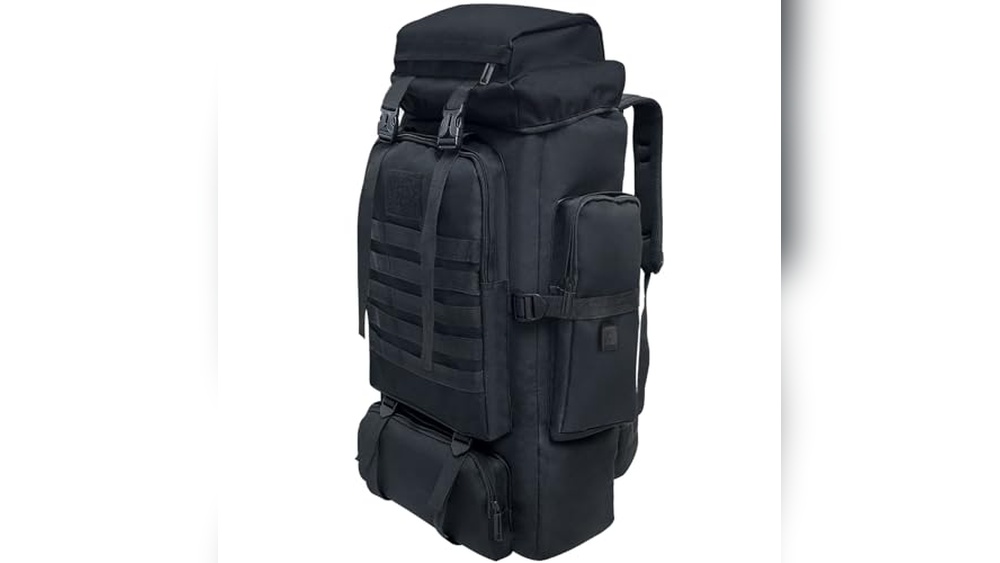
Are you struggling to get your Kelty Perfect Fit backpack to feel just right? A poorly adjusted pack can turn your outdoor adventure into a tiring experience.
But with the right tweaks, your backpack can feel like it was made just for you—comfortable, balanced, and easy to carry. In this guide, you’ll learn simple steps to adjust your Kelty Perfect Fit backpack so it fits perfectly every time.
Keep reading, and soon you’ll enjoy every hike without unnecessary strain or discomfort.
Kelty Perfect Fit Features
The Kelty Perfect Fit backpack offers smart features for a custom fit. It adjusts to your body for comfort and support. These features help carry heavy loads with less strain. Understanding these features helps you use the backpack well.
Each part of the backpack works together to fit your shape. The design focuses on balance, weight distribution, and ease of use. Let’s explore the main features that make this backpack special.
Key Components
The backpack has several key parts that help with fit and comfort. The adjustable shoulder straps move up and down to match your torso length. The hip belt also adjusts to fit your waist size. These parts keep the pack stable on your back.
There is a load lifter strap to pull the weight closer to your body. Compression straps tighten the pack to reduce movement. Padded back panels add comfort and help air flow. Each component plays a role in making the backpack fit just right.
Fit System Basics
The fit system uses a simple idea: adjust to your torso size. Start by loosening all straps. Then, place the backpack on and tighten the shoulder straps. Adjust the hip belt so it rests on your hips, not your waist.
Next, use the load lifter straps to bring the pack closer to your back. Tighten the compression straps to stabilize the load. Check that the back panel sits comfortably along your spine. This system makes sure the pack moves with you and stays secure.
Preparing The Backpack
Preparing your Kelty Perfect Fit Backpack is the first step to a comfortable carry. Proper preparation ensures the backpack fits your body well. It also helps avoid strain during your hike or travel. Follow these steps to get your pack ready.
Loosening Straps
Start by loosening all the straps on your backpack. This includes shoulder, hip, and load lifter straps. Loosening them gives you room to adjust the fit later. It also helps you put on the pack more easily. Make sure straps are not twisted or tangled.
Emptying The Pack
Remove all items from the backpack before adjusting. An empty pack is lighter and easier to handle. It lets you set the frame and straps correctly. Carrying weight can change how the pack fits. Keep it empty until you finish the fitting process.
Adjusting The Torso Length
Adjusting the torso length on your Kelty Perfect Fit backpack is key for comfort. A proper fit spreads the weight evenly. This reduces strain on your shoulders and back. It also helps improve your balance while hiking. Each backpack has an adjustable frame to match your torso size. Follow these simple steps to set it right.
Measuring Your Torso
Start by measuring your torso length accurately. Use a tape measure or a piece of string. Find the bony bump at the base of your neck. This is the seventh cervical vertebra (C7). Next, locate the top of your hip bones. Measure the distance between these two points. This number is your torso length. Write it down to use for adjusting the backpack.
Setting The Correct Length
Locate the adjustment mechanism on the backpack’s frame. Usually, it is near the shoulder straps or back panel. Loosen the locking system to move the harness up or down. Slide the harness until it matches your torso length. Secure the lock tightly to keep it in place. Put the backpack on and check the fit. The shoulder straps should rest comfortably without digging in. Your hips should carry most of the pack’s weight.
Fitting The Hipbelt
The hipbelt on the Kelty Perfect Fit Backpack helps carry most of the weight. It moves the load from your shoulders to your hips. A well-fitted hipbelt makes hiking easier and more comfortable.
Positioning The Hipbelt
Place the hipbelt around your hips, not your waist. The padded part should sit on top of your hip bones. This position supports your weight best. Adjust the belt so it feels snug but not tight. Make sure it does not press your stomach.
Tightening For Support
Pull the straps forward to tighten the hipbelt. This action locks the backpack close to your body. Tightening reduces bouncing while walking. Check that the belt stays in place and feels firm. Avoid over-tightening; it should not cut off circulation.
Adjusting Shoulder Straps
Adjusting the shoulder straps on your Kelty Perfect Fit Backpack is key for comfort. Proper adjustment helps spread the weight evenly. It stops strain on your shoulders and back. This section guides you through the steps to get the fit just right.
Aligning Shoulder Fit
Start by loosening the shoulder straps fully. Put on the backpack and stand straight. Pull the straps down slowly to tighten them. The straps should sit snug but not pinch. Adjust until the pack rests close to your body. Make sure the straps do not press on your neck.
Securing Load Lifters
Locate the load lifter straps near the top of the shoulder straps. Tighten these straps to bring the pack closer to your back. This helps balance the load. Avoid pulling too tight; the backpack should feel stable. Check the fit and adjust for comfort and support.
Fine-tuning For Comfort
Fine-tuning your Kelty Perfect Fit Backpack is key to a comfortable carry. Small adjustments help you avoid pain and fatigue on long hikes. Take time to make sure the backpack fits your body well. Focus on balance and pressure points to improve comfort.
Balancing The Load
Start by packing heavier items close to your back. This keeps weight centered and steady. Adjust the shoulder straps so the pack sits high on your hips. Use the hip belt to transfer weight from your shoulders to your hips. Tighten the chest strap to stabilize the load. Check that the backpack feels balanced and does not sway as you move.
Checking For Pressure Points
Wear the backpack and walk around. Notice any spots that feel tight or sore. Loosen straps around areas causing discomfort. Adjust the shoulder straps to relieve pressure on your shoulders. Shift padding around the hip belt to avoid digging into your hips. Make sure the pack rests comfortably without pinching or rubbing. Small changes reduce pressure and improve your hike.
Tips For On-the-trail Adjustments
Adjusting your Kelty Perfect Fit backpack on the trail keeps you comfortable and balanced. Small changes can make a big difference during long hikes. These tips help you quickly fix issues and maintain a good fit throughout your journey.
Quick Mid-hike Fixes
Stop for a moment to check the shoulder straps. Tighten or loosen them to reduce pressure points. Adjust the hip belt to sit snugly on your hips, not your waist. Shift the load by moving items inside the pack. This helps balance the weight and eases strain. Use the sternum strap to stabilize the pack and prevent swaying. These quick fixes can reduce pain and keep you moving smoothly.
Maintaining Fit Over Time
Body changes and tired muscles affect your fit during hikes. Periodically loosen straps to relieve tension. Re-tighten them after a short break. Check padding alignment to avoid chafing. Keep adjusting the hip belt as your pack weight changes. Regularly inspect your pack for any wear or damage. These small habits help keep your Kelty Perfect Fit backpack comfortable and reliable on every trail.
Frequently Asked Questions
How Do I Adjust The Shoulder Straps On A Kelty Perfect Fit Backpack?
To adjust the shoulder straps, loosen them first. Put on the backpack, then tighten the straps evenly. Ensure the pack sits comfortably without pressure on your shoulders.
What Is The Best Way To Fit The Hip Belt Correctly?
Position the hip belt over your hip bones. Tighten it snugly but not too tight. This helps transfer weight from your shoulders to your hips.
How Can I Adjust The Torso Length On The Kelty Perfect Fit?
Locate the adjustable torso panel inside the backpack. Slide it up or down to match your torso length. Secure the panel firmly before use.
Why Is Adjusting Load Lifter Straps Important?
Load lifter straps keep the pack close to your body. Adjust them to a 45-degree angle for better weight distribution and stability.
Conclusion
Adjusting your Kelty Perfect Fit backpack takes just a few simple steps. Start by loosening all straps before putting it on. Then, tighten the shoulder straps until the pack feels snug but comfortable. Don’t forget to adjust the hip belt to support your weight.
Check the fit by moving around and making small changes as needed. A well-fitted backpack makes hiking easier and safer. Take your time with adjustments for the best comfort on every trip. Enjoy your adventure with a pack that fits just right.