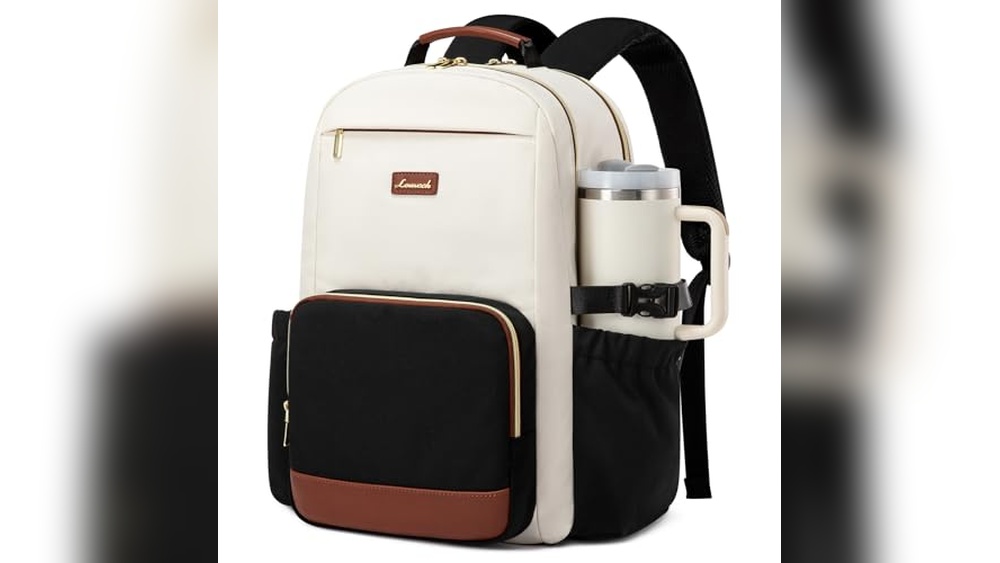
Have you ever wondered how to make the most out of your backpack when you’re deep in the forest? Your backpack isn’t just a bag—it’s your lifeline, your organizer, and your comfort zone all rolled into one.
Using it the right way can keep you safe, prepared, and stress-free as you explore. You’ll discover simple yet powerful tips to pack, carry, and use your backpack like a pro. Ready to turn your forest adventure into an unforgettable experience?
Let’s dive in!
Choosing The Right Backpack
Choosing the right backpack is key for a good forest trip. It helps carry your gear safely and keeps you comfortable. Picking the correct backpack makes hiking easier and more fun. Focus on size, material, and fit to find the best one.
Size And Capacity
Pick a backpack size based on your trip length. Small backpacks work for day hikes. Larger packs fit overnight gear and supplies. Choose enough space to hold all essentials. Avoid backpacks that are too big or too small.
Material And Durability
Strong materials protect your belongings from weather and rough use. Look for backpacks made with nylon or polyester. These materials resist water and tears. Durable backpacks last longer on forest trails. Check for reinforced seams and sturdy zippers.
Comfort And Fit
Comfort matters on long forest walks. Choose backpacks with padded shoulder straps. A padded back panel helps reduce pressure. Adjustable straps let you fit the pack to your body. A good fit stops pain and fatigue during hiking.
Packing Essentials Efficiently
Packing essentials efficiently is key to a comfortable forest trip. It saves time and keeps you prepared. A well-packed backpack helps you find items fast. It also reduces strain on your body during long hikes.
Focus on smart packing. Organize items by use and size. Balance weight evenly. Use all compartments and pockets wisely. These steps make carrying gear easier and safer.
Organizing Survival Gear
Keep survival gear in one place. Group items like first aid, fire starters, and tools together. Use small bags or pouches to separate them. This prevents losing important items in your backpack.
Put items you need often near the top. Save space by rolling clothes and compressing soft gear. This method keeps your backpack tidy and accessible.
Balancing Weight
Place heavy items close to your back and center. This balance reduces pressure on your shoulders. Keep lighter items toward the outside and top of the bag. Uneven weight can cause discomfort and injury.
Distribute weight evenly on both sides. Check and adjust your pack before starting your walk. Proper balance helps you move steadily through the forest.
Using Compartments And Pockets
Use compartments for different categories of items. Keep food, clothing, and tools separate for quick access. Pockets are great for small objects like maps and snacks.
Use waterproof bags inside compartments to protect items. Label pouches if possible. This organization saves time and reduces stress during your forest adventure.
Water And Food Storage
Storing water and food properly in your backpack is key for a safe forest trip. Carry enough supplies to keep your energy and hydration steady. Packing smart helps avoid spills and keeps food fresh. Protecting your supplies from wildlife is also important. Here are tips for water and food storage.
Hydration Solutions
Bring a sturdy water bottle or hydration bladder. Refill at clean water sources along your route. Use water purification tablets or filters to ensure water is safe. Carry enough water for your daily needs. Drink regularly to avoid dehydration.
Food Packing Tips
Choose lightweight, non-perishable foods like nuts, dried fruit, and granola bars. Use resealable bags or containers to keep food fresh and organized. Pack food in small portions for easy access. Avoid strong-smelling foods to reduce animal attraction. Plan meals to balance energy and weight.
Protecting Supplies From Wildlife
Store food in bear-proof containers or hang bags from tree branches. Keep food away from your sleeping area. Use airtight containers to block smells. Avoid leaving crumbs or food scraps around your campsite. Stay alert to wildlife signs and secure your supplies well.
Shelter And Clothing Storage
Storing shelter and clothing properly in your backpack is key for a safe forest trip. These items protect you from weather and keep you comfortable. Organizing them well saves space and makes access easy.
Packing Emergency Shelter
Choose a lightweight shelter that fits your backpack. Pack it in a waterproof bag to avoid moisture. Place it at the top or side for quick reach. This helps you set up fast during sudden weather changes.
Layering Clothes Properly
Fold clothes neatly to save space. Pack heavier layers at the bottom and lighter ones on top. Use compression sacks to reduce bulk. This keeps clothes organized and easy to find.
Keeping Gear Dry
Use dry bags or plastic liners inside your backpack. Separate wet clothes from dry ones. Avoid opening the backpack in rain or near water. Staying dry prevents discomfort and gear damage.
Navigation And Safety Tools
Carrying navigation and safety tools in your backpack is vital for a safe forest trip. These tools help you find your way and handle emergencies. Organizing them well ensures quick access when needed.
Storing Maps And Compass
Keep maps and compass in a front pocket or top compartment. This saves time when you need to check directions. Use a waterproof case to protect maps from rain. Attach the compass to a strap for easy reach.
Easy Access To First Aid
Place the first aid kit in an outer pocket for fast use. Choose a compact kit with bandages, antiseptic wipes, and pain relief. Check the kit before every trip to replace used items. Quick access can make a big difference during injuries.
Carrying Communication Devices
Store phones and radios in padded sections to avoid damage. Keep devices charged and carry extra batteries or power banks. Use waterproof covers to protect them from moisture. Communication tools help you call for help in emergencies.
Maintaining Backpack In Forest
Maintaining a backpack in the forest is important for its long life. A well-kept backpack works better and feels more comfortable. It also protects your gear from the wet and dirt.
Simple care steps keep your backpack ready for every trip. Small repairs stop big problems later. Taking care of the backpack helps you enjoy the forest more.
Cleaning And Care
Remove dirt and debris after each hike. Use a soft brush to clean outside fabric. Wipe zippers and straps with a damp cloth. Avoid harsh soaps to keep material safe. Let the backpack dry in shade, not sun. Store it in a dry, cool place between trips.
Repairing On The Trail
Carry a small repair kit with needle and thread. Fix loose straps or torn fabric quickly. Use duct tape for temporary patching. Check buckles and zippers for damage often. A quick repair stops bigger damage later. Keep repair tools easy to reach in your pack.
Preventing Wear And Tear
Pack items evenly to avoid strain on seams. Avoid dragging the backpack on rough ground. Use rain cover to protect from water and dirt. Don’t overload the backpack beyond its limit. Regularly check straps and stitching for weak spots. Gentle handling helps the backpack last longer.
Adjusting Backpack During Use
Adjusting your backpack during use is important for comfort and safety in the forest. A well-adjusted pack helps you walk longer without pain. It keeps your balance steady on uneven ground. Small changes while walking can make a big difference. Pay attention to how your backpack feels and make adjustments often.
Securing Straps
Check your straps regularly to keep the backpack snug. Tighten loose straps to avoid shifting. Loose straps can cause the pack to bounce. This puts stress on your shoulders and back. Use the chest and waist straps to stabilize the load. Secure straps prevent discomfort and improve control.
Rebalancing Load
Shift heavy items closer to your back. This keeps the center of gravity near your body. Move lighter items to the top or outside. Balance the weight evenly on both sides. Uneven load causes pain and makes walking harder. Adjust the pack to keep it steady during your hike.
Adapting To Terrain Changes
Adjust your backpack when the trail changes. Tighten straps on steep climbs to keep the pack close. Loosen straps on flat or downhill paths for comfort. On rocky or uneven ground, keep the pack stable to avoid falls. Changing terrain needs quick and easy backpack adjustments.
Frequently Asked Questions
How Do You Pack A Backpack For Forest Trips?
Start by organizing essentials like water, food, and first aid. Use compartments for easy access. Keep heavy items close to your back. Balance weight evenly to avoid strain during hikes.
What Items Are Essential In A Forest Backpack?
Include water, snacks, map, compass, first aid kit, and weather-appropriate clothing. Also pack a flashlight, insect repellent, and emergency whistle for safety.
How Should You Wear A Backpack In The Forest?
Adjust straps so the backpack fits snugly. Keep it close to your back for stability. Use waist and chest straps to distribute weight evenly and reduce fatigue.
Can Backpacks Protect Gear From Forest Weather?
Yes, waterproof backpacks or rain covers protect your gear from rain and moisture. Always pack electronics in sealed bags to prevent water damage.
Conclusion
Using a backpack in the forest helps carry your gear with ease. It keeps your hands free to move safely. Pack only what you need to stay light and comfortable. Choose a backpack that fits well and feels good on your shoulders.
Remember to check your supplies often and adjust your load if needed. A good backpack makes your forest trip safer and more fun. Stay prepared, stay safe, and enjoy every step of your adventure.