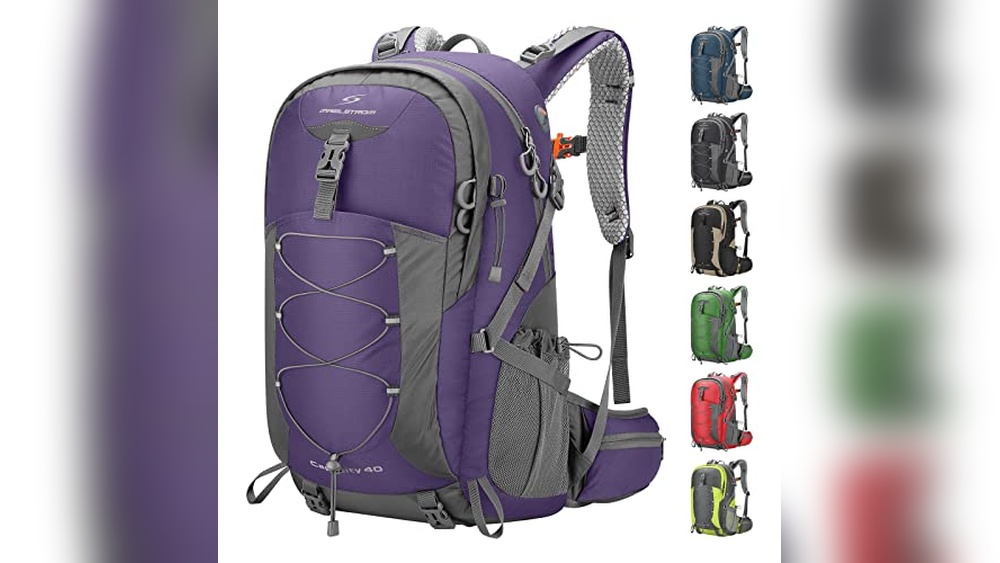
Planning an 8-day trip means packing smart, but how do you know what size backpack you really need? Choosing the right liter capacity for your backpack can make your adventure easier and more enjoyable.
Too small, and you’ll struggle to fit everything; too big, and you’ll carry unnecessary weight. This guide will help you find the perfect backpack size that fits your gear and keeps you comfortable every step of the way. Ready to pack like a pro?
Let’s dive in!
Choosing Backpack Size
Picking the right backpack size is very important for an 8-day trip. The bag should hold all your items without being too heavy or big. A well-sized backpack makes carrying easier and more comfortable. Several key points affect what size you need. Understanding these helps you choose the best pack for your adventure.
Factors Influencing Capacity
What you pack affects the backpack size. Clothes, food, and gear all take space. Weather also matters. Cold weather needs more layers and bigger bags. The weight limit counts too. You want enough space but not too heavy to carry. Think about how much you need and pack smart.
Body Type And Comfort
Your body size changes what backpack fits best. Larger people may need bigger packs with strong straps. Smaller people need packs that fit close to the body. Look for padded straps and hip belts. These help spread weight and avoid pain. Comfort helps you walk longer without trouble.
Trip Type And Activities
The kind of trip changes backpack needs. Hiking needs a pack with easy access and room for water. Camping might need space for a tent and sleeping bag. City trips need less space but good security. Think about your plans and choose a pack that fits your activities.
Recommended Liter Range
Choosing the right backpack size for an 8-day trip helps you pack smart. The liter capacity must fit your gear without being too bulky or too small. A good range balances space and weight for a comfortable journey.
This range depends on your travel style and what you plan to carry. You want enough room for clothes, food, and essentials but avoid overpacking. Below are guidelines to help you select the best size.
Minimum Capacity For 8 Days
The smallest backpack for 8 days usually holds about 50 liters. This size fits basic clothing and light gear. Ideal for travelers who pack light and plan to wash clothes.
Choosing below 50 liters risks leaving out important items. It limits space for extras like snacks or rain gear. Keep your essentials compact but complete.
Optimal Size For Versatility
A backpack between 60 and 70 liters works well for most 8-day trips. It offers enough space for clothes, gear, and personal items. This size suits most travelers and types of trips.
It allows packing layers for weather changes and some extra supplies. You stay flexible for different activities and conditions. This size is a popular choice among hikers and campers.
When To Go Larger Or Smaller
Choose larger packs over 70 liters if you carry bulky gear. This includes winter clothing, camping equipment, or group supplies. Larger backpacks provide more space but weigh more.
Pick smaller packs under 50 liters for quick trips or minimalist travel. Good for those who carry only essentials and plan to buy supplies on the way. Adjust size based on your trip needs and habits.
Packing Essentials
Packing for an 8-day trip needs careful planning. Choosing the right items saves space and weight. Focus on essentials that you will truly use. This helps keep your backpack light and easy to carry. Here are key categories to consider when packing.
Clothing And Footwear
Pack versatile clothes that mix and match well. Choose lightweight fabrics that dry quickly. Include enough underwear and socks for eight days. Bring one or two layers for warmth. Select comfortable shoes suitable for your activities. Limit yourself to two pairs: one for walking, one for relaxing. Avoid heavy or bulky items. Roll clothes to save space and reduce wrinkles.
Toiletries And Personal Items
Keep toiletries minimal and travel-sized. Use reusable containers for liquids to save weight. Pack only essentials like toothbrush, toothpaste, and deodorant. Include sunscreen and insect repellent if needed. Bring any personal medication and small first aid items. Avoid carrying full bottles of shampoo or lotion. A small towel and wet wipes can also be handy.
Electronics And Accessories
Choose lightweight and multipurpose electronics. Bring a phone with charger and headphones. A power bank helps keep devices charged on the go. Consider a small camera if you want better photos. Pack any necessary adapters and cables neatly. Keep important documents in a secure, easy-to-reach pouch. Avoid overpacking gadgets that add extra weight.
Space Saving Tips
Packing for an 8-day trip can be tricky. Saving space helps carry more essentials. Smart packing avoids bulky bags and heavy loads. Use these tips to fit everything in your backpack. Small changes make a big difference.
Rolling Vs Folding Clothes
Rolling clothes saves more space than folding. Rolled clothes fit tightly and take less room. They also reduce wrinkles on fabric. Folded clothes often create gaps and bulk. Roll items like shirts, pants, and socks.
Using Compression Bags
Compression bags shrink the size of soft items. Put clothes inside and press the air out. This makes the bundle smaller and easier to pack. Great for bulky sweaters and jackets. They keep clothes organized and dry, too.
Selecting Multi-use Items
Choose clothes that work for many occasions. A jacket that works for rain and cold. Shoes that fit both walking and casual events. Multi-use items cut down the number of things packed. Less stuff means more space in your backpack.
Weight Distribution
Weight distribution plays a key role in hiking with an 8-day backpack. Proper load balance reduces strain on your back and shoulders. It helps keep your body stable on uneven trails. Carrying weight the right way improves comfort and prevents injuries. Knowing how to place items inside your backpack makes a big difference.
Packing Heavy Items Close
Place heavy items near your back, close to the spine. This keeps your center of gravity stable. Avoid putting heavy gear at the bottom or far away from your body. It helps reduce stress on your lower back. Keep bulky, heavy items near the middle of the pack. This method improves balance and control during your hike.
Balancing Load For Comfort
Distribute weight evenly from side to side. Uneven weight makes you lean and causes pain. Pack similar weight items on each side of the backpack. Small items can fill gaps to keep the load steady. Balance prevents muscle fatigue and keeps you comfortable all day. A well-balanced pack feels lighter on your body.
Adjusting Straps Properly
Tighten shoulder straps to hold the load close. Use hip belts to transfer weight to your hips. Adjust sternum straps to stabilize the pack and reduce bouncing. Proper strap adjustment stops the pack from swaying. It helps you walk steadily and reduces shoulder pain. Check and readjust straps during breaks for better fit.
Special Considerations
Packing for an 8-day trip needs more than just clothes and a tent. Special things need attention to make your backpack just right. These details can change how much space you need and what you bring.
Seasonal Gear Adjustments
Different seasons need different gear. Cold weather means heavier clothes and a thick sleeping bag. Hot weather calls for light clothes and sun protection. Rainy seasons require waterproof items. Adjust your backpack size to fit these needs. Pack smart to stay comfortable and safe.
Food And Water Storage
Food and water take up a lot of space. Plan meals that are light and easy to carry. Use containers that save space and keep food fresh. Carry enough water or a way to clean water. This helps avoid carrying too much weight. Proper storage stops food from spoiling.
Emergency And Safety Items
Always carry safety gear. A first aid kit, flashlight, and a whistle are must-haves. Pack a map and a compass for navigation. These items do not take much space but are very important. They keep you ready for unexpected situations.
Frequently Asked Questions
How Many Liters Backpack For 8 Days Trip?
For an 8-day trip, a 50 to 70-liter backpack is ideal. It offers enough space for clothes, gear, and essentials without being too bulky. Choose based on your packing style and trip type.
Can I Use A 40-liter Backpack For 8 Days?
A 40-liter backpack may be too small for 8 days unless you pack very light. It’s better suited for shorter trips or minimalist travelers. Consider a larger size for comfort and convenience.
What Factors Affect Backpack Size For 8 Days?
Trip type, weather, gear, and personal packing habits affect backpack size. More gear or colder weather requires bigger packs. Always plan for extra space for souvenirs or unexpected items.
Should I Carry Extra Space For 8-day Backpack?
Yes, carrying extra space in your backpack is wise. It helps accommodate additional items or souvenirs. A 60-70 liter backpack usually provides enough room for flexibility.
Conclusion
Choosing the right backpack size makes your trip easier and more fun. A 40 to 50-liter backpack usually fits an 8-day trip well. It holds clothes, gear, and essentials without feeling heavy. Pack smartly to save space and stay organized.
Remember, comfort matters—try the backpack before your trip. Travel light, travel happy.