Planning a backpacking trip across Europe? One of the biggest questions on your mind is probably: how much will it actually cost?
Knowing the answer can help you prepare the right budget and avoid surprises along the way. Whether you’re dreaming of cozy hostels, tasty street food, or exploring famous landmarks, your spending choices will shape your experience. You’ll discover clear, practical estimates and tips that make budgeting for your European adventure simple and stress-free.
Keep reading to find out how to make the most of your money while seeing the best Europe has to offer.
Daily Expenses Breakdown
Understanding daily expenses helps plan a budget for backpacking Europe. Costs vary by country and city. Knowing typical spending makes your trip easier and less stressful.
Here is a detailed look at common daily expenses you will face on your journey.
Accommodation Costs
Hostels are the cheapest option, costing around 15 to 40 euros per night. Budget hotels and guesthouses cost more, from 40 to 80 euros. Booking in advance can save money. Sharing rooms lowers costs. Camping is another low-cost choice in some areas.
Food And Drinks
Eating street food or cooking saves money. Expect to spend 10 to 20 euros a day on food. Grocery stores offer fresh and cheap options. Dining out in restaurants costs more, about 15 to 30 euros per meal. Tap water is free, so carry a bottle.
Transportation Expenses
Public transport is affordable and efficient. A bus or metro ticket costs 1 to 3 euros. Trains between cities vary from 10 to 60 euros. Booking early gives better prices. Walking and biking are free ways to explore cities.
Sightseeing And Activities
Many museums and attractions charge entry fees from 5 to 20 euros. Some places offer free entry on certain days. Guided tours cost more, around 20 to 50 euros. Nature and outdoor activities often have little or no fees.
Miscellaneous Spending
Extras include laundry, toiletries, and phone data. Budget about 5 to 10 euros daily for these. Small souvenirs or snacks add up. Keep track of small costs to stay on budget.
Budgeting By Region
Backpacking across Europe means different costs depending on the region. Budgeting by region helps plan your trip better. Each area has its own price range for food, lodging, and transport. Knowing these can save you money and stress.
Western Europe
Western Europe is known for higher prices. Countries like France, Germany, and the UK have expensive cities. Hostels cost around €25 to €50 per night. Food and drinks are pricier too. Public transport is reliable but can add up. Budget at least €50 to €70 daily here.
Eastern Europe
Eastern Europe offers cheaper options for backpackers. Countries such as Poland, Hungary, and Romania have low costs. Hostels can be as low as €10 to €20 per night. Street food and local markets keep food costs down. Transport is affordable and easy to use. Expect to spend around €20 to €40 daily.
Northern Europe
Northern Europe is among the most expensive regions. Norway, Sweden, and Finland have high living costs. Hostels usually start at €40 per night. Eating out is costly. Public transport is efficient but not cheap. Daily budgets should be at least €60 to €80 here.
Southern Europe
Southern Europe offers moderate costs with great weather. Spain, Italy, and Greece have affordable hostels and meals. Hostels range from €15 to €35 per night. Local food is tasty and budget-friendly. Transport costs vary but stay reasonable. Plan for €30 to €50 daily in this region.
Money-saving Tips
Backpacking across Europe can be affordable with smart money-saving tips. You can enjoy the trip without spending too much. Simple choices make a big difference in your budget. Here are some practical ideas to help you save money on your journey.
Affordable Accommodation Options
Hostels are a popular choice for budget travelers. They offer beds at low prices and a chance to meet other backpackers. Consider staying in guesthouses or budget hotels for privacy without high costs. Booking rooms in advance can secure better rates. Couchsurfing lets you stay with locals for free. Camping is another cheap way to sleep under the stars.
Eating On A Budget
Street food and local markets offer tasty meals at low prices. Buy fresh ingredients and prepare your own food if you have access to a kitchen. Avoid eating near tourist spots as prices tend to be higher. Look for daily menus or special deals at small cafes. Drinking tap water saves money and reduces plastic waste.
Cheap Transport Alternatives
Walking and cycling are free and healthy ways to explore cities. Use regional trains and buses instead of expensive high-speed trains. Booking tickets early often gets you the best price. Night buses and trains save on accommodation costs. Ride-sharing apps and carpooling can be cheaper than taxis.
Free And Low-cost Attractions
Many museums and galleries offer free entry on certain days. Public parks, city squares, and hiking trails cost nothing to visit. Walking tours guided by volunteers provide great insights at no charge. Check local event calendars for free concerts and festivals. Small towns often have charming sights without entrance fees.
Backpacking Gear Costs
Backpacking across Europe needs the right gear. Good gear keeps you safe and comfortable.
Costs for gear vary a lot. You can spend little or invest in high-quality items.
Planning your gear budget helps avoid surprises. It also makes packing easier.
Essential Gear To Pack
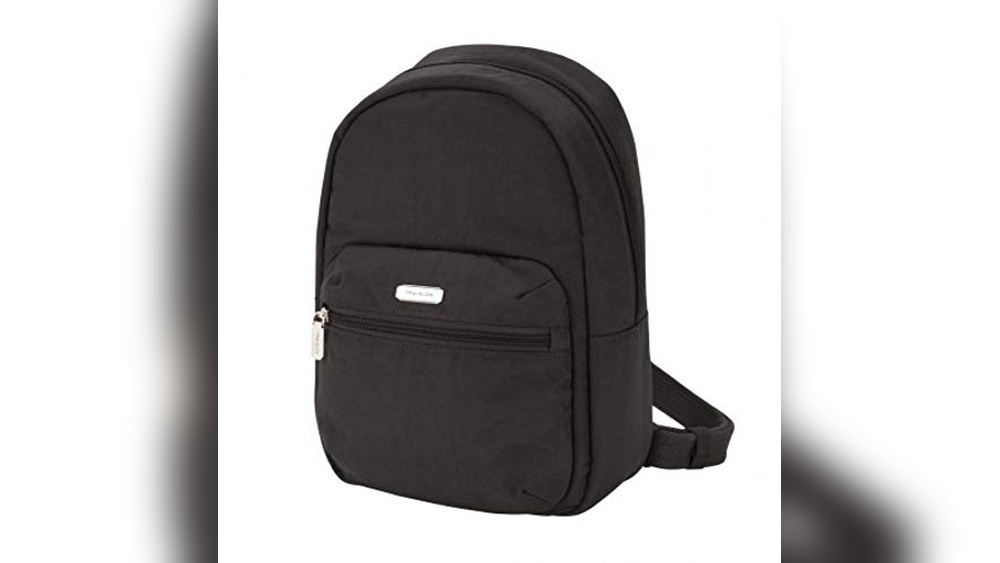
Start with a strong backpack. It should fit your body well.
Choose comfortable shoes for walking long distances. Durable and light is best.
Pack weather-appropriate clothes. Layers work well for changing weather.
Don’t forget a sleeping bag if you camp. A compact one saves space.
Bring a reusable water bottle. Staying hydrated is important.
Small items like a travel towel and a first aid kit are useful.
Gear Investment Vs. Budget Options
High-end gear lasts longer and performs better. It can cost more upfront.
Budget gear is cheaper but may wear out fast. It suits short trips.
Balance quality and price. Buy key items like shoes and backpacks wisely.
Look for sales or secondhand gear to save money.
Renting some gear is an option for rare-use items.
Good gear means less hassle and more fun during your trip.
Sample Itineraries And Budgets
Planning a backpacking trip to Europe can feel overwhelming. Costs vary widely depending on your style and time. Sample itineraries help you see what to expect. Budgets give a clear idea of daily expenses. This section shares three common travel plans and their budgets.
Two-week Budget Trip
Two weeks in Europe on a budget focuses on a few key cities. Expect to spend about $50 to $70 per day. Stay in hostels or budget hotels. Eat street food and cook simple meals. Use buses and budget trains for travel. Visit free or low-cost attractions. This plan fits travelers who want a quick, affordable taste of Europe.
One-month Moderate Budget
One month allows more comfort and travel variety. Budget rises to $80 to $120 per day. Choose mixed accommodation—hostels, guesthouses, and budget hotels. Dine at local cafes and occasional restaurants. Use trains and low-cost airlines for longer trips. Include paid tours and museums. This itinerary suits travelers who want balance between cost and comfort.
Extended Backpacking On A Tight Budget
Backpacking for several months with little money is possible. Daily budget can be as low as $30 to $50. Focus on Eastern Europe and less touristy spots. Stay in dorm rooms, campsites, or with locals. Cook your own meals and shop at markets. Walk or use cheap public transport. This plan works for travelers who want long trips and save money.
Emergency Funds And Extra Costs
When backpacking across Europe, setting aside emergency funds is crucial. Travel plans can change suddenly. Costs might rise unexpectedly. Having extra money helps you face surprises without stress.
Unexpected Expenses
Unexpected expenses can happen anytime. Lost wallets, sudden transport changes, or last-minute accommodation shifts cost extra. Medical emergencies can also lead to high bills. Carry extra cash or keep a backup card. This helps avoid trouble in tough moments.
Travel Insurance Importance
Travel insurance protects your money and health. It covers accidents, theft, or trip cancellations. Without it, emergency costs can drain your budget fast. Choose a plan that fits your trip length and activities. Insurance brings peace of mind and financial safety during your adventure.
Frequently Asked Questions
How Much Does Daily Backpacking In Europe Cost?
Daily backpacking costs in Europe vary from $40 to $100. Budget travelers spend less on food and hostels. Major cities tend to be more expensive. Planning and choosing affordable options help manage costs effectively.
What Are The Biggest Expenses While Backpacking Europe?
Accommodation, transportation, and food are the biggest expenses. Hostels and budget hotels reduce lodging costs. Using trains and buses saves on travel. Cooking meals or eating street food cuts food expenses significantly.
How Can I Save Money Backpacking In Europe?
Book hostels and transport in advance to save money. Use discount cards and city passes for attractions. Travel off-season for lower prices. Limit dining out and opt for groceries or street food to save more.
Is Backpacking Europe Expensive Compared To Other Continents?
Europe is moderately priced compared to Asia and South America. Western Europe is costlier than Eastern Europe. Budget travelers find affordable options by avoiding peak seasons. Europe offers a balance of cost and experience.
Conclusion
Backpacking across Europe costs can vary a lot. It depends on where you go and how you travel. You can save money by staying in hostels or cooking your meals. Planning ahead helps avoid extra expenses. Travel during off-peak seasons for better deals.
Keep track of your daily spending to stay on budget. Remember, budget travel lets you see more without stress. Start your adventure with a clear plan and enjoy every moment. Europe is ready for your journey—affordable and full of surprises.