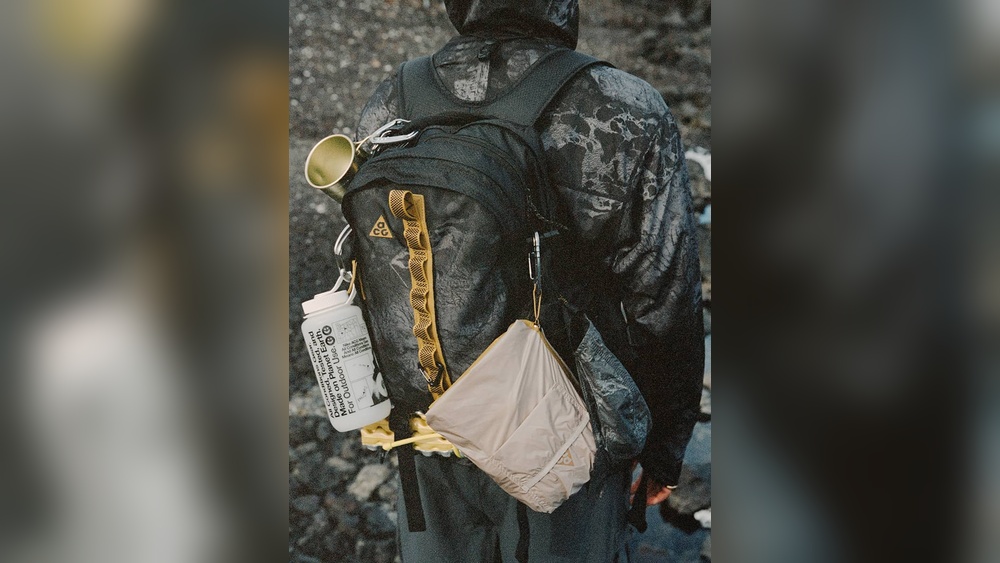
Have you ever felt your backpack dragging you down before you even hit the trail? Knowing how heavy your backpacking pack should be can make all the difference between an enjoyable adventure and a tiring struggle.
Too heavy, and you risk fatigue and injury. Too light, and you might leave behind essentials that keep you safe and comfortable. You’ll discover the perfect balance to pack smart, hike strong, and make every step easier. Keep reading to learn how to find the ideal pack weight tailored just for you.
Ideal Pack Weight
Choosing the right weight for your backpack is key to a good trip. Too heavy can tire you out quickly. Too light might mean missing important gear. Finding the ideal pack weight helps keep you safe and comfortable.
It depends on your body, trip length, and terrain. Knowing the right limits can make your hike easier. Let’s explore how to decide the best pack weight.
Percentage Of Body Weight
Most experts suggest carrying no more than 20 to 25 percent of your body weight. For example, if you weigh 150 pounds, your pack should weigh about 30 to 37 pounds. This range helps prevent strain and injury during long walks.
Some hikers carry even less, around 10 to 15 percent. This lighter load feels easier and allows faster movement. Beginners should start with lower weights and increase slowly as they build strength.
Factors Affecting Weight Limits
Your fitness level affects how much weight you can carry. Stronger hikers can handle heavier packs. Age also matters; younger people often carry more easily than older adults.
Weather plays a role too. Cold conditions need extra clothing and gear, adding weight. Hot weather may require less clothing but more water, which also weighs down your pack.
Trip duration changes what you carry. Longer hikes need more food and supplies. Terrain difficulty matters as well. Steep or rough trails make carrying heavy loads harder.
Lightweight Backpacking Benefits
Choosing a lightweight backpack for your trip makes a big difference. It helps you move faster and enjoy your hike more. Carrying less weight means less strain on your body. This leads to more fun and longer adventures. Here are some key benefits of a lightweight backpack.
Improved Mobility
A lighter pack lets you walk with ease. It is easier to climb steep hills and cross rough paths. You can change direction quickly without losing balance. This helps you stay safe and confident on the trail. Moving freely makes hiking more enjoyable and less stressful.
Reduced Fatigue
Heavy backpacks tire your muscles quickly. A light pack lowers the load on your shoulders and back. Your body uses less energy, so you feel less tired. This means fewer breaks and more time exploring. You can also avoid aches and pains during your trip.
Better Endurance
Carrying less weight helps you walk longer distances. You can keep a steady pace without losing strength. This improves your overall stamina and fitness. Better endurance allows you to reach your goals faster. It also makes multi-day trips more comfortable and fun.
Essential Gear Weight Breakdown
Understanding the weight of your backpacking pack is key for a comfortable trip. Breaking down essential gear helps balance weight and safety. Focus on each category to pack smartly. Carry what you need without extra burden. Here is a simple guide to the main gear groups and their typical weights.
Shelter And Sleep System
These items form the largest part of your pack’s weight. A tent, tarp, or hammock protects you from weather. Sleeping bags or quilts keep you warm at night. Sleeping pads add comfort and insulation. Choose lightweight options to save pounds. Expect this system to weigh about 40-50% of your pack.
Clothing
Clothing weight depends on weather and trip length. Pack layers for warmth and rain protection. Include a base layer, insulating layer, and rain jacket. Avoid overpacking to keep weight down. Clothing usually makes up around 15-20% of your pack weight.
Food And Water
Food weight varies by trip duration and calorie needs. Plan meals that are light and nutritious. Water weight can be heavy but is essential. Carry a water filter or purifier to refill safely. Food and water combined often make up 20-30% of your pack weight.
Tools And Accessories
Tools include knives, stoves, and cooking gear. Accessories cover maps, first aid, and lighting. These items add convenience and safety. Keep them minimal and multi-purpose. Aim for tools and accessories to be about 10-15% of your total pack weight.
Techniques To Reduce Pack Weight
Reducing the weight of your backpack makes hiking easier and more fun. Carrying less helps you move faster and saves energy. Simple steps can cut down your pack weight without losing what you need. Focus on smart choices and careful planning.
Use these techniques to lighten your load and enjoy your trip more.
Choosing Ultralight Gear
Select gear made from light materials. Ultralight tents, sleeping bags, and cookware can save pounds. Look for items designed for backpackers, not campers. Every ounce counts. Replace heavy tools with lighter versions. Carry only essential items. This small change reduces strain on your back and shoulders.
Minimizing Food And Water Loads
Bring just enough food for your trip. Choose dehydrated meals and snacks with high calories. They weigh less and last longer. Carry a water filter or purifier instead of heavy water bottles. Refill from streams or lakes. This cuts down on the water weight you must carry. Plan your meals carefully to avoid extra weight.
Packing Smartly
Organize your pack to spread the weight evenly. Keep heavy items close to your back and near your shoulders. Use compression sacks to shrink bulky gear. Avoid packing duplicates or unnecessary clothes. Check your list twice. Pack only what you need for the weather and trip length. Smart packing makes your load feel lighter and more balanced.
Adjusting Pack Weight For Trip Type
Adjusting the weight of your backpack depends on the type of trip you plan. Different trips need different gear and supplies. This affects how much your pack should weigh. Carrying too much or too little can change your experience on the trail. Finding the right balance helps you stay comfortable and safe.
Short Vs Long Trips
Short trips usually last one to three days. You can carry less food and fewer clothes. Your pack weight should be lighter, around 15 to 20 pounds. This helps you move faster and enjoy the hike.
Long trips last several days or weeks. You need more gear for sleeping, cooking, and emergencies. Your pack will weigh more, often between 25 to 35 pounds. Plan carefully to avoid carrying extra weight that slows you down.
Weather And Terrain Considerations
Cold or wet weather means carrying extra clothing and rain gear. This adds weight but keeps you safe and dry. Warm weather needs less clothing but more water and sun protection.
Steep or rough terrain requires lighter packs. Heavy packs make climbing and balancing harder. Flat and easy trails allow for slightly heavier loads. Always think about the trail conditions before packing.
Common Mistakes In Pack Weight
Choosing the right weight for a backpacking pack is important for a safe and enjoyable trip. Many hikers make common mistakes that lead to carrying too much weight. These errors can cause pain, slow down your pace, and increase the risk of injury. Understanding these mistakes helps you pack smarter and hike easier.
Overpacking
Overpacking is a frequent error among backpackers. Carrying extra gear that you do not need adds unnecessary weight. Many people bring items “just in case,” but most of these never get used. The heavier your pack, the harder the hike becomes. Focus on essentials only. Choose lightweight gear and avoid duplicates. Packing less makes your journey more comfortable and fun.
Ignoring Personal Limits
Ignoring your own strength and endurance leads to trouble. Every hiker has a limit on how much weight they can carry comfortably. Some try to match others or follow general rules without thinking about their body. This causes fatigue and pain. Listen to your body and test your pack before the trip. Adjust the weight to suit your fitness level. Carrying too much can ruin the experience and cause injuries.
Tools To Measure And Manage Pack Weight
Managing your backpack weight is key for a comfortable hike. Using simple tools helps you keep track. These tools show what to carry and what to leave behind. They make packing smart and light.
Using Scales
Scales give you exact weight of your pack and gear. A small digital scale is easy to carry and use. Hang your pack on the scale hook and read the number. This method helps avoid surprises on the trail. Check weights after packing and after adding food or water.
Tracking Weight Changes
Keep a log of your pack weight over time. Write down changes after each trip or packing session. This helps spot heavy items or weight creep. Use a notebook or a simple app on your phone. Tracking weight changes guides smart decisions for lighter gear.
Frequently Asked Questions
How Heavy Should A Backpacking Pack Be?
A backpacking pack should weigh about 20-25% of your body weight. This balance ensures comfort and ease during long hikes. Carrying too much weight can cause fatigue and injury. Lighter packs improve mobility and endurance on the trail.
What Factors Affect Backpack Weight For Hiking?
Backpack weight depends on trip length, weather, and terrain difficulty. Essential gear, food, and water also impact pack weight. Packing lightweight items and minimizing extras helps reduce overall load. Tailoring your pack contents to your trip ensures optimal weight.
Can A Heavier Pack Cause Hiking Injuries?
Yes, carrying a heavy pack can strain muscles and joints. It increases the risk of back pain, blisters, and fatigue. Proper pack fitting and weight distribution reduce injury chances. Always aim for a manageable pack weight to stay safe on trails.
How To Reduce Backpack Weight Effectively?
To reduce pack weight, choose lightweight gear and multi-use items. Limit food and water to necessary amounts only. Remove non-essential items and pack efficiently. Regularly review your gear list to eliminate unnecessary weight.
Conclusion
Choosing the right backpack weight keeps your trip safe and fun. Carry only what you need. Lighter loads help you walk longer and feel better. Think about your strength and trip length. Test your pack before you leave. Adjust items to find the best balance.
A good pack weight means less pain and more adventure. Take care of your body by packing smart. Enjoy your journey with comfort and ease.