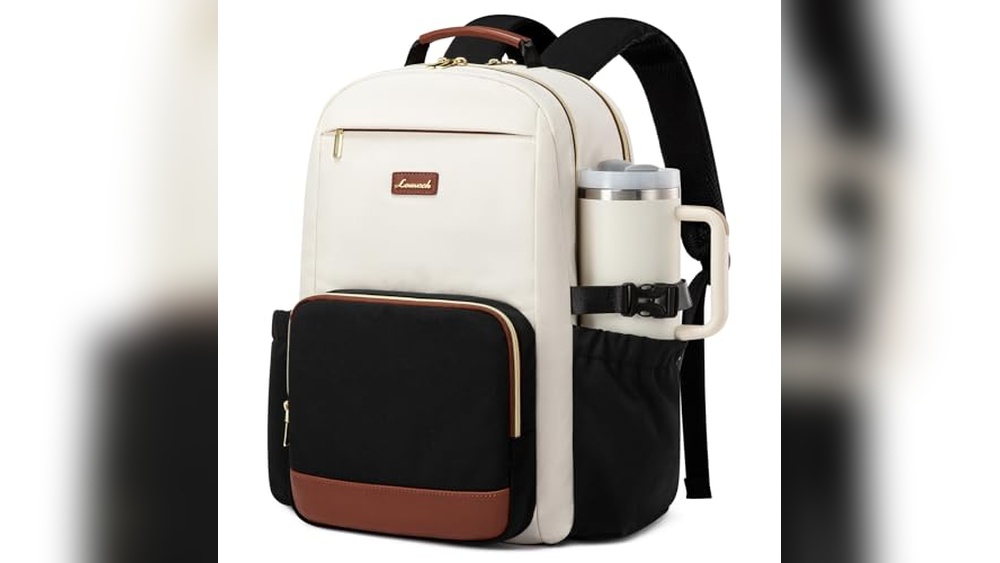
Have you ever wondered just how often shoplifters use purses or backpacks to hide stolen items? You might be surprised to learn how common this tactic really is.
Understanding the role these everyday accessories play in theft can help you stay more alert and protect your belongings. Keep reading to uncover the facts behind shoplifting with purses and backpacks—and discover what you can do to stay one step ahead.
Shoplifting Methods
Shoplifters use many tricks to hide stolen items. Understanding these methods helps stores improve security. Many thieves rely on everyday items to conceal goods. Purses and backpacks are popular tools in shoplifting. They offer space and cover to hide products quickly.
Common Concealment Tools
Thieves often use bags, clothing, and boxes to hide items. Large coats can cover stolen goods easily. Shopping bags help carry stolen items out without suspicion. Empty boxes sometimes hide products inside. These tools make detection harder for store staff.
Role Of Purses And Backpacks
Purses and backpacks provide ample space for stolen goods. They allow quick hiding and easy carrying. Many shoplifters prefer backpacks due to size and compartments. Purses are used for smaller items like cosmetics or jewelry. These bags blend in with daily life, reducing suspicion.
Shoplifters often move calmly to avoid attention. Using purses and backpacks helps them act normal. Security measures must focus on these common concealment tools. Awareness of these methods can reduce theft in stores.
Statistical Insights
Shoplifting is a common problem in many stores. Understanding how often thieves use bags helps businesses improve security. Bags like purses and backpacks are popular tools for shoplifters. This section looks at numbers and facts about this issue.
Percentage Involving Bags
Studies show about 40% of shoplifting cases involve a purse or backpack. Thieves use these bags to hide stolen items quickly. Bags offer easy ways to carry multiple items without drawing attention. This makes them a favorite choice for many shoplifters.
Comparison With Other Methods
Shoplifters also use pockets, clothing, or strollers to steal. Compared to bags, pockets are used in about 30% of cases. Clothing is involved in 20%, while strollers and carts make up 10%. Bags remain the most common method due to their size and convenience.
Demographics Behind The Trend
Shoplifting with a purse or backpack is common in many stores. Understanding who is involved helps stores improve security. Different groups show different patterns in shoplifting using these items.
Knowing the demographics gives clues about why certain groups choose purses or backpacks. This knowledge helps prevent theft more effectively.
Age Groups Involved
Teenagers are often caught shoplifting with backpacks. They use backpacks to hide stolen goods easily. Young adults also appear in many reports. Some adults in their 30s and 40s use purses for shoplifting. Older adults are less common in these cases. Age shows clear trends in how people use bags to steal.
Gender Patterns
Women more often use purses for shoplifting. Purses allow easy access and concealment. Men tend to use backpacks or larger bags. Both genders use bags that fit their style and habits. This pattern helps stores watch for suspicious behavior. Gender influences the choice of bag in shoplifting cases.
Retail Impact
Shoplifting with purses or backpacks causes serious problems for retailers. These items make it easier for thieves to hide stolen goods. This leads to more losses for stores. Retailers must spend extra money on security and prevention. The overall cost affects prices and store operations.
Many stores see a rise in theft because bags help shoplifters carry more items. This forces retailers to rethink their security plans. The impact goes beyond money. It also affects staff and customer experience.
Losses Attributed To Bag Use
Purses and backpacks account for a large part of shoplifting losses. Thieves use them to conceal many items at once. This makes it hard for staff to spot theft quickly. Some reports show that bag-related theft can be 30% or more of total losses.
Stores lose millions yearly because of theft involving bags. This loss hits small and large stores alike. It forces stores to increase prices or cut costs in other areas. The financial impact is significant and ongoing.
Store Security Responses
Stores have improved security to fight bag theft. Many use cameras focused on entrances and aisles. Staff receive special training to watch bag use closely. Some stores limit the size or number of bags allowed inside.
Security guards are now more alert to suspicious behavior around bags. Some stores use electronic tags and bag checks at exits. These actions help reduce theft but can affect the shopping experience. Retailers balance security and customer comfort carefully.
Prevention Strategies
Preventing shoplifting with purses or backpacks requires clear and practical strategies. Stores must act smartly to reduce theft risks. These strategies help keep items safe and build trust with customers.
Bag Checks And Policies
Many stores use bag checks to prevent theft. Staff ask customers to show their bags at the exit. This method stops stolen goods from leaving the store. Clear policies about bag checks make customers aware of rules. Signs at store entrances inform shoppers about these rules. Staff training ensures checks are respectful and smooth. This approach reduces chances for shoplifters to hide items in bags.
Technological Measures
Technology plays a big role in theft prevention. Security cameras monitor customers and deter theft attempts. Electronic article surveillance (EAS) tags alert staff if items leave without payment. Some stores use smart sensors on bags to track movements. AI-powered systems can spot suspicious behavior near entrances. These tools help catch shoplifters quickly. Investing in technology improves overall store security without disturbing honest customers.
Legal Consequences
Shoplifting with a purse or backpack has serious legal consequences. Law enforcement and courts treat these cases with strict penalties. The law aims to discourage theft and protect businesses.
Penalties can vary depending on the item’s value and the thief’s history. Even small thefts can lead to heavy fines or jail time. Understanding these consequences helps people avoid trouble.
Penalties For Bag-related Theft
Theft involving a purse or backpack often counts as shoplifting or petty theft. Penalties include fines, community service, or probation. Repeat offenders face harsher punishments like jail sentences.
Some states increase penalties if the stolen goods exceed a certain value. Store owners may press charges to recover losses. Courts may order restitution, forcing thieves to pay back the stolen amount.
Case Studies
In one case, a teenager caught stealing with a backpack received probation and community service. The court emphasized the need for rehabilitation over punishment. The offender avoided jail but had a criminal record.
Another case involved a repeat offender using a large purse. The court sentenced the person to six months in jail. The theft involved expensive electronics, increasing the crime’s severity.
These examples show the range of outcomes for bag-related theft. Courts balance the crime’s seriousness with the offender’s background. Shoplifters should understand these risks before committing theft.
Frequently Asked Questions
How Common Is Shoplifting Using Purses Or Backpacks?
Shoplifting with purses or backpacks is fairly common due to their ease of concealment. Thieves often exploit these items to hide stolen goods quickly and discreetly in crowded stores.
Why Are Purses And Backpacks Targeted For Shoplifting?
Purses and backpacks provide ample space and concealment, making them ideal for concealing stolen merchandise. Their portability and frequent presence in stores make them attractive tools for shoplifters.
What Types Of Items Are Stolen Using Purses Or Backpacks?
Small, high-value items like cosmetics, electronics, and accessories are commonly stolen. Shoplifters favor items that easily fit into purses or backpacks without attracting attention.
How Can Stores Prevent Shoplifting With Purses Or Backpacks?
Stores can use surveillance cameras, employee vigilance, and bag checks at exits. Clear store policies and awareness help deter shoplifting involving purses and backpacks.
Conclusion
Shoplifting with purses and backpacks remains a common issue in stores. These items help thieves hide stolen goods quickly. Store owners and shoppers must stay alert and watch for suspicious behavior. Simple steps can reduce theft risks. Being aware and cautious protects everyone’s property.
Small actions make a big difference in stopping theft. Staying informed helps create safer shopping spaces for all.