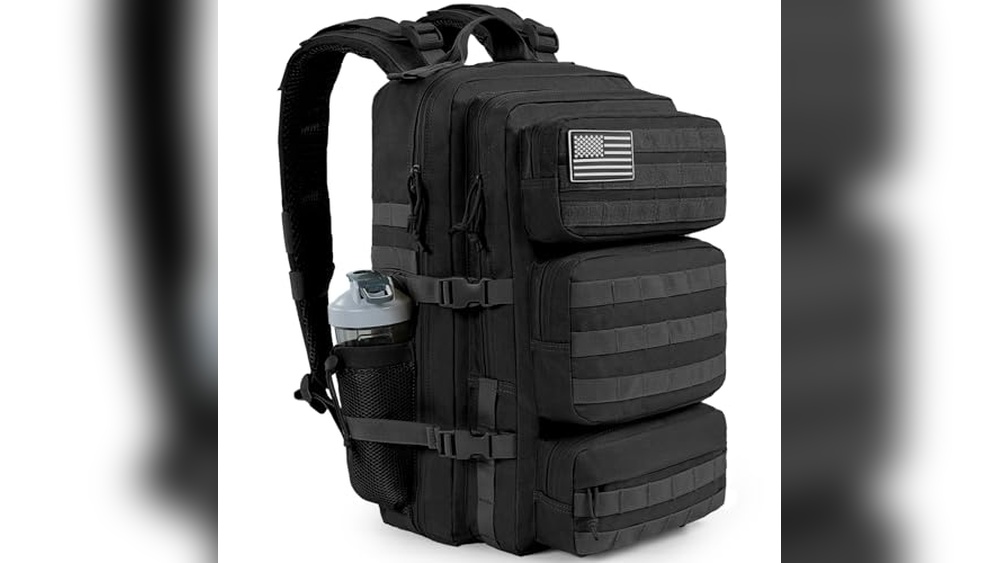
Do you love decorating your backpack with pins that show your style and personality? But have you ever worried about losing them or having them damaged?
Protecting your pins isn’t just about keeping them safe—it’s about preserving the memories and meaning behind each one. You’ll discover simple and effective ways to keep your pins secure and looking great every day. Ready to make sure your favorite pins stay right where they belong?
Let’s dive in!
Choosing Durable Pins
Choosing durable pins helps keep your backpack looking great. Pins made with strong materials last longer and resist damage. Picking pins with secure backings prevents them from falling off. These choices protect your pins and your style.
Materials That Last
Look for pins made of metal or hard plastic. Metal pins resist bending and breaking easily. Hard plastic pins handle drops and rough use well. Avoid cheap materials that chip or crack fast. Durable materials keep pins vibrant and intact.
Secure Backings
Check the pin’s backing before buying. Rubber clutches or locking clasps hold pins tightly. Simple butterfly clasps can loosen over time. Secure backings stop pins from slipping off your backpack. Choose pins with strong, reliable fasteners for safety.
Proper Pin Placement
Placing pins properly on your backpack helps keep them safe and looking good. It also stops damage to both the pins and the bag. Knowing the right spots to put your pins makes a big difference in their lifespan.
Good pin placement keeps your backpack neat and comfortable to carry. It also helps the pins stay firmly attached and prevents loss. Here are some easy tips on where to place pins for the best protection.
Avoiding Wear And Tear
Place pins on thick fabric areas to avoid damage. Thin or worn spots can tear easily around pins. Avoid placing pins near zippers or edges where fabric bends a lot. These spots cause stress on pin backs and may break them.
Choose flat surfaces to keep pins steady. Wrinkled or uneven areas can loosen pin backs. This leads to pins falling off or bending. Look for sturdy parts like backpack straps or main panels for strong support.
Balancing Weight
Spread pins evenly across your backpack. Grouping many pins in one place can pull fabric too hard. This causes stretching or holes over time. Balanced pin placement helps keep your bag’s shape intact.
Mix light and heavy pins carefully. Heavy pins need extra support and should go on thicker areas. Light pins can fill in smaller spaces. Balance stops the bag from leaning or feeling uneven on your back.
Using Protective Covers
Using protective covers is a smart way to keep your pins safe on your backpack. These covers stop pins from scratching surfaces or falling off. They also help keep your pins looking new for longer. Protective covers come in many forms and can suit different pin types and sizes.
Pin Caps And Shields
Pin caps and shields fit over the sharp ends of your pins. They stop the pins from poking or scratching anything. These caps are small and easy to use. Most pin caps are made of soft plastic or rubber. They fit tightly, so pins stay secure. Shields are hard covers that protect the whole pin back. They add extra safety, especially if you carry many pins.
Diy Protection Ideas
You can make your own protective covers at home. Use small pieces of cork, foam, or felt to cover pin backs. Cut the material to fit snugly around the pin. Glue or tape can help keep covers in place. Another idea is using old erasers or rubber bands. These stop pins from moving and protect your backpack fabric. DIY covers are cheap and easy to replace.
Regular Maintenance
Regular maintenance helps keep your pins safe and looking good. It stops dirt and damage from making pins lose their shine. A little care goes a long way in making your pins last longer on your backpack.
Cleaning Your Pins
Clean pins gently with a soft cloth. Avoid harsh chemicals that can ruin the finish. Use mild soap and water for tough dirt. Dry pins completely to stop rust or damage. Clean pins often to keep them bright and fresh.
Checking For Damage
Look at pins closely for scratches or bent parts. Check the backings to see if they hold tight. Replace any weak or broken parts quickly. Fix small problems before they get worse. Regular checks protect your pins from falling off or breaking.
Safe Storage Tips
Protecting your pins on your backpack keeps them safe and looking good. Proper storage helps avoid damage and loss. Follow these tips to keep your pins organized and secure.
Removing Pins When Not In Use
Take off pins if you won’t use your backpack for a while. This prevents scratches and rust from moisture. Store pins in a dry place to keep them safe.
Removing pins also stops them from catching on clothes or other items. It lowers the risk of pins bending or breaking.
Organizing Your Collection
Use a small box or a pin board to keep your pins neat. Organize them by size, color, or theme. This makes it easy to find the pin you want.
Keep pins separated so they don’t scratch each other. Soft fabric or foam inside the box works well. Proper organization saves time and protects your pins.
Travel Safety Measures
Travel safety measures help keep your pins safe during trips. Pins on backpacks can fall off or get lost easily. Taking simple steps protects them and your memories.
Packing Pins Securely
Attach pins firmly to thick fabric areas. Use a backing card or small piece of cloth behind the pin. This stops pins from moving or bending.
Pack your backpack carefully. Avoid placing heavy items near pinned areas. Keep pins away from sharp objects inside your bag.
Avoiding Loss On The Go
Check pins often during travel breaks. Fix any loose pins before moving again. Keep your backpack close and do not leave it unattended.
Use travel covers or bags to protect your backpack. These covers reduce pin damage in crowded places. Secure pins before crowded events or transport.
Customizing For Extra Security
Customizing your backpack pins helps keep them safe from falling off or getting lost. Small changes can add strong security. It also lets you show your style with confidence. Simple tools and ideas make your pins more secure and stable.
Adding Locking Mechanisms
Locking mechanisms hold pins firmly on your backpack. They stop pins from spinning or slipping off. Some locks twist or snap tight around the pin post. These locks are easy to add and remove. They add a layer of protection against accidental loss. Choose locks that fit your pin size well.
Using Pin Backs With Clips
Pin backs with clips offer extra grip for your pins. Clips fasten securely to the fabric and pin post. They prevent pins from moving or falling out. Many clip backs have a small lever for easy opening. Use clip backs for heavy or valuable pins. They keep your pins safe and your backpack looking neat.
Frequently Asked Questions
How Can I Secure Pins On My Backpack Effectively?
Use strong, tight clasps or locking pin backs to secure pins. Attach pins to thick fabric areas for better grip and prevent slipping.
What Materials Protect Pins From Damage On Backpacks?
Choose rubber or silicone pin backs to cushion pins. Use a fabric patch or pin board inside the backpack for added protection.
Are There Best Backpack Spots To Attach Pins?
Attach pins on sturdy, less flexible areas like straps or thick fabric sections. Avoid edges or thin material where pins can bend or fall off.
How Do I Prevent Pins From Scratching My Backpack?
Place a felt or fabric layer between the pin and backpack material. This prevents scratches and keeps both pins and backpack safe.
Conclusion
Protecting your pins keeps your backpack safe and looking great. Use simple steps like securing pins tightly and placing them in safe spots. Check pins often to avoid losing them. Small care can make a big difference. Keep your pins clean and dry to prevent damage.
Enjoy showing off your style without worry. These easy tips help your pins last longer and stay in place. Your backpack will stay unique and protected every day.