
If you love adding butter to your meals, you know how it can make a simple trail snack taste amazing. But carrying butter on a backpacking trip isn’t as easy as tossing it in your bag.
Butter can melt, get messy, or even spoil if not stored right. You might be wondering how to keep it fresh and mess-free while you’re miles away from home. This guide will show you smart, simple ways to carry butter on your backpacking adventure so you can enjoy that rich, creamy flavor anytime you want.
Keep reading to discover easy tips that will change the way you pack your food for the trail.
Choosing The Right Butter
Choosing the right butter for a backpacking trip is important. Butter adds flavor and calories to your meals. It also gives energy for long hikes. Not all butters are equal for backpacking. Think about taste, weight, and how well it lasts. The right butter can make your trip better.
Salted Vs Unsalted Butter
Salted butter has salt added. It tastes stronger and lasts longer. Salt helps preserve butter on trips. It also adds extra flavor to food. Unsalted butter has no salt. It is pure and fresh tasting. Some hikers prefer unsalted for cooking. Salted butter is better for longer trips. It stays good without a fridge. Choose based on how you use it.
Butter Alternatives For Backpacking
Butter alternatives can be useful on trips. Ghee is a popular choice. It is butter without milk solids. Ghee lasts longer and does not need cold storage. Nut butters like peanut or almond are good too. They are lightweight and full of energy. Coconut oil also works well. It melts easily and tastes mild. Try different options to find your favorite.
Packaging Butter For Travel
Packing butter for a backpacking trip needs care. Butter can melt and leak easily. Proper packaging keeps it fresh and clean. It also stops your gear from getting messy. Choosing the right packaging method is key. Below are simple ways to pack butter safely for travel.
Using Airtight Containers
Airtight containers keep butter safe and fresh. Use small plastic or glass containers with tight lids. These containers stop air and moisture from spoiling the butter. They also prevent leaks inside your backpack. Choose containers that fit the butter size. This reduces space and keeps butter firm. Label the container to avoid confusion with other food items.
Wrapping Techniques To Prevent Leakage
Wrapping butter tightly helps stop leaks and messes. Use wax paper or aluminum foil for the first layer. Wrap the butter firmly to keep it compact. Add a layer of plastic wrap for extra protection. This double wrap keeps butter from melting out. Place the wrapped butter inside a zip-lock bag. Squeeze out excess air before sealing the bag. This simple method prevents leaks during the trip.
Keeping Butter Fresh Without Refrigeration
Carrying butter on a backpacking trip can be tricky without a fridge. Butter melts fast and can spoil in warm weather. Keeping it fresh helps avoid waste and keeps your food tasty. Some easy ways help maintain butter’s cool temperature. These methods work well during long trips and hot days.
Cooler Packs And Insulation
Cooler packs keep butter cold for many hours. Use small ice packs or frozen gel packs. Wrap butter tightly in plastic or foil before placing it with the packs. Insulation slows heat from reaching the butter. Use a small cooler bag or insulated container for best results. This setup keeps butter solid and fresh longer.
Natural Cooling Methods
Nature offers simple ways to keep butter cool. Store butter in a sealed container and bury it in a cold spot. A shaded area near a stream or under a rock works well. The earth stays cooler than the air. Another trick is to place butter near a flowing water source. The cool water helps maintain a lower temperature. These natural methods help keep butter from melting without extra gear.

Credit: momgoescamping.com
Storing Butter During The Trip
Storing butter during a backpacking trip needs some care. Butter can melt or spoil if not kept right. Carrying it correctly keeps it fresh and safe to eat. Simple steps make a big difference in preserving butter on the trail.
Safe Placement In Your Backpack
Place butter in a small, airtight container. This stops dirt and moisture from reaching it. Keep the container in the middle of your backpack. The center is the coolest spot and protects butter from pressure. Avoid placing butter near heavy or sharp items. These can crush or damage the container.
Avoiding Heat Exposure
Butter melts quickly in heat. Keep it away from direct sunlight or heat sources. Store butter in a shaded area of your backpack. If possible, use a small cooler bag or insulated pouch. This slows down melting and keeps butter firm longer. Check the butter often to ensure it stays solid.
Using Butter Efficiently On The Trail
Butter is a great source of energy on a backpacking trip. Using it efficiently helps stretch your supply and keeps meals tasty. Carrying butter in small amounts makes it easier to manage and reduces waste. Learning how to use butter wisely on the trail improves your overall hiking experience.
Portion Control Tips
Use small amounts of butter at a time. A little butter goes a long way in flavor and calories. Carry a small container or wrap butter in foil for easy access. Measure butter with a spoon to avoid using too much. Save butter for meals that need extra energy or taste.
Combining Butter With Other Foods
Butter pairs well with many trail foods. Spread butter on bread or crackers for a quick snack. Mix butter into hot rice or pasta for better flavor. Use butter to cook vegetables or eggs over the campfire. Combining butter with other foods boosts energy and satisfaction.
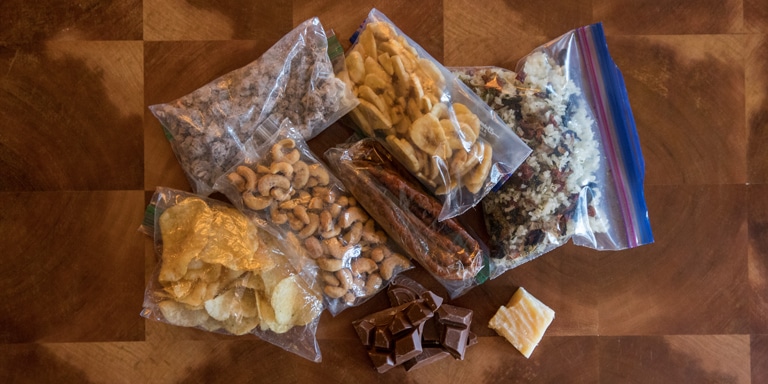
Credit: www.rei.com
Handling Butter In Different Climates
Carrying butter on a backpacking trip needs care. Butter reacts to heat and cold differently. Knowing how to handle it in various climates keeps it fresh and easy to use. This section explores simple tips for hot and cold weather.
Hot Weather Strategies
Butter melts fast in hot weather. Keep it cool to avoid mess and spoilage. Use small containers to carry only what you need. Wrap butter in wax paper or foil for extra protection.
Store butter in a cooler bag with ice packs. Place ice packs around, not directly on the butter. Avoid opening the container often to keep it cool longer. Keep the butter in the shade during stops.
Cold Weather Considerations
Cold weather can harden butter. Hard butter is tough to spread and use. Soften it by keeping it inside your jacket or sleeping bag. This keeps it warm without melting.
Pack butter in an insulated container to avoid freezing. If frozen, let it sit at room temperature before use. Cold climates help butter last longer but need thoughtful packing.
Signs Butter Has Gone Bad
Butter is a popular choice for backpackers due to its taste and energy. Carrying it safely means knowing when it has gone bad. Spoiled butter can ruin your meal and cause stomach issues. Recognizing signs of bad butter helps avoid these problems. It keeps your trip safe and enjoyable.
Visual And Smell Indicators
Check butter’s color first. Fresh butter is creamy yellow or white. Dark spots or mold show spoilage. Butter may look oily or separated when bad. Smell the butter next. Fresh butter has a mild, sweet scent. A sour or rancid smell means it has gone bad. Trust your nose and eyes to spot bad butter quickly.
What To Do If Butter Spoils
Do not eat spoiled butter. It can cause food sickness. Dispose of it properly in a sealed bag. Clean the container or wrap to avoid cross-contamination. Replace it with a fresh pack as soon as possible. Choose butter with a longer shelf life next time. Store it in a cool, shaded place on your trip.

Credit: trailcooking.com
Frequently Asked Questions
How To Keep Butter Fresh On Backpacking Trips?
Use airtight containers or small silicone molds to store butter. Keep it cool by placing it in insulated bags with ice packs. Avoid exposure to heat and sunlight to prevent melting and spoilage.
Can I Carry Butter Without Refrigeration?
Yes, by using clarified butter or ghee, which lasts longer without refrigeration. These forms resist spoilage and are convenient for backpacking trips in warm conditions.
What Is The Best Packaging For Backpacking Butter?
Vacuum-sealed packets or reusable silicone containers work best. They prevent leakage, protect butter from air and dirt, and are lightweight for easy carrying.
How Much Butter Should I Carry On A Trip?
Carry only what you need for a few days to avoid spoilage. A small 2-4 ounce portion is usually sufficient for most backpacking meals.
Conclusion
Carrying butter on a backpacking trip is simple with the right tips. Choose a sturdy container to protect it from melting or spilling. Keep it cool using ice packs or insulated bags. Pack only the amount you need to save space and weight.
Butter adds flavor and calories to your meals, making your trip better. Plan well, pack smart, and enjoy tasty food outdoors. Butter can be a small but important part of your backpacking gear. Safe travels and happy eating!


