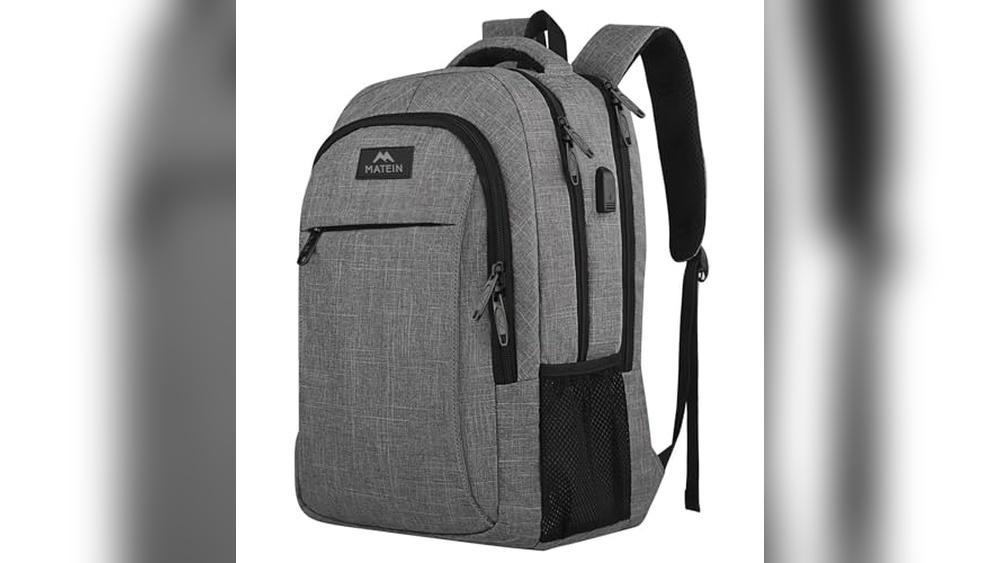
Are you wondering how to find out the capacity of your backpack? Knowing this simple detail can change the way you pack and plan your trips.
Imagine grabbing your bag and instantly knowing if it fits everything you need—no more guesswork or surprises. You’ll discover easy tips to measure your backpack’s capacity quickly and accurately. By the end, you’ll feel confident packing smarter and traveling lighter.
Keep reading to unlock the secret to making your backpack work perfectly for you.
Check Manufacturer Labels
Checking the manufacturer labels is the easiest way to find your backpack’s capacity. These labels often carry important details about the bag’s size. They are usually placed inside or outside the bag, making them easy to spot. This information helps you understand how much your backpack can hold. Reading the label correctly saves time and avoids guesswork.
Locate Capacity Information
Look for a small tag or printed label on your backpack. It might be inside the main compartment or near the back panel. The label often shows the volume in liters or cubic inches. Some brands also print this information on the product tag you get at purchase. If you do not find it on the bag, check the original box or packaging.
Understand Volume Units
Capacity is usually shown in liters (L) or cubic inches (cu in). Liters are more common in backpacks worldwide. One liter equals 1,000 cubic centimeters. Cubic inches are mostly used in the United States. To compare, 1 liter equals about 61 cubic inches. Knowing this helps you understand the size better and choose the right pack for your needs.
Measure Backpack Dimensions
Measuring the dimensions of your backpack helps find its true capacity. This process shows how much space is inside. You will need a tape measure or ruler. Measure the length, width, and depth carefully. These numbers give a clear idea of size.
Understanding these numbers helps when choosing a backpack. It also tells you if your current bag fits your needs. Let’s break down the steps to measure your backpack correctly.
Calculate Length, Width, And Depth
Start with the length. Measure from the top of the backpack to the bottom. Next, find the width by measuring the widest part from side to side. Finally, check the depth. Measure from the front of the backpack to the back. Keep the backpack empty and flat for best results. Write down each measurement in centimeters or inches.
Convert Measurements To Liters
Multiply length, width, and depth to get volume in cubic centimeters or inches. Use this formula: Length × Width × Depth = Volume. To convert cubic centimeters to liters, divide by 1,000. For cubic inches, divide by 61.024. This gives the approximate capacity in liters. Now you know how much your backpack can hold.
Estimate Using Packed Items
Estimating your backpack’s capacity by packing items is a simple and practical way. It helps you understand how much space is inside without special tools. Use items with known sizes or volumes to get a good guess. This method shows how much gear your backpack can hold in real life.
Fill With Known Volume Items
Gather items with labeled sizes or volumes. Examples include water bottles, food cans, or storage boxes. Pack these items tightly inside the backpack. Count how many fit without forcing them. Add their volumes together to estimate total capacity.
This method works well for backpacks without size labels. It also helps check space for specific gear. For example, how many liters of water or meals you can carry.
Compare With Standard Objects
Use everyday objects to compare your backpack’s size. Items like textbooks, shoes, or tablets have common, easy-to-guess volumes. Fill the backpack with these objects and see how many it holds. This gives a rough but quick sense of capacity.
Comparing with familiar objects makes size easier to understand. It also helps decide if the backpack fits your needs for school, travel, or hiking.
Use Online Tools And Apps
Finding the capacity of your backpack helps you pack just right. Online tools and apps simplify this task. They offer quick and clear ways to measure your backpack’s volume. These tools save time and avoid guesswork.
Backpack Volume Calculators
Backpack volume calculators let you enter your backpack’s dimensions. Usually, they ask for length, width, and height. Then, the calculator shows the volume in liters or cubic inches. This helps you understand how much your backpack can hold. Some calculators adjust for shape, giving more accurate results. They work on websites and are free to use.
Mobile Measurement Apps
Mobile measurement apps use your phone’s camera to measure objects. You can scan your backpack and get its size instantly. These apps often provide volume estimates too. They are easy to use and work on both Android and iOS. With a few taps, you get a good idea of your backpack’s capacity. No need for a tape measure or math.
Consider Backpack Design
Understanding the design of your backpack helps you know its true capacity. Designs vary greatly. Some backpacks have many compartments. Others focus on a large single space. The layout affects how much you can carry and organize. Think about how the design fits your needs.
Impact Of Compartments
Compartments divide the backpack into sections. They help keep items organized and easy to find. More compartments mean you can separate gear, clothes, and electronics. This can make the backpack feel bigger. But too many small compartments may reduce usable space. Check the size and number of compartments. This gives a clear idea of the backpack’s real capacity.
Expandable Sections
Expandable sections add flexibility to your backpack. They let you increase capacity when needed. A zipper or strap often controls this feature. Expandable backpacks are great for trips with varying loads. They provide extra room without carrying a bigger bag all the time. Keep in mind that expanded space may affect the bag’s shape and comfort.
Tips For Choosing Right Capacity
Choosing the right backpack capacity is important for a good trip. It helps carry what you need without extra weight. Picking a size that fits your trip makes your travel easier and more comfortable.
Below are simple tips to help you find the best backpack size for your adventures.
Match Capacity To Trip Length
Short trips need smaller backpacks, usually 20 to 35 liters. They hold clothes and a few essentials. Longer trips require bigger bags, around 40 to 70 liters. These give space for extra gear and food. Think about how many days you will travel. Choose a size that fits your supplies without packing too much.
Balance Comfort And Storage
Too large backpacks can feel heavy and hard to carry. Too small bags might not hold all your items. Find a bag that feels light but stores your gear well. Try on backpacks with weight before buying. Look for padded straps and a good back support. This helps you stay comfortable on the move.
Frequently Asked Questions
How Is Backpack Capacity Measured?
Backpack capacity is measured in liters. It represents the total volume of space inside. Manufacturers usually list this on the label or product description. You can also estimate by filling the bag with water or soft items and measuring the volume.
Where To Find Backpack Capacity Information?
Capacity details are often on the backpack’s tag or label. Check the product description online or on the manufacturer’s website. If unavailable, contact customer support for exact volume information. Knowing capacity helps you choose the right size for your needs.
Can I Estimate Capacity Without A Label?
Yes, you can estimate by measuring the bag’s dimensions. Multiply length, width, and height in centimeters. Divide the result by 1000 to get liters approximately. This gives a quick idea of the backpack’s volume if no label is present.
Does Capacity Affect Backpack Comfort?
Capacity affects weight and how much you carry. Larger capacity means more weight, which can impact comfort. Choose a size that fits your load needs without causing strain. Proper fit and padding also influence comfort alongside capacity.
Conclusion
Knowing your backpack’s capacity helps you pack smart and light. Check the label or measure the bag’s size to find out. Think about what you usually carry and match it with the capacity. This way, you avoid carrying too much or too little.
A good fit makes your trips easier and more comfortable. Keep these tips in mind when choosing or using your backpack. Simple steps lead to better packing every time.