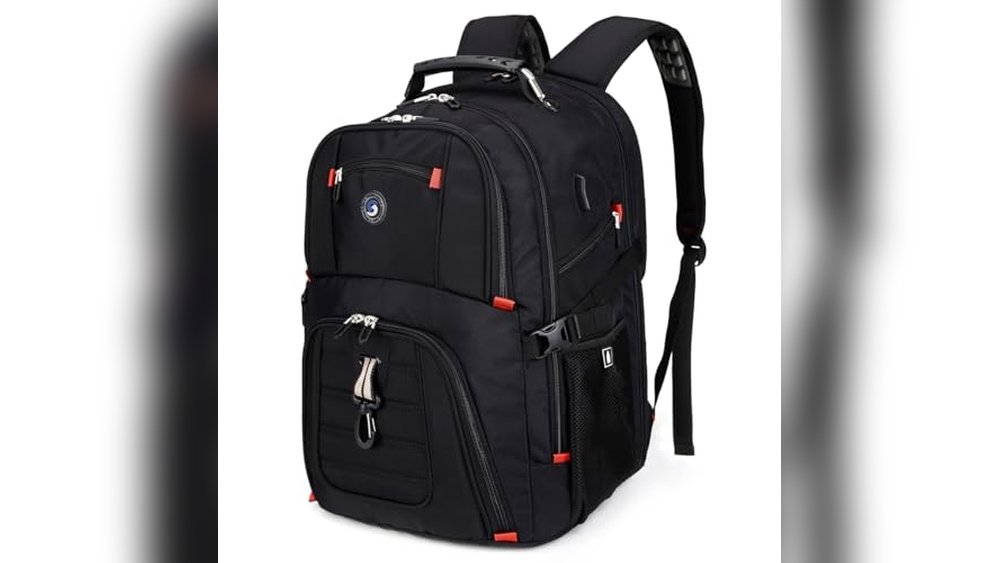
Have you ever struggled to draw your backpack hanging on a hanger just right? You’re not alone.
Capturing the way a backpack folds, hangs, and shows its details can be tricky. But what if you could learn a simple step-by-step way to make your drawing look real and impressive? This guide will show you exactly how to draw a backpack on a hanger with easy tips that anyone can follow.
By the end, you’ll feel confident in your skills and ready to create drawings that stand out. Keep reading, and let’s bring your backpack to life on paper!
Materials Needed
Preparing to hang a Go Draw backpack requires a few basic materials. These items help keep your backpack secure and easy to access. Gathering everything before starting saves time and effort. Most materials are common household items or easy to find in stores.
Sturdy Wall Hook Or Hanger
Choose a wall hook that can hold the backpack’s weight. Metal or heavy-duty plastic hooks work best. Avoid flimsy hooks that may break or bend. The hook should have a smooth surface to prevent damage to straps.
Drill And Screws
A drill helps secure the hook firmly to the wall. Use screws that fit the hook’s holes perfectly. This ensures the hook stays in place without wobbling. Select screws suitable for your wall type, like drywall or wood.
Measuring Tape And Pencil
Measure the height where the backpack will hang. Mark this spot with a pencil for accurate hook placement. Correct height keeps the backpack off the floor and easy to reach. Double-check measurements to avoid mistakes.
Wall Anchors
Wall anchors provide extra support in drywall or plaster. They prevent the hook from pulling out under weight. Use anchors designed for the screw size you have. This keeps the backpack safe and the wall intact.
Level Tool
A level ensures the hook is straight on the wall. A crooked hook can cause the backpack to hang unevenly. Place the level above or beside the hook before drilling. This small step improves the overall look and function.
Sketching The Hanger
Sketching the hanger is the first step to draw a backpack on a hanger. It sets the base for your entire drawing. A clear hanger shape helps the backpack look natural and balanced. Start with simple lines and shapes to build the hanger’s form. Focus on smooth curves and correct proportions. This makes the drawing easy to understand and follow.
Basic Shape
Begin by drawing a wide, shallow triangle. This shape is the main body of the hanger. Use soft, curved lines instead of sharp angles. Add a small hook at the top center of the triangle. Keep the hook thin and slightly curved. The hook should look strong enough to hold the backpack.
Adding Details
Next, add thickness to the hanger’s frame. Draw parallel lines along the triangle’s edges. This creates a three-dimensional effect. Add a small curve at each corner for smooth joints. Show the hanger’s material by adding light shading. This gives depth and realism to your sketch. Keep these details simple and clean.
Drawing The Backpack Outline
Drawing the backpack outline is the first step to create a clear and simple sketch. It sets the base for adding details later. Focus on the overall shape and how the backpack hangs on the hanger. Keep lines light and smooth for easy adjustments.
Backpack Shape
Start by sketching the main body of the backpack. Most backpacks have a rounded rectangle shape. The top part is often curved, while the bottom is flat or slightly curved. Keep the shape balanced and not too wide. Use soft, flowing lines to show fabric and structure.
Position On Hanger
Draw the hanger first to place the backpack correctly. The hanger usually sits inside the backpack opening. Show the backpack’s straps hanging over the hanger’s arms. Make sure the backpack looks natural, not stiff. The backpack should hang slightly down, showing gravity’s effect.
Adding Straps And Pockets
Adding straps and pockets is important for a functional backpack. Straps help carry the weight comfortably. Pockets keep items organized and easy to find. Both parts improve the user experience and the bag’s look.
Strap Placement
Straps need to be placed where they support the bag well. Attach them near the top and bottom edges. This spreads the weight evenly across the shoulders. Adjustable straps allow users to change the length. Make sure the stitching is strong to hold heavy loads.
Pocket Details
Pockets come in many shapes and sizes. Use small pockets for keys and pens. Larger pockets fit books or water bottles. Zippers or flaps keep items secure inside. Position pockets on the sides or front for quick access. Choose durable fabric to prevent tears.
Inking And Refining Lines
Inking and refining lines is a key step in drawing a backpack on a hanger. It makes the sketch clear and sharp. This phase transforms rough pencil marks into clean, bold outlines. The drawing looks more finished and easier to understand.
Careful inking helps to highlight the backpack’s shape and details. It also adds depth and contrast. Refining lines removes extra marks and smooths the edges. This gives the drawing a polished, professional look.
Choosing The Right Tools
Select pens or markers with fine tips for detailed lines. Use thicker pens for outer edges to create a strong outline. Good tools make inking easier and neater. Experiment to find what feels comfortable and precise.
Steady Hand Techniques
Keep your hand steady to avoid shaky lines. Rest your arm on the table for support. Draw slowly and confidently. Use smooth, continuous strokes instead of short, choppy ones. This approach improves the line quality.
Layering And Correcting Lines
Start with light, thin lines to outline the backpack’s shape. Then, go over them with darker, thicker lines. Fix mistakes by gently erasing pencil marks after inking. Avoid pressing hard to prevent smudges and damage.
Adding Depth With Line Variation
Use thicker lines for the backpack’s main contours. Draw thinner lines for small details like straps or zippers. This contrast gives a sense of depth and dimension. It makes the drawing more interesting to look at.
Coloring Tips
Coloring your Go Draw Backpack on a hanger brings it to life. Using the right techniques makes your drawing more vibrant and realistic. Simple steps can create a great impact. Focus on colors and shading to add depth and interest.
Choosing Colors
Select colors that match the backpack’s style. Use bright colors for a lively look. Soft colors give a calm, gentle feel. Think about the backpack’s material and lighting. Choose colors that reflect its texture. Keep the palette limited to avoid clutter. Test colors on a separate paper first.
Shading Techniques
Shading adds shadows and highlights to your drawing. Use light strokes for soft shadows. Apply darker shades where the backpack folds or curves. Blend colors gently to avoid harsh lines. Layer colors to build depth slowly. Pay attention to light direction for realism. Use shading to show the hanger’s shape too.
Final Touches
Adding final touches to your drawing of a backpack on a hanger brings it to life. This step enhances depth and interest. Small details make a big difference in the overall look. Pay attention to light, shadows, and the background. These elements complete the scene and make your artwork stand out.
Highlights
Highlights show where light hits the backpack and hanger. Use a white or light color to add these bright spots. Focus on edges and curves where light naturally falls. Highlights give the drawing a three-dimensional feel. They also create a shiny or smooth texture. Apply them softly for a natural look. Do not overdo highlights; subtlety works best.
Background Elements
Background elements help set the scene for your drawing. Keep them simple to avoid distraction from the backpack. A plain wall or soft shadows work well behind the hanger. You can add faint lines or shapes to suggest a room or closet. Use light colors and gentle shading. These touches add context and depth. Background details make the drawing feel complete and balanced.
Frequently Asked Questions
How Do I Draw A Backpack On A Hanger Step-by-step?
Start by sketching the hanger’s outline. Then, draw the backpack’s main shape hanging from it. Add straps and details like pockets. Finish with shading to show depth and texture for a realistic effect.
What Materials Are Best For Drawing Backpacks On Hangers?
Use pencils for initial sketches and fine liners for outlines. Colored pencils or markers add vibrant details. High-quality paper enhances texture and durability. Choose materials based on your preferred style and desired finish.
How To Add Realistic Shadows To Backpack Drawings?
Identify the light source direction first. Shade the opposite side with softer strokes. Use blending tools to smooth shadows. Add darker tones under straps and hanger for depth. This technique creates a three-dimensional look.
Can Beginners Easily Learn To Draw Backpacks On Hangers?
Yes, beginners can start with basic shapes and simple lines. Practice drawing the hanger and backpack separately. Gradually add details and shading. Consistent practice improves skill and confidence over time.
Conclusion
Drawing a backpack on a hanger is simple with the right steps. Focus on basic shapes first. Add details little by little. Keep your lines clean and clear. Practice often to improve your skills. Each attempt will look better than before.
Enjoy the process and have fun drawing. Soon, you will create great backpack art easily.