Packing a backpack carry-on can feel tricky. You want to bring everything you need without overloading yourself.
But what if you could fit all your essentials neatly and stress-free? Imagine opening your bag and finding everything exactly where it should be—easy to grab and ready to go. You’ll discover simple, smart tips to pack your backpack carry-on efficiently.
By the end, you’ll feel confident and prepared for your next trip. Ready to learn how to pack like a pro? Let’s dive in!
Choosing The Right Backpack
Choosing the right backpack for carry-on travel is key to a smooth trip. The perfect bag fits airline rules and keeps your items neat. It must be light, strong, and easy to carry. A good backpack saves space and protects your belongings. This section helps you pick the best backpack for your needs.
Size And Weight Limits
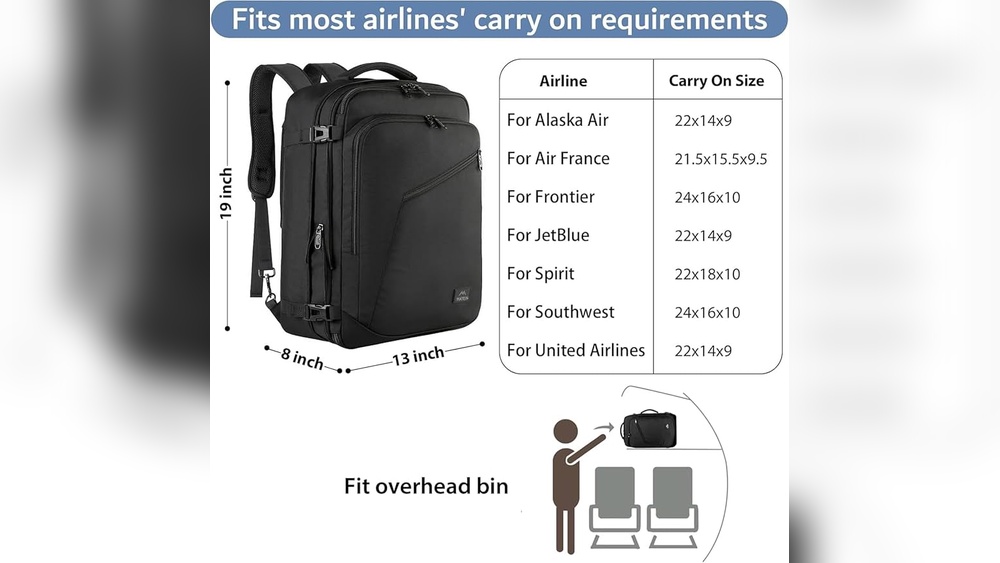
Check airline rules before buying a backpack. Most airlines allow carry-on bags up to 22 x 14 x 9 inches. Weight limits vary but often stay under 15 pounds. Choose a backpack that fits these size and weight limits. A smaller bag avoids extra fees and hassle.
Compartments And Organization
Look for backpacks with many compartments. Separate pockets help keep clothes, gadgets, and documents in order. A laptop sleeve or tablet pocket adds protection. Small zippered areas stop items from moving around. Good organization saves time and stress at security checks.
Material And Durability
Pick backpacks made from strong materials like nylon or polyester. These fabrics resist tears and water. Reinforced stitching adds extra strength. Durable zippers keep your bag secure. A tough backpack lasts through many trips and protects your things well.

Credit: herpackinglist.com
Essential Packing Gear
Packing smart makes travel easier. Choosing the right gear saves space and keeps you organized. Essential packing gear fits your needs and helps avoid stress. It lets you carry everything without overpacking.
Focus on items that serve more than one purpose. Gear that compresses your clothes or stores liquids safely is key. These tools help keep your backpack light and neat.
Packing Cubes And Compression Bags
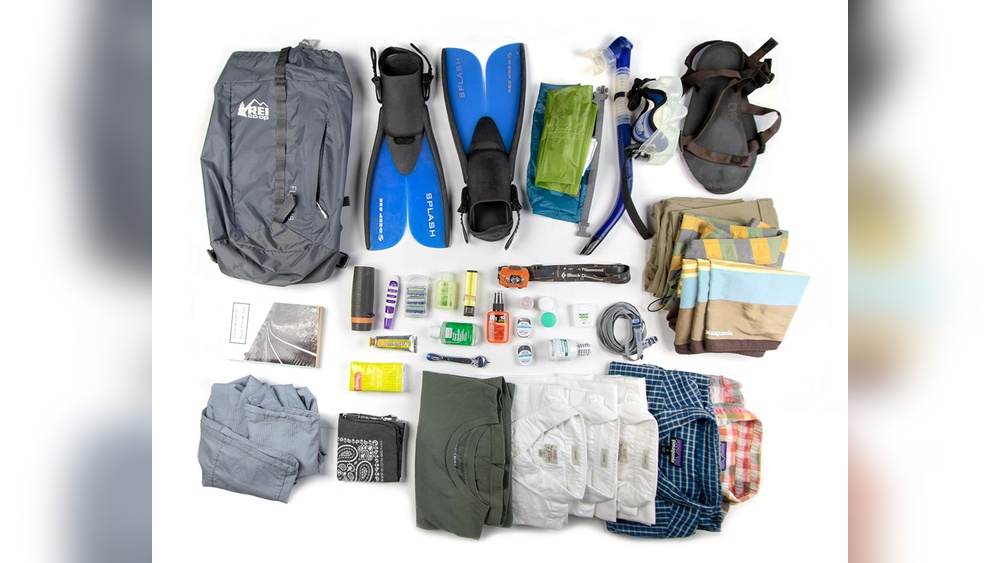
Packing cubes separate your clothes by type. They make finding items quick and simple. Compression bags reduce the volume of bulky clothes. They squeeze out air to save space. Use them for sweaters, jackets, or extra shoes. Both keep your backpack tidy and balanced.
Travel Bottles And Containers
Small travel bottles are perfect for liquids. They meet airline rules for carry-ons. Refill them with shampoo, lotion, or hand sanitizer. Leak-proof containers prevent spills inside your bag. Choose bottles that are easy to open and close. Clear bottles help spot contents fast.
Multi-use Items
Multi-use items cut down on what you carry. A scarf can be a blanket, pillow, or sun shield. A phone charger with multiple ports powers several devices. A jacket with many pockets stores small essentials. Pick gear that works well in different situations. This reduces bulk and keeps your backpack light.
Clothing Strategies
Packing clothes efficiently is key to fitting everything in a carry-on backpack. Smart clothing choices save space and keep you comfortable. Planning your wardrobe before packing helps avoid overpacking. Focus on pieces that serve multiple purposes and adapt to different situations. Proper folding and rolling techniques also affect how much fits inside. Consider the weather and climate of your destination. Layering clothes works well for changes in temperature. These clothing strategies make your trip lighter and easier.
Selecting Versatile Pieces
Choose clothing that matches many outfits. Neutral colors mix and match easily. Pick items that work for day and night. Simple designs suit casual and formal events. Look for clothes made from wrinkle-resistant fabric. A pair of dark pants can go everywhere. A lightweight jacket fits multiple weather types. Avoid bulky items that take much space. Focus on pieces you can wear several times.
Rolling Vs Folding Clothes
Rolling clothes saves more space than folding. Rolls fit tightly and reduce wrinkles. Fold thick items like jackets to keep shape. Use packing cubes to organize rolled clothes. Rolling helps find items quickly in your bag. Fold delicate or stiff fabrics carefully. Combine rolling and folding for best results. Test both methods to see what works best.
Layering For Different Climates
Layering helps adjust to changing weather. Start with a thin, breathable base layer. Add a warm middle layer for cold days. Top with a waterproof or windproof jacket. Layers trap heat and keep you dry. Choose light layers that fit well together. You can add or remove layers easily. This approach saves space and keeps comfort high.

Credit: www.youtube.com
Maximizing Space Efficiently
Packing a backpack carry on needs smart space use. Every inch counts. Using space well helps fit more items without bulk. It keeps the backpack light and organized. Small tricks make a big difference in packing efficiency.
Using Every Nook And Cranny
Fill all small spaces with useful items. Roll clothes tightly to save room. Tuck socks inside shoes or corners. Use side pockets for chargers and cables. Small gaps can hold underwear or toiletries. This method reduces empty air inside the bag.
Stuffing Shoes And Hats
Shoes take up a lot of space. Stuff them with socks, chargers, or small clothes. This keeps shoe shape and saves space. Hats can flatten if filled with soft items. Use small shirts or scarves inside hats to keep form. This avoids extra space taken by bulky shapes.
Minimizing Bulk With Accessories
Choose compact accessories to reduce size. Use travel-size containers for liquids and creams. Replace bulky chargers with small, foldable ones. Pack lightweight scarves instead of heavy jackets. Thin belts or jewelry go inside shoes or corners. Less bulk means more space for essentials.
Organizing Toiletries And Electronics
Organizing toiletries and electronics in a carry-on backpack can be challenging. Both items need careful packing to save space and avoid damage. Good organization helps find things fast and keeps the backpack light and neat.
Compact Toiletry Packing Tips
Choose travel-sized bottles to save space. Use clear, leak-proof bags to keep items dry. Pack only what you need for the trip length. Put liquids in a separate pouch for airport security. Use solid items like bar soap or shampoo bars. Keep small items like toothbrush and razor in a case. Roll soft items to fit better and avoid wrinkles.
Managing Cords And Chargers
Wrap cords neatly to prevent tangles. Use small pouches or cable organizers for each charger. Label cords with tape or tags to identify them fast. Keep chargers and power banks in an easy-to-reach spot. Avoid packing too many chargers to reduce weight. Use multi-port chargers to charge several devices at once.
Securing Valuables
Store valuable electronics in padded compartments or cases. Use hidden pockets or internal zippered sections for small items. Keep passports, wallets, and phones close to your body during travel. Avoid loose items that can fall out or get lost. Carry a small lock for extra security on your backpack. Check your backpack often to ensure valuables stay safe.

Credit: www.youtube.com
Smart Packing Habits
Packing a backpack carry-on can be tricky. Smart packing habits help make travel easier. These habits save space and keep things organized. You feel less stressed and ready to go. Focus on what you really need. Keep your bag light and simple. Make sure important items are easy to reach. This way, your trip starts smoothly.
Prioritizing Essentials
Start with your must-have items. Clothes, toiletries, and documents come first. Choose versatile clothing that matches well. Limit shoes to one or two pairs. Pack travel-sized toiletries to save space. Don’t forget your ID, tickets, and money. These essentials keep your trip on track.
Avoiding Overpacking
Only pack what you will use. Avoid “just in case” items that add weight. Lay out everything before packing. Remove anything unnecessary. Use packing cubes to organize and compress. Overpacking makes your bag heavy and hard to carry.
Keeping Important Items Accessible
Place frequently used items on top or in outer pockets. Snacks, phone, wallet, and chargers should be easy to grab. This saves time during security checks or stops. Avoid digging through your whole bag. Easy access keeps your travel smooth and stress-free.
Final Checks Before Travel
Before you head out, make sure your backpack is ready for travel. Final checks help avoid surprises at the airport. These steps ensure your bag fits rules and your essentials stay safe.
Weight And Size Verification
Check the weight of your backpack using a scale. Airlines have strict weight limits for carry-ons. Make sure your bag is under the allowed weight.
Measure the size of your backpack. Use a tape measure to check height, width, and depth. Compare these to the airline’s size rules. This helps avoid extra fees or forced check-in.
Security And Accessibility
Pack important items where you can reach them quickly. Keep your passport, boarding pass, and electronics near the top or in an outer pocket. This speeds up airport security checks.
Use TSA-approved locks for your zippers. They protect your belongings but still allow security checks. Avoid packing prohibited items to prevent delays.
Backup Plans For Extra Items
Have a small bag or pouch for extra items you might pick up. This prevents overpacking your main backpack. Keep a plastic bag handy for liquids or snacks that might spill.
Prepare for unexpected changes. Pack a few extra essentials in your carry-on. This includes a spare charger, a change of clothes, or basic toiletries.
Frequently Asked Questions
What Essentials Should I Pack In A Backpack Carry On?
Pack essentials like travel documents, a change of clothes, toiletries, electronics, and snacks. Keep items organized in compartments for easy access during security checks and flights.
How Do I Maximize Space In A Backpack Carry On?
Use packing cubes, roll clothes tightly, and layer items efficiently. Place heavier items at the bottom and fill gaps with smaller accessories to save space.
Can I Bring Liquids In A Backpack Carry On?
Yes, liquids must be in containers of 3. 4 ounces (100 ml) or less. Store them in a clear, quart-sized plastic bag for airport security compliance.
How Do I Keep My Backpack Carry On Within Airline Size Limits?
Check airline size restrictions before packing. Use a measuring tape to ensure your packed backpack fits within carry-on size limits to avoid extra fees or gate checking.
Conclusion
Packing a backpack carry-on can feel tricky at first. Keep your items light and organized. Roll clothes to save space and avoid wrinkles. Choose versatile pieces you can mix and match. Place heavier items near your back for balance. Don’t forget essentials like chargers and travel documents.
Check airline rules to avoid surprises. With these tips, your trip starts stress-free. Ready to pack smart and travel light?