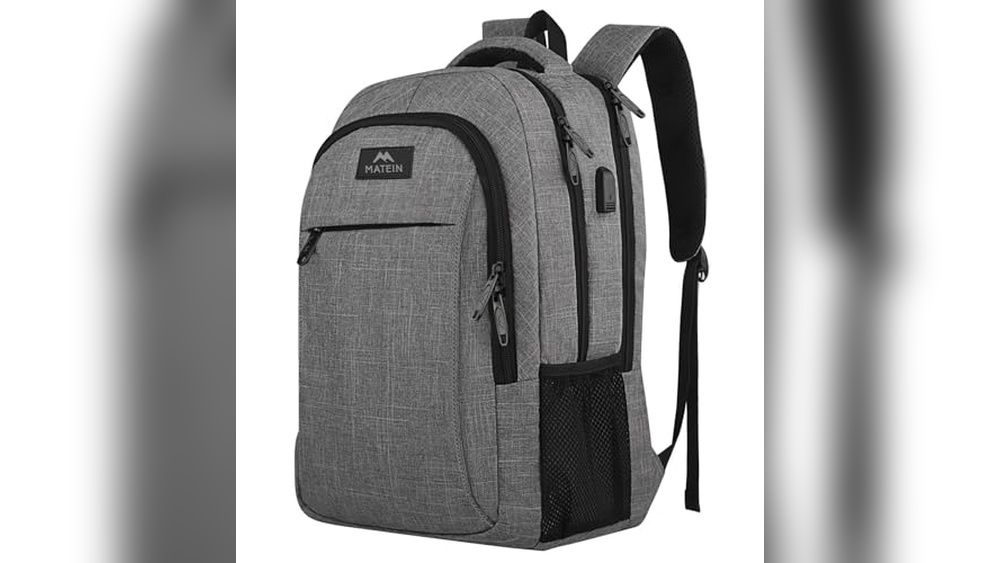
If you’ve donated a backpack and want to know how much you can deduct on your taxes, you’re in the right place. Understanding the exact amount to claim can save you money and keep you out of trouble with the IRS.
But figuring out the right deduction isn’t always simple. You might wonder: Should you use the original price? The current value? What if the backpack is slightly used? Keep reading, and you’ll get clear, easy answers that help you make the most of your donation.
Valuing Your Donated Backpack
Valuing your donated backpack helps determine the right deduction amount. Proper valuation ensures you claim a fair tax deduction. Many factors influence the backpack’s value. Understanding these helps you avoid mistakes. Keep in mind, the value is usually less than the original price. Let’s explore key points that affect your backpack’s worth.
Factors Affecting Backpack Value
The value depends on several important factors. Brand, condition, and age play a big role. The market demand for similar backpacks matters too. The backpack’s features and materials also impact its value. Check the prices of similar used backpacks online. Use this as a guide for your donation value.
Condition And Age Considerations
Backpacks in good condition have higher value. Look for tears, stains, or broken zippers. Older backpacks usually lose value over time. A nearly new backpack gets a better deduction. Clean your backpack before donating. Condition greatly affects how much you can deduct.
Brand And Model Impact
Popular brands keep their value longer. High-quality models often fetch higher deductions. Generic or less known brands usually have lower value. Limited edition or special models may increase worth. Know your backpack’s brand and model before valuing it. This helps set a realistic deduction amount.
Irs Guidelines For Donations
Donating a backpack to charity can help others and reduce your taxes. The IRS has clear rules on how to deduct the value of your donation. Following these rules ensures you claim the correct amount and keep your tax return safe.
Fair Market Value Rules
The IRS requires you to use the fair market value for your donated backpack. This means the price a buyer would pay for the item in its current condition. You cannot use the original price or a price you wish it had. Check online sales or thrift stores for similar backpacks to find a good estimate.
Documentation Requirements
Keep a receipt or a written acknowledgment from the charity. The receipt should show the date and a description of the backpack. For donations over $500, fill out IRS Form 8283. This helps prove the backpack’s value. Without proper documents, your deduction might be denied.
Donation Limits And Caps
The IRS limits how much you can deduct based on your income. Usually, you can deduct up to 60% of your adjusted gross income. If your donation is worth more, you can carry over the extra to future years. Always check the specific limits for your tax year to avoid mistakes.
Calculating Your Deduction
Calculating your deduction for a donated backpack is important to claim the right amount on your taxes. The value depends on the backpack’s condition and market worth. Understanding how to assess this value helps ensure you follow IRS rules. Below are ways to estimate the deduction accurately.
Using Comparable Sales Data
Check prices for backpacks like yours sold online or in stores. Look for similar brands, models, and conditions. These prices give a fair estimate of what your backpack is worth. Use recent sales to get the most accurate comparison. This method reflects the current market value well.
Estimating Depreciated Value
Backpacks lose value over time. Consider how old your backpack is and its condition. Reduce the original price based on wear and tear. For example, a used backpack might be worth half its new price. This approach shows the backpack’s realistic value today.
Online Valuation Tools
Use websites that help estimate the value of used items. Enter details like brand, model, and condition. The tool provides a suggested price range. These sites use data from many sales to give a good estimate. This method saves time and offers a quick value check.
Maximizing Tax Savings
Maximizing tax savings on donated backpacks helps you keep more money in your pocket. Understanding the rules and strategies can increase your tax deduction. Small steps make a big difference in your tax return.
Choosing The Right Charity
Select a charity recognized by the IRS for tax deductions. Donations to these groups qualify for tax benefits. Check the charity’s status on the IRS website before donating. Giving to local schools or shelters often counts. Keep your donation receipt for tax records.
Bundling Multiple Donations
Combine several donations in one year to increase deductions. Small gifts add up to a larger total. This strategy helps if you do not donate often. Track all donations carefully to claim the full amount. Bundling simplifies your tax filing process.
Itemizing Vs Standard Deduction
Decide whether to itemize deductions or take the standard deduction. Itemizing means listing all deductible expenses, including donations. The standard deduction is a fixed amount set by the IRS. Choose the option that gives a higher tax benefit. Keep good records to support itemized claims.
Filing Your Tax Return
Filing your tax return after donating a backpack requires careful steps. Correct reporting can help you claim the right deduction. You need to know which forms to fill out and how to avoid errors. This guide explains the process clearly.
Reporting The Donation
Report your backpack donation on your tax return to claim a deduction. The value of the backpack is generally its fair market value. List the donation under charitable contributions. Keep your donation receipt or a written acknowledgment from the charity. This proof is important if the IRS asks for it.
Required Forms And Schedules
Use Schedule A to itemize your deductions on Form 1040. Charitable donations appear on this schedule. If your total donations exceed $500, fill out Form 8283. This form provides details about non-cash gifts. Attach these forms to your tax return before submitting.
Common Mistakes To Avoid
Do not guess the backpack’s value; use a fair estimate. Avoid forgetting the receipt or acknowledgment letter. Ensure you file Schedule A and Form 8283 if needed. Do not overlook deadlines for filing your tax return. These mistakes can delay your refund or cause audits.
Frequently Asked Questions
How Do I Value A Donated Backpack For Tax Deduction?
To value a donated backpack, determine its fair market value. This is the price a buyer would pay in used condition. Use online marketplaces or thrift store prices as references. Keep a receipt or proof of donation for tax purposes.
Can I Deduct The Full Purchase Price Of A Donated Backpack?
No, you cannot deduct the full purchase price unless the backpack is new. The deduction is based on the fair market value at donation time. Used backpacks typically have a lower value due to wear and tear.
What Documentation Is Needed For Backpack Donation Deductions?
You need a receipt from the charity stating the backpack’s condition and donation date. For items over $500, complete IRS Form 8283. Keep photos and appraisals if the value is high to support your claim.
Are There Limits On How Much I Can Deduct For Donations?
Yes, deductions for donated property are generally limited to 50% of your adjusted gross income. Excess amounts can often be carried forward for up to five years. Always check current IRS rules for specific limits.
Conclusion
Donating a backpack can help others and reduce your taxes. Know the item’s value before you decide the deduction amount. Keep a receipt or proof of donation for your records. Use fair market value as a guide to set the deduction.
Small donations add up, so every bit counts. Follow IRS rules to avoid any tax issues. Giving feels good and helps those in need. Make your donation count by knowing how much to deduct. Simple steps lead to smart giving and saving.