Are you tired of struggling with your carry-on backpack at the airport? Knowing how to measure your carry-on backpack correctly can save you from unexpected fees and hassle.
Whether you’re a frequent flyer or planning your first trip, getting the size right is crucial. You’ll learn simple, step-by-step methods to measure your backpack accurately. By the end, you’ll feel confident that your bag meets airline rules every time.
Keep reading to avoid surprises and travel smarter!
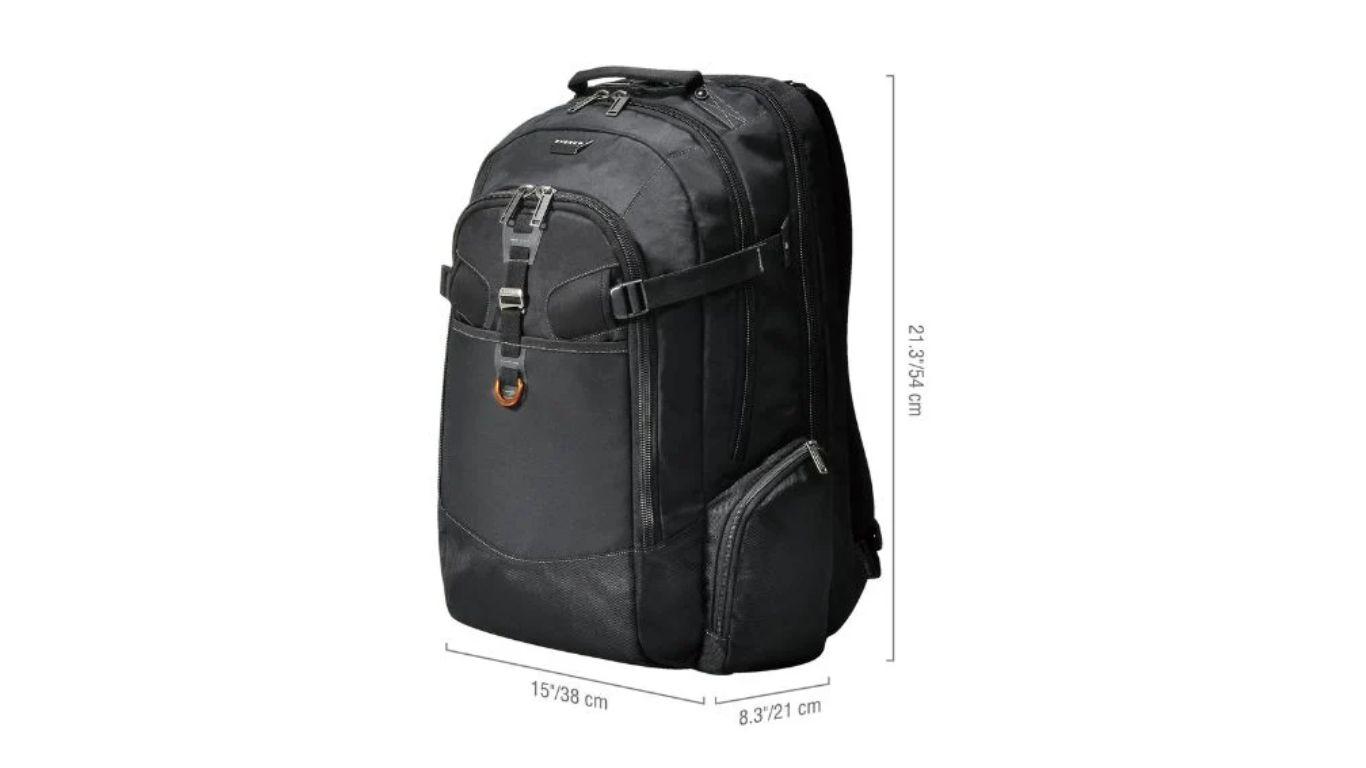
Credit: www.everki.com
Carry On Backpack Size Limits
Choosing the right carry on backpack size matters for hassle-free travel. Airlines set size limits to keep carry on bags safe and easy to store. Knowing these limits helps avoid extra fees or having to check your bag. This section explains the size rules you need to follow.
Airline Size Restrictions
Each airline has rules about carry on backpack size. Most allow bags that fit in the overhead bin or under the seat. Size limits differ between airlines and countries. Usually, the maximum size is around 22 inches high, 14 inches wide, and 9 inches deep. Weight limits can also apply, often around 15 to 22 pounds.
Check the airline’s website before packing. Some budget airlines have smaller size limits. Larger backpacks may need to be checked in, costing extra money. Knowing these rules saves time at the airport and stress during boarding.
Common Dimensions To Know
The most common carry on backpack size is 22 x 14 x 9 inches. This size fits most airline overhead bins. Some airlines allow slightly smaller bags, like 21 x 14 x 8 inches. Depth is important because backpacks expand with pockets and straps.
Measure your backpack carefully. Include all straps and wheels in your measurement. Use a tape measure to check height, width, and depth. If your backpack is larger than the limits, consider a smaller bag or pack lighter.
Following common size guidelines helps you avoid surprises at the airport. A well-sized carry on backpack means easier travel and less waiting time.
Key Measurements For Backpacks
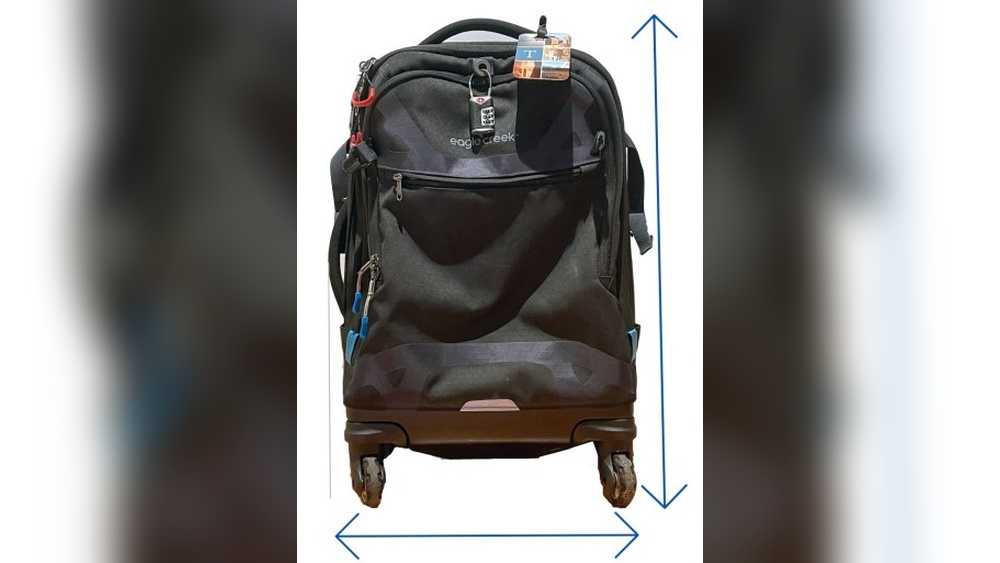
Knowing the key measurements of a carry-on backpack helps you find the right size. Each airline has rules about the size of carry-on bags. Measuring your backpack correctly avoids problems at the airport. Focus on three main measurements: height, width, and depth. These dimensions show how much space the backpack takes.
Use a tape measure or ruler for accuracy. Measure your backpack on a flat surface. Write down each number to compare with airline limits. These simple steps save time and stress before travel.
Height Measurement
Measure the backpack from the bottom to the top. Include any handles or straps that stick out. This shows the full vertical size. Airlines usually check this first. Keep the height under the allowed limit to avoid extra fees.
Width Measurement
Measure the widest part of the backpack. Usually, this is across the front or back. Do not include side pockets unless they stick out a lot. The width affects if the bag fits in overhead bins or under seats.
Depth Measurement
Measure how thick the backpack is from front to back. Include any bulges or extra compartments. This depth measurement shows how much the bag sticks out. It helps to know if the bag will slide easily into tight spaces.
Tools Needed To Measure
Measuring your carry-on backpack accurately helps avoid travel hassles. The right tools make this task easy and fast. You need simple tools to check the backpack’s height, width, and depth. Measuring tools should be easy to use and reliable.
Measuring Tape Tips
A measuring tape is the best tool for this job. It bends around curves and corners easily. Use a soft tape measure made of cloth or flexible plastic. Start measuring from the backpack’s base to the top for height. Measure across the widest part for width. Measure the depth from front to back. Keep the tape tight but not stretched. Note your numbers clearly for comparison.
Using A Ruler Or Yardstick
A ruler or yardstick works well on flat surfaces. Lay your backpack down to use these tools. Measure one side at a time for accuracy. Use a yardstick for longer measurements. Place the backpack on the floor or table. Measure height, width, and depth in straight lines. Mark each measurement carefully. These tools are less flexible but still useful.
Step-by-step Measuring Process
Measuring your carry-on backpack helps you avoid problems at the airport. Each airline has size limits. Knowing your backpack size prevents extra fees and hassle. Follow this step-by-step process to get exact measurements.
Preparing The Backpack
First, empty your backpack. Take out all items and pockets. Lay the backpack flat on a clean surface. Zip all compartments closed. Smooth any wrinkles or bulges. This gives you the true shape to measure.
Measuring Height And Width
Use a tape measure to find height. Measure from the bottom to the top. Do not include straps or handles. Next, measure the width. Measure the widest part side to side. Keep the tape straight for accurate numbers.
Measuring Depth
Measure the depth or thickness of the backpack. Start at the front and measure to the back. Include any bulges or pockets. Hold the tape firm to get the real depth. This shows how much space the backpack takes.
Checking Total Size
Add height, width, and depth measurements. Check if the total fits airline rules. Write down each number clearly. Compare your backpack size before packing. This simple check saves time and stress.
Tips For A Perfect Fit
Finding the right carry-on backpack is more than just checking size. The fit matters for comfort and usability. This section shares simple tips for a perfect fit. Follow these ideas to choose a backpack that suits your travel needs well.
Considering Expansion Features
Some backpacks have expandable compartments. These let you increase storage space when needed. Check if the expansion affects the size limits of airlines. Expansion adds flexibility for extra items on short trips.
Choose a backpack with easy-to-use zippers for expansions. Make sure the extra space does not make the bag bulky. A good design keeps your bag compact even when expanded.
Weight Limits And Comfort
Carry-on backpacks must stay light to avoid strain. Check the backpack’s empty weight before packing. Lightweight materials help reduce the total weight.
Look for padded shoulder straps and back panels. These provide comfort during long walks or waits. Adjustable straps help fit the bag snugly to your body. Proper fit spreads the weight evenly and reduces pressure.
Packing Smart For Space Efficiency
Organize your items to make the most of the backpack space. Use packing cubes or bags to group similar items. Roll clothes tightly to save space and reduce wrinkles.
Place heavier items near your back to keep balance. Use smaller pockets for essentials like chargers and documents. Smart packing helps avoid overstuffing and keeps the bag neat.
Common Mistakes To Avoid
Measuring a carry on backpack may seem simple but many make avoidable mistakes. These errors lead to problems at the airport and extra fees. Knowing common mistakes helps you measure correctly the first time.
Below are frequent errors people make when measuring their carry on backpack. Avoid these to ensure your bag meets airline rules and fits comfortably.
Ignoring Airline Variations
Airlines have different size limits for carry on bags. Measuring your backpack once and assuming it fits all airlines is a mistake. Always check the specific airline’s rules before measuring. This prevents surprises at the gate and wasted time.
Measuring While Packed
Measuring your backpack while it is full can give wrong dimensions. Packed bags tend to stretch or bulge, increasing size. Measure your backpack when it is empty and zipped up. This gives an accurate base size and helps avoid oversize fees.
Forgetting External Pockets
External pockets add to the total size of your backpack. Many forget to include these pockets in measurements. Always measure the full width, height, and depth, including all outside compartments. This ensures your backpack stays within size limits and fits easily in overhead bins.
Adjusting Your Backpack For Travel
Adjusting your backpack for travel helps keep it compact and easy to carry. A well-adjusted backpack fits within carry-on size limits. It also feels comfortable on your shoulders and back. Small changes make a big difference in your travel experience. Follow simple steps to prepare your bag before you leave.
Compressing Straps
Start by tightening all compression straps on your backpack. These straps shrink the bag’s size by pulling the fabric closer together. Pull each strap firmly but not too tight. This step prevents your backpack from bulging and makes it easier to fit in overhead bins. Check all sides of the bag to ensure even compression.
Removing Non-essential Items
Take out items you do not need during your trip. Extra clothes, gadgets, or books can add bulk and weight. Pack only what is essential for your journey. Removing non-essential items helps your backpack meet size and weight limits. It also reduces strain on your shoulders, making travel more comfortable.

Credit: uuhluggages.com

Credit: blog.tortugabackpacks.com
Frequently Asked Questions
How Do I Measure A Carry On Backpack Size?
Measure your backpack’s height, width, and depth with a tape measure. Use the largest points to ensure accuracy. Compare these dimensions with airline carry-on size limits before you travel.
What Tools Are Needed To Measure Carry On Backpacks?
A simple tape measure or ruler works best for measuring carry-on backpacks. These tools help capture height, width, and depth precisely. Avoid guessing to meet airline size requirements.
Why Is Accurate Carry On Backpack Measurement Important?
Accurate measurements prevent luggage rejection at airports. Airlines have strict size limits for carry-on bags. Measuring correctly ensures hassle-free boarding and avoids extra fees or checking your bag.
Can I Measure My Backpack At Home Easily?
Yes, you can measure your backpack at home using a tape measure. Lay it flat and measure its three dimensions. This helps you know if it fits carry-on rules before packing.
Conclusion
Measuring your carry-on backpack helps avoid travel hassles. Use a tape measure to check height, width, and depth. Compare these with airline size limits before packing. Remember, accuracy saves time and stress at the airport. A well-measured backpack fits easily in overhead bins.
Take a few minutes to measure right. It makes traveling smoother and more enjoyable. Simple steps lead to better travel experiences. Keep your measurements handy for future trips. Easy to do, worth the effort every time.