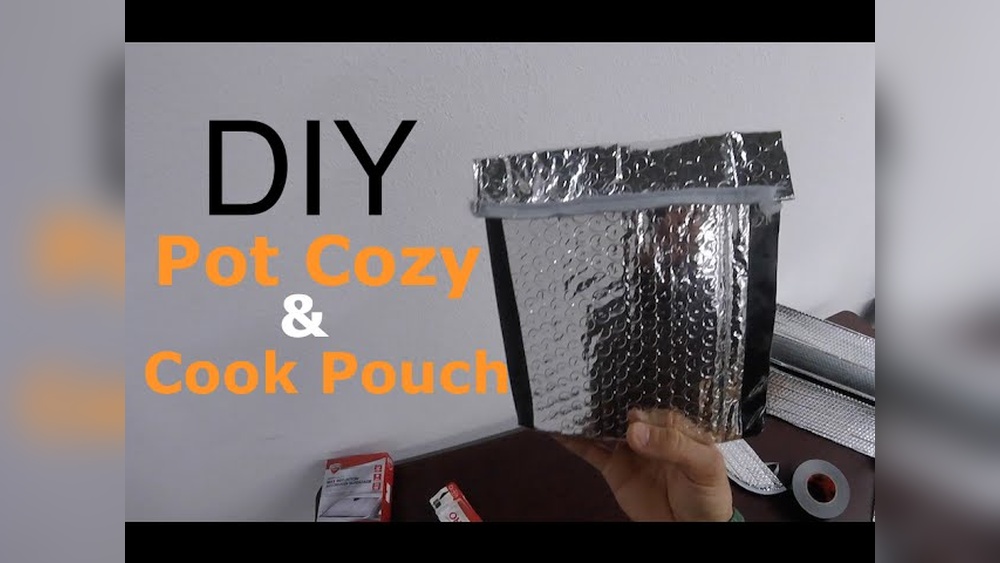
Have you ever wished your backpacking meals could be hotter, tastier, and easier to prepare? Using a cozy to cook while backpacking might be the secret trick you didn’t know you needed.
Imagine saving fuel, cooking food more evenly, and keeping your meal warm without extra effort. If you want to make your outdoor cooking smarter and more enjoyable, this guide will show you exactly how to use a cozy to cook backpacking.
Keep reading, and you’ll discover simple steps that can change the way you cook on the trail forever.

Credit: www.amazon.com
Choosing The Right Cozy
Choosing the right cozy for cooking on your backpacking trip makes a big difference. It keeps your food warm longer and helps save fuel. Picking the best cozy depends on materials, size, and how tough it is. These factors ensure your cozy works well outdoors and fits your backpacking needs.
Materials That Retain Heat
Good cozies use materials that hold heat well. Wool and fleece are popular because they trap warmth. Some cozies have insulating foam inside to keep heat in. These materials slow down heat loss, so your food stays hot longer. Avoid thin or smooth fabrics that lose heat fast.
Size And Portability Considerations
Your cozy should fit your pot or cup snugly. A tight fit keeps heat trapped inside. Choose a cozy that folds or rolls small for easy packing. Lightweight cozies save space and do not add much weight. Bulky cozies can be hard to carry on long hikes.
Durability For Backpacking
Backpacking gear must be tough. Pick a cozy made from strong fabrics that resist tears and wear. Water-resistant materials help keep your cozy dry in wet conditions. Check seams and stitching for quality. A durable cozy lasts many trips and handles rough outdoor use.
Preparing Your Cozy For Cooking
Preparing your cozy for cooking is an important step in backpacking. It keeps your food warm and saves fuel. A well-prepared cozy helps you cook efficiently and enjoy hot meals outdoors.
Before you start cooking, you must get your cozy ready. This makes sure your food cooks evenly and stays hot longer. Proper preparation also helps keep your cooking gear clean and organized.
Cleaning Before Use
Always clean your cozy before using it for cooking. Dirt or dust can affect the taste of your food. Use a damp cloth to wipe the inside and outside surfaces. Let it dry completely to avoid moisture buildup. Cleanliness helps maintain your cozy and food safety.
Packing Tips To Save Space
Pack your cozy carefully to save space in your backpack. Fold it flat or roll it tightly. Place it near your cooking pot to keep everything together. Avoid stuffing it with heavy or sharp items. A well-packed cozy is easier to carry and use during your trip.
Cooking Techniques With A Cozy
Cooking with a cozy is a smart way to save fuel and time while backpacking. It uses insulation to keep food hot and finish cooking without extra heat. This method helps meals cook slowly and evenly, making your backpacking trip easier and more enjoyable.
Starting The Cooking Process
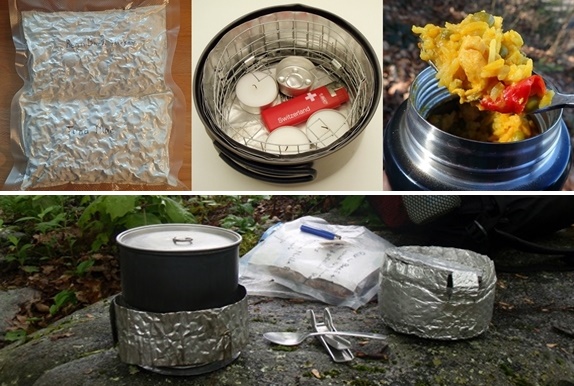
Begin by heating your food or water on a stove or fire until it reaches boiling or near-boiling. Use a pot that fits well inside your cozy for better heat retention. Once hot, place the pot inside the cozy quickly to keep as much heat as possible. This step sets the stage for slow cooking inside the cozy.
Using Residual Heat Efficiently
The cozy holds heat around the pot, allowing food to cook without more fuel. This method uses leftover heat from boiling to finish cooking meals gently. It helps tenderize food and blend flavors well. Keep the cozy closed to trap heat and moisture for best results.
Timing Your Meals
Cooking time in a cozy is longer than direct heat cooking. Check your recipe for recommended times, but expect slow cooking to take 20-60 minutes. Plan meals ahead to fit your hiking schedule. This technique works well for stews, rice, and dried foods that need soaking and softening.
Credit: www.backpackingchef.com
Safety Tips While Cooking
Cooking while backpacking requires extra care to stay safe. Using a cozy to cook helps keep food warm and saves fuel. Still, safety is very important to avoid accidents. Follow these tips to protect yourself and nature.
Avoiding Burns And Fires
Keep your cooking area clear of dry leaves and grass. Always cook on stable, flat ground to stop spills. Use a cozy that fits your pot well to avoid tipping. Never leave your stove or cozy unattended while cooking. Wear gloves or use a cloth when handling hot pots or cozzies. Keep a small container of water or sand nearby to put out small fires quickly.
Safe Handling And Storage
Store fuel canisters away from heat and direct sunlight. Make sure your stove is cool before packing it away. Keep food and cooking tools sealed to avoid attracting animals. Carry all trash out with you to keep campsites clean. Check your cozy and stove for damage before each use to avoid leaks or accidents.
Maintenance And Care
Taking care of your cozy is key for cooking success on backpacking trips. Proper maintenance keeps it clean and working well. It also helps the cozy last many adventures. Simple daily habits make a big difference.
Cleaning After Cooking
Clean the cozy right after use. Let it cool first. Remove any food crumbs or spills carefully. Use a soft cloth or sponge with mild soap. Avoid harsh chemicals that can damage the material. Rinse with clean water. Dry it fully before packing away. This stops mold and bad smells.
Storing Your Cozy For Longevity
Store the cozy in a dry place. Avoid folding it tightly; keep it loose. This prevents creases and damage to insulation. Use a breathable bag or container for storage. Keep it away from direct sunlight and heat. Check it regularly for wear or stains. Proper storage helps your cozy stay ready for every trip.
Benefits Of Cooking With A Cozy
Using a cozy for cooking while backpacking offers several benefits. It helps you save fuel, improves the taste and texture of your food, and speeds up cooking time. These advantages make outdoor cooking easier and more enjoyable.
Fuel Efficiency
A cozy traps heat around your pot. This reduces heat loss to the air. Less fuel is needed to keep food cooking. You carry less fuel, which makes your backpack lighter. Saving fuel also means fewer trips to refill or carry heavy canisters.
Enhanced Flavor And Texture
The cozy keeps a steady temperature during cooking. Food cooks evenly and gently inside. This helps preserve flavors and nutrients. Meals taste better and have a nicer texture. Your soups, stews, and rice come out perfect every time.
Reducing Cooking Time
Heat stays longer around the pot with a cozy. Food continues to cook even after you remove it from heat. This cuts down the active cooking time needed. You spend less time waiting and more time enjoying the outdoors. Faster cooking also means less exposure to cold or wind.
Common Mistakes To Avoid
Using a cozy for cooking while backpacking can make your meals warmer and tastier. Yet, many hikers make mistakes that reduce its effectiveness. Avoiding these errors helps you cook better and save fuel. Here are common mistakes to watch out for.
Overpacking The Cozy
Putting too much food or pots inside the cozy blocks heat circulation. Heat cannot reach all parts evenly. This slows down cooking and wastes fuel. Use only what fits comfortably inside the cozy. Leave space for air to flow and heat to spread.
Ignoring Weather Conditions
Wind and cold affect how well your cozy works. Strong wind cools your pot faster. Cold weather demands more heat to cook food. Place your cozy in a sheltered spot. Protect it from wind to keep heat inside longer.
Improper Heat Management
Too much or too little heat harms cooking quality. High flames can burn food and damage the cozy. Low heat means slow cooking and cold meals. Adjust your stove flame to a steady, low simmer. This keeps food warm and cooks it well inside the cozy.
Credit: blackwoodspress.com
Frequently Asked Questions
What Is A Cozy In Backpacking Cooking?
A cozy is an insulated cover that retains heat around a cooking pot. It helps food cook thoroughly with less fuel. Using a cozy enhances energy efficiency and keeps meals warm longer while backpacking.
How Do You Use A Cozy For Cooking?
Place the cozy around your cooking pot immediately after boiling. Wrap it securely to trap heat inside. Leave the pot in the cozy for 10-30 minutes to allow food to finish cooking slowly.
Can A Cozy Reduce Fuel Consumption?
Yes, a cozy significantly cuts down fuel use by keeping heat trapped. This reduces cooking time and the need to keep the stove on longer. It’s an eco-friendly and practical way to conserve fuel.
What Foods Cook Best Using A Cozy?
Stews, rice, pasta, and dehydrated meals work best with cozies. These foods benefit from slow, consistent heat retention. Using a cozy improves texture and flavor without extra cooking effort.
Conclusion
Using a cozy to cook while backpacking saves fuel and time. It keeps heat close to your pot for faster cooking. You can enjoy warm meals even in cold weather. This simple tool makes your outdoor cooking easier and more efficient.
Try it on your next trip and see the difference. Cooking becomes less stressful and more enjoyable. A cozy is a small item with big benefits for backpackers. Keep it handy and cook smarter on the trail.