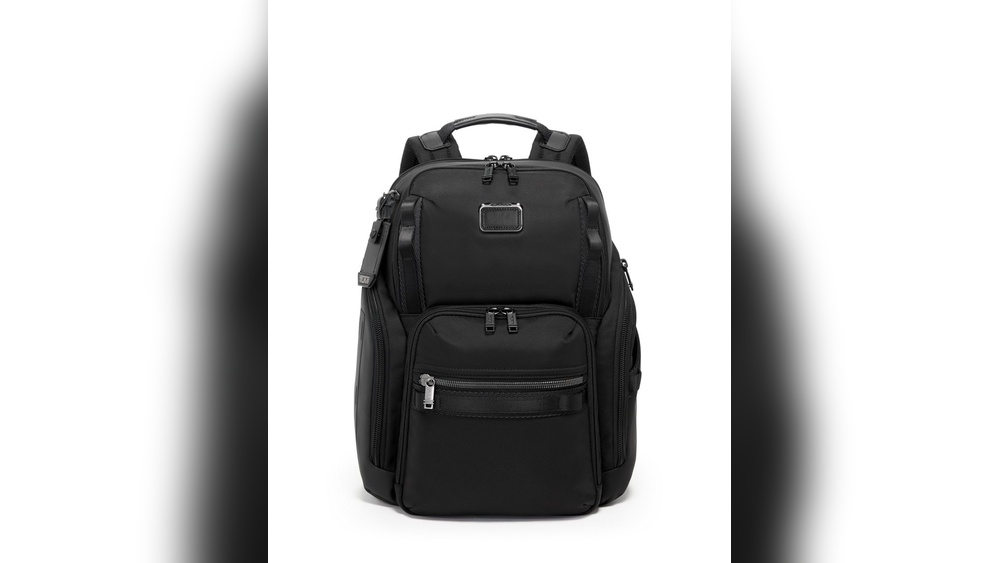
Dealing with lice is stressful enough—now you have to worry about your backpack too. You might be wondering, “Is my backpack safe?
How do I get rid of lice from it? ” Don’t worry, you’re not alone. Taking the right steps to clean your backpack can stop lice from coming back and keep you and your family safe. In this guide, you’ll discover simple, effective ways to clean your backpack after lice, so you can feel confident and worry-free again.
Keep reading to learn exactly what to do next.
Identify Lice Contamination
Identifying lice contamination in a backpack is the first step to stop the spread. Early detection helps keep lice from spreading to other belongings or people. You must know what signs to look for and where to check. This section guides you through spotting lice and their eggs in backpacks.
Check Backpack Thoroughly
Open every pocket and fold in the backpack. Lice can hide in small, dark spaces. Look inside seams and corners carefully. Use a bright light to see better. Check straps and zippers for any signs. Don’t forget inside compartments or hidden areas.
Recognize Lice And Nits
Lice are tiny insects, about the size of a sesame seed. They move slowly and do not jump. Nits are lice eggs. They look like tiny white or yellow dots. Nits stick firmly to fabric fibers or hair. They do not brush off easily. Spotting these signs confirms contamination.
Prepare Cleaning Supplies
Preparing cleaning supplies is the first step to effectively clean a backpack after lice exposure. Proper supplies help remove lice and their eggs quickly and safely. Gather everything before starting to avoid delays and ensure thorough cleaning.
Gather Disinfectants And Detergents
Choose a strong detergent that removes dirt and oils from fabric. A regular laundry detergent works well for most backpacks. Pick a disinfectant safe for fabrics to kill lice and eggs. Look for products labeled against parasites or bacteria. Avoid harsh chemicals that can damage the backpack material.
Select Appropriate Tools
Use a soft brush to scrub the backpack gently. This helps remove lice stuck in seams or zippers. Have a clean cloth or sponge for wiping surfaces. A small vacuum cleaner with a hose attachment can suck lice from hard-to-reach places. Keep gloves handy to protect your hands during cleaning.
Remove Loose Debris
Removing loose debris from your backpack is the first important step after lice exposure. Dirt, crumbs, and tiny particles can hide lice eggs or nits. Clearing these out reduces the chance of lice spreading again. It also makes the cleaning process easier and more effective.
Empty Backpack Completely
Take everything out of the backpack. Check all pockets and compartments carefully. Remove books, snacks, and any small items. Emptying the bag fully helps reach all areas. It stops debris from hiding in corners or seams. This step prepares the backpack for a deep clean.
Shake And Vacuum Interior
Take the empty backpack outside. Shake it well to loosen dust and crumbs. Turn it upside down and tap the sides. Use a vacuum cleaner with a hose attachment next. Vacuum all inside surfaces, including seams and pockets. This removes loose dirt and possible lice eggs. Clean the vacuum nozzle after use to avoid spreading.
Wash Removable Parts
Washing removable parts of your backpack is key after lice exposure. These parts often hold lice or eggs in hidden spots. Removing and cleaning them helps stop lice from spreading. It also keeps your backpack fresh and safe to use again.
Clean Detachable Linings And Pockets
Start by taking out all linings and pockets that you can remove. Check the backpack carefully for zippers and snaps. These parts usually collect dirt and lice. Wash them separately to ensure deep cleaning. Use a brush to remove visible dirt first. Then place them in a washing machine or hand wash with soap. Make sure they dry completely to avoid mold growth.
Use Hot Water Washing Method
Wash removable parts in hot water. The temperature should be at least 130°F (54°C). Hot water kills lice and their eggs effectively. Use regular laundry detergent with the hot water. Avoid cold or lukewarm water as lice can survive it. After washing, dry parts on high heat. Heat helps destroy any remaining lice. This method ensures your backpack parts are clean and safe.
Sanitize Non-washable Areas
Sanitizing non-washable areas of your backpack is essential after lice exposure. These spots can hide lice and eggs, making cleaning tricky. Proper care helps stop lice from spreading back to you or others.
Focus on parts like zippers, straps, and inner linings. These areas may not handle machine washing well but still need thorough cleaning. Use safe methods to kill lice without damaging your backpack.
Apply Disinfectant Sprays
Choose a disinfectant spray that kills lice and is safe for fabrics. Spray the non-washable areas lightly and evenly. Let the spray sit for the time suggested on the label.
Pay special attention to seams, straps, and pockets. Avoid soaking the backpack to prevent damage. Wipe off any excess spray with a clean cloth after the waiting period.
Use Steam Cleaning Techniques
Steam cleaning kills lice and eggs with heat without using chemicals. Use a handheld steamer or steam cleaner on low settings. Move the steamer slowly over the backpack’s surfaces.
Focus on corners and tight spots where lice might hide. Do not hold steam too close to avoid fabric damage. Allow the backpack to dry completely before using it again.
Dry Backpack Properly
Drying your backpack properly after cleaning it for lice is very important. Moisture left inside can cause mold or mildew. It can also make the backpack smell bad. Proper drying helps keep the backpack fresh and safe to use again.
Air Dry In Sunlight
Place your backpack outside in direct sunlight. Sunlight helps kill any leftover lice or eggs. It also dries the fabric quickly. Make sure to open all compartments and pockets. This lets air flow through the backpack. Leave it in the sun for several hours.
Avoid Moisture Retention
Do not keep your backpack in a damp or closed area. Moist places trap moisture and slow drying. Avoid folding or closing the backpack tightly. Use a hanger or lay it flat in a dry spot. Check pockets and seams for hidden wet spots. Drying fully prevents mold and bad smells.
Prevent Future Infestations
Preventing lice from coming back is key after cleaning a backpack. Taking simple steps helps keep lice away and protects your family.
Clean habits and safe storage reduce chances of new infestations. Here are easy tips to follow every day.
Store Backpack Safely
Keep the backpack in a dry, clean place. Avoid crowded spots where it touches many items. Use a sealed bag or container for extra protection. This stops lice from traveling from other surfaces. Let the backpack air out after use to reduce moisture. Moisture can help lice survive longer.
Regular Cleaning Tips
Wash the backpack often using hot water and soap. Heat kills lice and their eggs effectively. Vacuum the backpack to remove any leftover lice or eggs. Check the backpack carefully for signs of lice regularly. Clean other items like hats and scarves too. Regular cleaning breaks the lice life cycle and keeps them away.
Frequently Asked Questions
How Do I Disinfect A Backpack After Lice Exposure?
Clean the backpack by vacuuming all surfaces thoroughly. Then, wash removable fabric parts in hot water. Use a lice-killing spray on non-washable areas. Let the backpack dry completely in sunlight or a warm, dry place to kill remaining lice or eggs.
Can Lice Survive On Backpacks And Bags?
Lice cannot live long off the human scalp. They usually survive less than 48 hours on backpacks. However, it’s important to clean backpacks thoroughly to prevent possible lice transfer and ensure no eggs or lice remain.
What Washing Method Kills Lice On Backpack Fabric?
Use hot water above 130°F (54°C) to wash fabric parts. High temperatures effectively kill lice and their eggs. Follow with a high-heat dryer cycle to ensure full disinfection. Avoid cold or lukewarm washes, which may not eliminate lice.
Is Vacuuming Enough To Remove Lice From Backpacks?
Vacuuming helps remove lice and eggs from backpack surfaces. It’s an essential step but not enough alone. Combine vacuuming with washing and using lice-killing sprays for full disinfection. Vacuum all seams, pockets, and crevices carefully.
Conclusion
Cleaning your backpack after lice helps stop the spread. Always remove all items and wash them well. Use hot water and soap to kill lice and eggs. Dry the backpack completely in sunlight or a hot dryer. Check the backpack regularly to keep it clean.
Small steps prevent big problems. Keep your belongings safe and fresh. A clean backpack means peace of mind. Stay careful and act fast to protect yourself and others.