Ready to explore one of the most beautiful places on Earth without breaking the bank? Backpacking Costa Rica is your ticket to adventure, stunning beaches, lush rainforests, and vibrant culture—all while keeping your travel simple and affordable.
Whether you’re a first-time backpacker or a seasoned traveler, this guide will show you how to make the most of your trip. You’ll discover practical tips, must-see spots, and smart ways to travel that save you time and money. Keep reading, and get ready to turn your Costa Rica dream into reality.
Choosing The Best Time To Visit
Choosing the best time to visit Costa Rica is key for a great backpacking trip. The country has two main seasons that affect travel plans. Understanding these seasons helps you enjoy outdoor activities and avoid bad weather.
Dry Vs Wet Season
Costa Rica’s dry season runs from December to April. This period has sunny days and little rain. It is ideal for beach visits and hiking. The wet season lasts from May to November. Rain falls in short bursts, mostly in the afternoon. The countryside is lush and green during this time. Some roads may be muddy or slippery, so plan accordingly.
Peak Tourist Periods
The dry season is the busiest time for tourists. Popular spots fill up quickly. Prices for accommodation and tours rise. Booking ahead is important. The wet season sees fewer tourists. This means quieter beaches and trails. Prices drop, and deals are easier to find. Travelers wanting peace and lower costs should consider this time.
Weather Considerations
Temperatures stay warm year-round in Costa Rica. Coastal areas can get hot and humid. Mountain regions are cooler, especially at night. Rain in the wet season usually falls in the afternoon. Mornings are often clear. Carry rain gear if traveling during the wet season. Sunscreen and water are essential all year. Prepare for sudden weather changes in the rainforest.
Essential Packing Tips
Packing for a backpacking trip in Costa Rica needs smart planning. The climate changes fast. You face rain, sun, and cool nights. Carrying the right items makes your journey smooth. Light and useful gear helps you explore more.
Focus on the essentials. Avoid heavy bags. Think about comfort and safety. Here are some key tips for your packing.
Backpack Selection
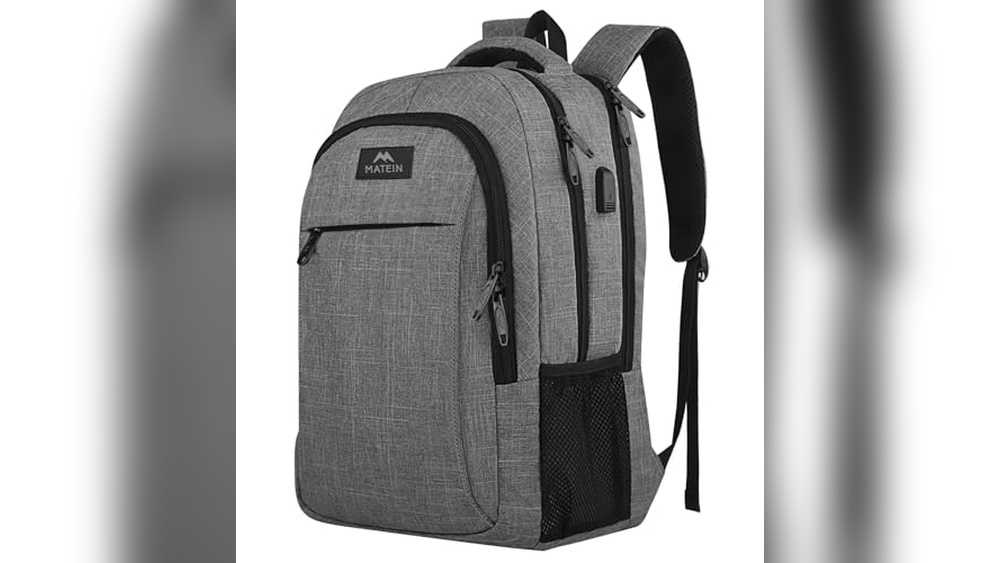
Choose a backpack around 40 to 50 liters. Big enough for your stuff, small enough to carry easily. Look for padded straps and a waist belt. These reduce shoulder strain. Waterproof material is a bonus. It protects gear from sudden rain.
Clothing And Footwear
Pack lightweight, quick-dry clothes. Cotton holds water and dries slowly. Bring a rain jacket or poncho. It keeps you dry during tropical showers. Include a hat and sunglasses for sun protection. Footwear should be sturdy and breathable. Hiking shoes or sandals with grip work well. Don’t forget extra socks to keep feet dry.
Gear And Gadgets
Carry a reusable water bottle to stay hydrated. A small first aid kit is important. Include insect repellent to avoid bites. A headlamp or flashlight helps at night. Bring a power bank for your devices. Keep your phone in a waterproof case. Travel light but prepare for all conditions.
Planning Your Route
Planning your route is key to a great backpacking trip in Costa Rica. The country offers many places to explore, from well-known spots to hidden gems. A good plan helps you see more and waste less time.
Start by choosing a few main destinations. Then add some less crowded places. Think about how far these places are from each other. This makes your travel smooth and fun.
Popular Destinations
San José, the capital, is a common starting point. From there, visit Arenal Volcano for hot springs and hiking. Monteverde Cloud Forest is great for nature lovers. Manuel Antonio National Park offers beautiful beaches and wildlife. These spots are easy to reach and have many activities.
Off-the-beaten-path Spots
Explore places like the Osa Peninsula for untouched rainforests. The Nicoya Peninsula has quiet beaches and small towns. Visit Tortuguero for river canals and turtle nesting. These areas are less crowded and show Costa Rica’s wild side. They offer peace and unique experiences.
Travel Distances And Times
Distances in Costa Rica can take longer than expected. Roads are often winding and slow. For example, San José to Monteverde takes about 3-4 hours. Arenal to Manuel Antonio can take 4-5 hours. Plan your days with travel time in mind. Use local buses or shuttle services for convenience.
Transportation Options
Getting around Costa Rica as a backpacker is part of the adventure. The country offers several transportation options that suit different budgets and travel styles. Choosing the right way to travel helps you explore more places and enjoy the trip.
Public Buses
Public buses are the cheapest way to travel in Costa Rica. They connect cities, towns, and many tourist spots. Buses run frequently and cover most routes across the country. The rides can be long, but you will see local life up close. Tickets are very affordable and easy to buy at bus stations.
Shuttle Services
Shuttle services are faster and more comfortable than public buses. They often run between popular tourist destinations. Shuttles pick you up at hotels or central spots. This option saves time and reduces the hassle of transfers. Prices are higher than buses but still reasonable for convenience.
Renting Vehicles
Renting a car or a motorcycle gives you full freedom to explore. You can visit remote places and travel at your own pace. Roads vary from smooth highways to rough mountain paths. Make sure to choose the right vehicle for your planned routes. Renting requires an international driver’s license and some extra budget.
Affordable Accommodation Choices
Backpacking in Costa Rica can be affordable with the right accommodation choices. Finding budget places to stay helps you save money for adventures. Costa Rica offers many options that suit every backpacker’s needs and budget.
Hostels And Guesthouses
Hostels are popular among backpackers for their low prices. Many hostels offer dorm rooms and private rooms. Guesthouses provide a more local feel with friendly hosts. Both options let you meet other travelers and share tips. These places often include free Wi-Fi and kitchen access. Staying in hostels or guesthouses helps you stretch your budget.
Camping Sites
Camping is a great way to enjoy nature and save money. Costa Rica has many camping sites in national parks and near beaches. Some campsites charge a small fee for a spot. Bringing your own gear lowers costs even more. Camping lets you experience the outdoors closely and meet other nature lovers. It’s perfect for adventurers on a tight budget.
Budget Hotels
Budget hotels offer private rooms at low prices. They provide more privacy than hostels or camping. Many budget hotels have clean rooms and basic amenities. You can find budget hotels in popular towns and cities. Booking early can secure better rates. These hotels give comfort without spending too much.
Top Outdoor Activities
Costa Rica offers many outdoor activities for backpackers. The country’s nature is perfect for adventure and fun. Explore forests, rivers, and beaches with ease. Here are some top activities to try.
Hiking And Trekking
Hiking in Costa Rica reveals stunning views and rich wildlife. Trails range from easy walks to tough climbs. Popular spots include Arenal Volcano and Monteverde Cloud Forest. Bring good shoes and water. Walking through nature feels refreshing and exciting.
Water Sports
Water sports attract many travelers in Costa Rica. Surfing is famous on the Pacific coast, especially in Tamarindo. Kayaking and paddleboarding let you explore calm rivers and lakes. White-water rafting offers thrilling rides on fast rivers. Water activities suit all skill levels and ages.
Wildlife Watching
Wildlife watching is a must in Costa Rica. The country hosts many birds, monkeys, and reptiles. Visit national parks like Corcovado or Tortuguero for great sightings. Early mornings and evenings are best times to see animals. Bring binoculars and a camera to capture moments.
Staying Safe On The Road
Traveling through Costa Rica is exciting but requires care for your safety. Roads and environments vary, so stay alert and prepared. Small actions keep you safe and make your trip better.
Health Precautions
Drink only bottled or filtered water to avoid sickness. Use insect repellent to protect against mosquitoes. Carry a basic first aid kit for minor injuries. Get vaccines before traveling, like for yellow fever. Rest well to keep your energy high for daily adventures.
Local Customs And Etiquette
Greet people with a friendly “Hola” and a smile. Dress modestly in towns and rural areas. Respect local traditions and avoid loud behavior. Ask permission before taking photos of people. Use polite words like “por favor” and “gracias” often.
Emergency Contacts
Save important numbers on your phone. The emergency number for police and ambulance is 911. Know the location of the nearest hospital or clinic. Keep contact info of your country’s embassy. Share your travel plans with someone at home.
Managing Your Budget
Backpacking in Costa Rica is a thrilling adventure. Managing your budget well helps you enjoy more and stress less. Knowing how to control expenses makes your trip smooth and fun.
Daily Expenses
Food, transport, and lodging are your main daily costs. Street food and small local eateries save money. Public buses are cheap and reach most places. Hostels offer affordable stays with good facilities. Plan your days to avoid extra travel costs.
Money-saving Tips
Book hostels or guesthouses early for better prices. Cook meals if possible to cut food costs. Use refillable water bottles to save on drinks. Join free walking tours to learn without spending much. Travel off-season for lower prices and fewer crowds.
Currency And Payments
The Costa Rican colón is the local currency. US dollars are widely accepted in tourist spots. Carry small bills for easier transactions. Use ATMs in cities for better exchange rates. Inform your bank about your travel to avoid card blocks.
Connecting With Locals
Connecting with locals in Costa Rica enriches your backpacking journey. It offers a true glimpse into daily life and culture. Meeting locals helps you understand traditions and values. It also creates lasting memories beyond tourist spots.
Language Basics
Learning simple Spanish phrases opens many doors. Greetings like “Hola” and “Gracias” show respect. Asking “¿Dónde está…?” helps with directions. Locals appreciate your effort to speak their language. It builds trust and invites friendly conversations.
Cultural Experiences
Participate in local festivals and markets. Taste traditional foods like gallo pinto and casado. Visit small villages to see crafts and music. Listen to stories from elders for unique insights. Each experience deepens your connection with the culture.
Community Projects
Join local community projects during your trip. Help with environmental clean-ups or school activities. These projects create meaningful bonds with residents. They also support sustainable tourism and local development. Volunteering gives a rewarding way to give back.
Frequently Asked Questions
What Is The Best Time To Backpack Costa Rica?
The best time to backpack Costa Rica is during the dry season, from December to April. This period offers sunny days and less rain, ideal for outdoor activities and exploring beaches, rainforests, and volcanoes comfortably.
How Much Does Backpacking In Costa Rica Cost?
Backpacking costs in Costa Rica vary, but budget travelers spend around $30-$50 per day. Expenses include hostels, local food, transportation, and activities, making it affordable for adventurous travelers on a budget.
What Essential Gear Should I Pack For Costa Rica?
Pack lightweight, quick-dry clothing, sturdy hiking shoes, a rain jacket, insect repellent, and a reusable water bottle. Don’t forget sunscreen, a hat, and a small first-aid kit for a safe and comfortable trip.
Is It Safe To Backpack Alone In Costa Rica?
Yes, Costa Rica is generally safe for solo backpackers. Stay aware of surroundings, avoid isolated areas at night, and keep valuables secure. Locals are friendly, and tourist spots are well-patrolled.
Conclusion
Backpacking Costa Rica offers adventure and beauty at every turn. Plan your route carefully to enjoy nature and culture. Carry light, stay safe, and respect local customs. Try new foods, meet friendly people, and explore hidden spots. Take time to relax and soak in the views.
Each day brings a new experience worth remembering. Travel with an open heart and curious mind. Your trip will be full of memories to cherish forever.