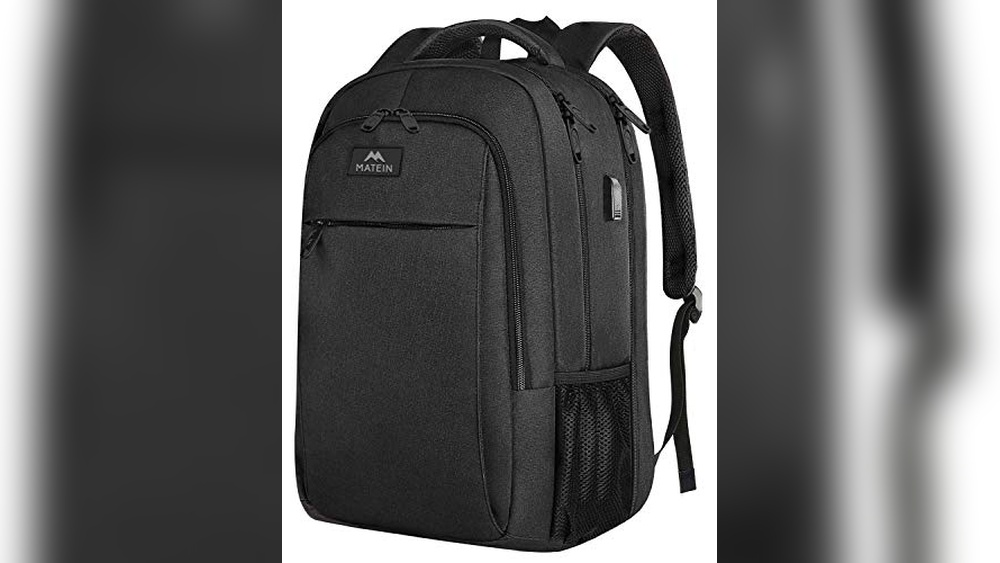
Are you tired of digging through your backpack to find small items like keys, chargers, or snacks? Adding extra pockets to your backpack can make your life so much easier.
Imagine having everything organized and right at your fingertips whenever you need it. In this guide, you’ll discover simple, practical ways to add pockets that fit your style and needs. Keep reading to transform your backpack into a more functional and convenient companion.
Materials Needed
Adding extra pockets to your backpack needs the right materials. Choosing the correct items makes the process easier and gives better results. Gather everything before starting your project. It saves time and avoids mistakes.
Fabric Types
Pick fabric that matches your backpack’s strength and style. Canvas is strong and lasts long. Nylon is light and water-resistant. Denim works well for casual backpacks. Choose fabric with enough thickness to hold items safely.
Sewing Tools
Use sharp scissors to cut fabric cleanly. Needles should be strong for thick fabric layers. Thread must match fabric color and be tough. A sewing machine speeds up the work. Pins help hold fabric pieces in place.
Additional Accessories
Zippers keep pockets secure and easy to open. Velcro strips offer quick access and closure. Buttons add style and function. Fabric glue helps attach small parts without sewing. Measuring tape ensures accurate fabric size.
Choosing Pocket Styles
Choosing the right pocket style is key to making your backpack more useful. Different pockets serve different needs. Some keep items safe, others offer quick access. Think about what you carry and how you want to reach it. This helps pick pockets that fit your daily routine and backpack style.
Zipper Pockets
Zipper pockets close securely to keep items safe. They stop small things from falling out. Perfect for valuables like keys or money. Zippers add protection from rain and dust. These pockets often fit inside or outside your backpack. Choose sturdy zippers for long-lasting use.
Patch Pockets
Patch pockets are simple and sewn onto the bag’s surface. They work well for flat or light items like maps or notebooks. Easy to make and attach. They add extra storage without changing your backpack’s shape. Ideal for quick grabs and daily essentials.
Elastic Pockets
Elastic pockets stretch to hold different sized items. Great for water bottles or snacks. They keep things snug but easy to pull out. Elastic edges adjust to what you place inside. Usually found on the sides of backpacks. Good for items you need fast access to.
Measuring And Planning
Adding extra pockets to your backpack starts with careful measuring and planning. This step ensures the new pockets fit well and serve their purpose. Good planning avoids mistakes and saves time.
Pocket Placement
Decide where you want to place the new pockets. Choose spots that are easy to reach. Think about how you use your backpack daily. Front and side areas work well for quick access. Avoid placing pockets where they may get in the way.
Size Considerations
Measure the items you want to carry in the new pockets. Make sure pockets are not too big or too small. A pocket too large can look bulky. Too small, and it won’t hold your items. Leave some extra space for comfort and flexibility.
Marking The Backpack
Use a pencil or fabric chalk to mark pocket edges on your backpack. Mark carefully to keep pockets straight and even. Double-check your measurements before cutting or sewing. Clear marks help you place pockets exactly where planned.
Cutting And Preparing Fabric
Cutting and preparing fabric is the first key step to adding extra pockets to your backpack. This stage sets the foundation for a neat and strong pocket. Careful cutting ensures the fabric fits well and looks good on your backpack. Proper preparation helps the fabric last longer and resist wear and tear.
Choose fabric that matches your backpack in color and texture. A durable fabric like canvas or nylon works best. Always wash and iron the fabric before cutting. This removes wrinkles and shrinks the fabric to its final size. A smooth fabric is easier to cut and sew accurately.
Fabric Cutting Tips
Measure the pocket size carefully before cutting. Use a ruler and fabric chalk for clear markings. Cut on a flat surface to avoid uneven edges. Use sharp fabric scissors to get clean cuts. Cut slowly and follow the lines closely. Avoid jagged edges that make sewing harder.
Cut extra fabric for seam allowance. Usually, add about half an inch on all sides. This space is needed for sewing the edges securely. Mark the seam allowance clearly on the fabric. This helps keep your sewing straight and tidy.
Edge Finishing
Raw fabric edges can fray and weaken the pocket. Finish the edges before sewing the pocket to the backpack. Use a zigzag stitch or overlock stitch to seal edges. You can also fold the edge twice and sew it down. This method hides raw edges inside the fold.
Edge finishing improves the pocket’s strength and lifespan. It also gives a neat look to your project. Take time to finish edges well; it makes a big difference. Clean edges prevent threads from coming loose over time.
Attaching Pockets
Attaching extra pockets to your backpack makes it more useful. You can carry small items safely and find them fast. There are simple ways to attach pockets without needing special skills.
Choose the right method based on your tools and the pocket material. Each method has its own benefits and works well for different fabrics.
Hand Sewing Techniques
Hand sewing is a good choice for small pockets or quick fixes. Use a needle and strong thread that matches the backpack color. Start by pinning the pocket in place to avoid shifting. Use a simple running stitch or backstitch around the edges. Keep stitches close and even for a neat look. Tie knots securely at the start and end to prevent loosening.
Machine Sewing Tips
Sewing machines save time and create strong seams. Use a heavy-duty needle for thick fabric. Set the machine to a straight stitch with medium length. Pin the pocket carefully to keep it steady while sewing. Sew slowly to keep stitches straight and even. Reinforce corners with extra stitches for durability. Trim loose threads to keep the pocket tidy.
Using Fabric Glue
Fabric glue works well for quick and no-sew attachments. Choose glue made for fabric and waterproof if possible. Apply glue evenly on the pocket back. Press the pocket firmly on the backpack and hold for a few minutes. Let the glue dry completely before using the backpack. Check the glue strength by gently pulling the pocket after drying. This method is great for lightweight pockets and small items.
Reinforcing Seams
Reinforcing seams is key to making extra pockets last longer on your backpack. Strong seams stop pockets from tearing or falling off. This step adds durability and keeps your backpack neat. It helps carry heavier items without worry.
Double Stitching
Double stitching means sewing over the same seam twice. It makes the seam much stronger. Use a sewing machine or sew by hand with tight stitches. Sew slowly to keep lines straight. This method prevents seams from coming apart.
Adding Fabric Tape
Fabric tape is a quick way to strengthen seams. Place tape on the inside of the pocket edges. Press firmly to stick it well. It supports the stitches and stops fraying. Fabric tape works well for extra reinforcement without bulk.
Waterproofing And Finishing
Adding extra pockets to your backpack is useful. Protecting these pockets from water is just as important. Waterproofing and finishing keep your gear dry and safe. These steps help your backpack last longer and look neat. Use simple methods to make your pockets water-resistant.
Waterproof Sprays
Waterproof sprays create a thin, protective layer. Spray evenly on the new pockets and the backpack. Let the spray dry fully before using the backpack. Choose sprays made for fabrics and outdoor gear. Spray again after heavy rain or every few months. This keeps water from soaking through the fabric.
Seam Sealing
Seam sealing stops water from entering through stitches. Apply seam sealer along the pocket edges and seams. Use a small brush or applicator for precise work. Allow the sealer to dry completely to form a strong barrier. Seam sealing works well with waterproof sprays for extra protection. Check seams often and reseal if needed.
Creative Pocket Ideas
Adding extra pockets to your backpack helps keep things organized. Creative pocket ideas make your bag more useful and unique. These ideas fit different needs and styles.
Hidden Pockets
Hidden pockets keep valuables safe and out of sight. Sew a small pocket inside the backpack lining. Use zipper or Velcro to close it tightly. Perfect for keys, money, or important cards.
Expandable Pockets
Expandable pockets grow when you need more space. Use fabric with elastic edges or pleats. Attach them to the outside or inside of the bag. They hold bulky items like water bottles or snacks.
Detachable Pockets
Detachable pockets add flexibility to your backpack. Use buttons, snaps, or Velcro to attach them. Remove pockets when you want a lighter bag. Great for carrying extra gear during trips.
Maintaining Your Backpack
Maintaining your backpack is important to keep it useful and looking good. Regular care helps your backpack last longer and stay strong. This is key after adding extra pockets, as these changes can stress the fabric and zippers.
Simple steps can protect your backpack from damage and dirt. Clean it carefully and fix small problems quickly. This way, your backpack stays ready for every adventure.
Cleaning Tips
Remove all items from your backpack before cleaning. Shake out dirt and crumbs from inside. Use a soft brush to clean the fabric gently.
Wash with mild soap and cold water. Avoid harsh chemicals that can harm the fabric. Let your backpack air dry completely. Do not use a dryer or direct sunlight.
Repairing Wear And Tear
Check your backpack often for loose threads or small tears. Use a needle and strong thread to sew minor rips. For bigger holes, use a patch or fabric glue.
Fix broken zippers by realigning teeth or replacing sliders. Tighten loose straps and buckles with a screwdriver. Regular repairs keep your backpack strong and safe to use.
Frequently Asked Questions
How Can I Add Extra Pockets To My Backpack?
You can sew or use iron-on fabric pockets to add extra storage. Choose durable materials and secure stitching for lasting use.
What Materials Are Best For Making Backpack Pockets?
Use strong fabrics like canvas or nylon. Reinforce edges with thread and consider waterproof materials for better protection.
Can I Add Pockets Without Sewing To My Backpack?
Yes, use adhesive-backed pockets or attachable pouches with Velcro or clips. These options are quick and removable.
How Do I Measure For Extra Backpack Pockets?
Measure the backpack’s surface where pockets will go. Ensure pockets fit items you plan to carry comfortably.
Conclusion
Adding extra pockets to your backpack makes it more useful every day. You can carry small items without losing them. It also helps keep things organized and easy to find. Small sewing skills or simple clips work well for this task.
Try different pocket styles to fit your needs. Enjoy your customized backpack on trips or daily use. Stay prepared and carry what matters most with ease.