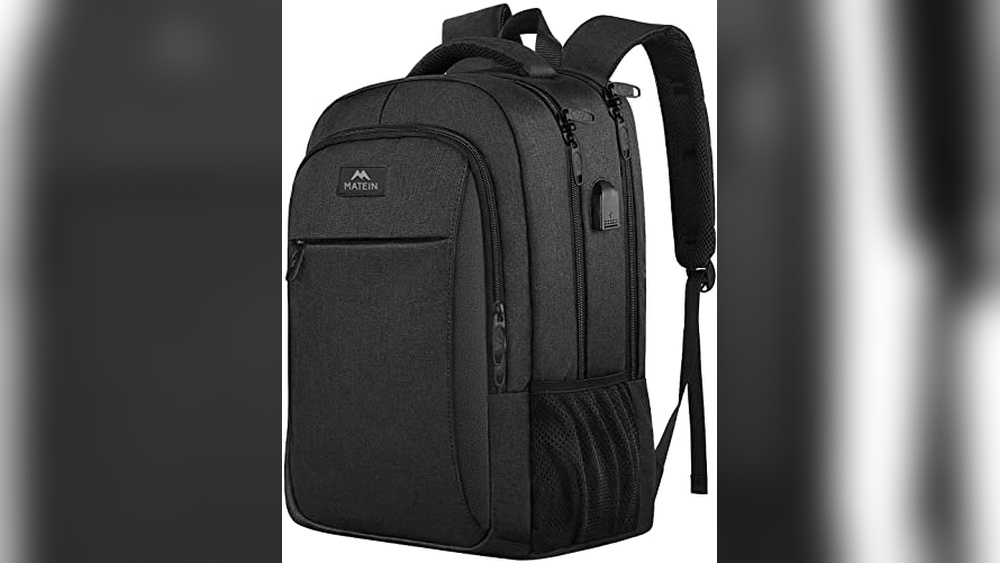
Have you ever wondered how much space your regular backpack really offers? Whether you’re packing for school, work, or a day trip, knowing the size of your backpack can make a big difference.
You might be surprised to learn how much—or how little—your backpack can hold. You’ll discover exactly how big a regular backpack is, what fits inside, and tips to make the most of its space. Keep reading to get the answers you need before your next packing adventure.
Backpack Size Basics
A regular backpack’s size matters for comfort and usefulness. Knowing the basic sizes helps you pick the right one. Size affects what you can carry and how it feels on your back.
This guide covers the key points about backpack size. You will learn about dimensions, volume, and weight. These details make choosing easier and better.
Standard Dimensions
Most regular backpacks are 17 to 20 inches tall. They usually measure 12 to 14 inches wide. Depth ranges from 6 to 10 inches. These sizes fit most people and daily items.
Compact yet roomy. Fits books, laptops, and lunch boxes. Easy to carry on buses or in classrooms. Not too big to be heavy or bulky.
Common Volume Measurements
Volume shows how much a backpack can hold. Regular backpacks range from 20 to 30 liters. This size fits school supplies and small gear. Enough space for a day trip or work essentials.
Not too small to limit your needs. Not too large to carry extra weight. Perfect balance for everyday use and light travel.
Weight Considerations
Empty backpacks usually weigh between 1 and 3 pounds. Lighter backpacks reduce strain on your shoulders. Heavier packs might feel uncomfortable after long use.
Choose a backpack with strong but light materials. Proper weight helps keep your back healthy. Important for students and commuters alike.
Types Of Regular Backpacks
Backpacks come in many shapes and sizes. Regular backpacks suit daily needs well. They vary based on use and design. Each type fits different activities and preferences. Understanding types helps choose the right one.
Daypacks
Daypacks are small and light. They hold essentials for short trips. Ideal for hikes, city walks, or quick errands. They usually have 15 to 25 liters capacity. Comfortable straps make carrying easy.
School Backpacks
School backpacks are bigger than daypacks. They carry books, notebooks, and supplies. Sizes range from 20 to 30 liters. Many have extra pockets for organization. They balance space and comfort for daily use.
Casual Backpacks
Casual backpacks fit everyday needs. They blend style with function. Capacity varies from 15 to 25 liters. Perfect for work, shopping, or social outings. Designed to be practical and lightweight.
Backpack Size By Usage
Backpack size changes depending on how you use it. Different activities need different amounts of space. Choosing the right size helps you carry what you need without extra bulk. Below are common backpack sizes based on usage.
Everyday Carry
Everyday backpacks are usually small to medium. They hold essentials like a wallet, phone, and a book. Sizes range from 15 to 25 liters. This size fits daily needs without feeling heavy. Perfect for school, short trips, or casual outings.
Travel And Hiking
Travel and hiking backpacks are larger. They range from 40 to 70 liters or more. These bags carry clothes, food, and gear for longer trips. They offer extra space for bulky items. Designed to be comfortable for long hours of wear.
Work And Tech
Work backpacks focus on laptops and gadgets. Sizes usually fall between 20 and 30 liters. They include padded compartments for electronics. These bags keep devices safe and organized. Ideal for office, meetings, or remote work.
Measuring Your Backpack
Measuring your backpack helps you find the right size for your needs. It also ensures comfort and enough space for your items. Knowing the length, width, height, and volume will guide your choice. You can avoid buying a bag that is too big or too small.
Length, Width, And Height
Start by measuring the backpack’s length from top to bottom. Then measure the width across the widest part. Finally, measure the height from front to back. These three numbers give you the basic size of the bag. Use a tape measure for accuracy. Write down each dimension to compare with product details.
Volume In Liters
Backpack size is often shown in liters. This shows how much space is inside the bag. To find volume, multiply length, width, and height in centimeters. Then divide by 1,000 to get liters. Most regular backpacks hold between 20 and 30 liters. This size fits daily items like books, water bottles, and gadgets.
Fit And Comfort
Size is not the only factor for a good backpack. Fit and comfort matter a lot. Check if the straps are wide and padded. See if the back panel has cushioning. Adjust the straps to sit well on your shoulders. A well-fitting backpack reduces strain and pain. Measure your torso length to pick the right backpack size. Comfort makes carrying easier, especially for long use.
Choosing The Right Size
Choosing the right size for a backpack is important. The size affects comfort and how much you can carry. A backpack too big or too small can cause problems. Finding the right fit helps you carry your items easily and safely. Consider what you will carry and how long you will use the backpack.
Matching Size To Needs
Think about what you need to carry daily. Small backpacks work well for light items like books and tablets. Larger backpacks fit laptops, clothes, and more gear. Choose a size that fits your activities. School, work, or hiking all need different sizes. Don’t pick a bag just because it looks good.
Adjustability Features
Look for backpacks with adjustable straps. Shoulder straps, chest straps, and waist belts help fit the backpack to your body. Adjustability improves comfort and balance. You can tighten or loosen straps for different loads. A backpack that fits well reduces back pain and strain.
Packing Tips
Pack heavier items close to your back. This keeps weight balanced and prevents strain. Use compartments to organize items neatly. Avoid overfilling the backpack. Overloaded bags can be uncomfortable and damage the zippers. Pack only what you need for the day.
Popular Backpack Brands And Sizes
Backpacks come in many styles and sizes. Popular brands offer a variety of sizes to fit different needs. Some are small for daily use. Others are large for travel or hiking. Understanding brand sizes helps choose the right backpack.
Top Brands Comparison
Several brands lead the backpack market. JanSport is known for classic school backpacks. Their packs usually hold 25 to 30 liters. Herschel offers stylish options. Their sizes range from 20 to 30 liters. The North Face focuses on outdoor gear. Their backpacks often hold 30 to 35 liters. Each brand has unique features and size options.
Size Variations By Brand
JanSport backpacks mostly come in medium sizes. Ideal for books and laptops. Herschel offers smaller packs for light use. Also bigger ones for day trips. The North Face designs larger backpacks. Great for carrying extra gear. Size varies based on brand style and purpose.
Frequently Asked Questions
What Are The Typical Dimensions Of A Regular Backpack?
A regular backpack usually measures about 18-20 inches in height, 12-14 inches in width, and 6-8 inches in depth. These dimensions provide enough space for daily essentials and are comfortable for most users.
How Much Capacity Does A Regular Backpack Hold?
Most regular backpacks have a capacity between 20 to 30 liters. This size is ideal for school, work, or light travel, fitting laptops, books, and personal items easily.
Are Regular Backpacks Suitable For Laptops?
Yes, many regular backpacks include padded laptop compartments. They typically fit laptops up to 15. 6 inches, offering protection and convenience for daily commuting or school use.
Can A Regular Backpack Fit Textbooks And Notebooks?
Absolutely. A regular backpack’s size and compartments can hold multiple textbooks, notebooks, and stationery. It’s designed to organize school or office supplies efficiently.
Conclusion
A regular backpack usually holds between 20 to 30 liters. This size fits most daily needs like books, laptops, and snacks. It balances space and comfort well. Choosing the right backpack size helps carry essentials without strain. Remember, a good fit makes your day easier.
Now you know how big a typical backpack is. Pick one that suits your daily routine and stay comfortable. Simple and practical — that’s the key.