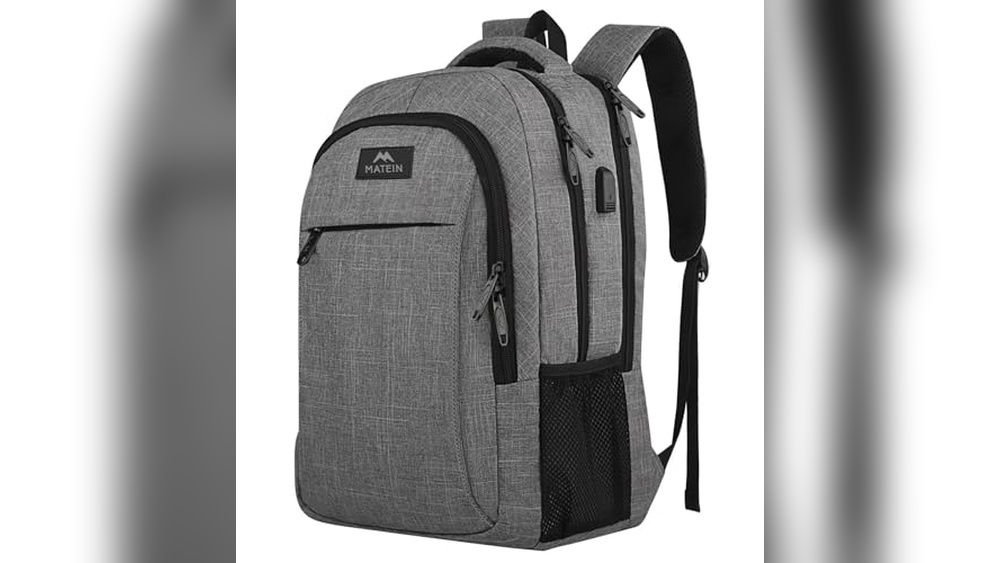
Are you ready to make your backpack truly your own? Learning how to sew backpack straps can save you money, give your bag a personal touch, and even make it more comfortable to carry.
Whether your old straps are worn out or you want to create a custom design, this guide will walk you through every step. By the end, you’ll have the skills to fix, replace, or upgrade your straps with confidence. Keep reading, and you’ll discover simple tips that make the whole process easier than you think.
Your perfect backpack starts here.
Choosing Materials
Choosing the right materials is key to sewing strong backpack straps. Good materials make the straps last longer and feel comfortable. This section helps you pick fabrics, padding, thread, and hardware. Each choice affects the strap’s strength and comfort.
Selecting Fabric Types
Choose fabric that is tough and can hold weight. Nylon and polyester are popular choices. They resist tears and water well. Canvas is another good option for a natural look. Avoid thin or stretchy fabrics. They do not support heavy loads.
Picking Suitable Padding
Padding makes straps soft and comfy. Foam padding is light and cushions the shoulders. Choose closed-cell foam for water resistance. Thicker foam offers more comfort but adds weight. Test different paddings for your comfort level.
Choosing Thread And Hardware
Use strong thread like polyester or nylon. These threads hold stitches under stress. Pick heavy-duty needles for thick materials. Choose metal or durable plastic buckles. These parts secure the strap and adjust length. Avoid weak hardware that breaks easily.
Measuring And Cutting
Measuring and cutting backpack straps is the first step in making strong, comfortable straps. Accurate measurements ensure the straps fit well and feel good on the shoulders. Cutting the right fabric and padding size helps keep the straps durable and soft.
Determining Strap Length
Start by measuring the length needed for your backpack straps. Use a soft tape measure to get the right size. Typical strap length ranges from 30 to 40 inches, but adjust it to fit your height and comfort. Remember to add extra length for adjusting buckles. Mark the measurement clearly on the fabric before cutting.
Cutting Fabric And Padding
Choose strong fabric like nylon or canvas for your straps. Cut the fabric slightly longer than your measured length. This extra length allows for folding and sewing seams. Next, cut foam or soft padding to match the fabric size. Padding adds comfort and prevents shoulder pain. Use sharp scissors for clean, straight cuts. Keep all pieces even to avoid uneven straps.
Preparing The Straps
Preparing the straps is a key step in sewing a strong backpack. It sets the base for comfort and durability. Taking time here helps avoid problems later. Follow these simple steps to prepare your straps right.
Layering Fabric And Padding
Start by cutting your fabric pieces for the straps. Use sturdy fabric like canvas or denim. Cut two pieces for each strap to create a strong base. Add a layer of padding between the fabric pieces. Foam or quilt batting works well for padding. This makes the straps soft and comfortable to wear. Place the padding evenly to avoid lumps. Make sure all layers match in size. This keeps the straps neat and balanced.
Pinning And Basting
Pin the fabric and padding layers together carefully. Use enough pins to hold everything in place. Check that the edges line up properly. Basting stitches help keep layers from shifting. Sew long, loose stitches along the edges. This is temporary and easy to remove later. Basting gives you control when sewing the final seam. It also prevents the padding from moving. With layers secured, you can sew the straps cleanly and accurately.
Sewing Techniques
Sewing backpack straps needs special care. The right sewing techniques make straps strong and long-lasting. Using simple, clear methods helps you create sturdy straps that hold weight well. Focus on three key techniques to sew straps that last: straight stitching, reinforcements, and adjustable loops.
Straight Stitch For Strength
Straight stitches form the base of strong backpack straps. This stitch runs in a straight line and holds fabric firmly. Use a tight stitch length to avoid gaps. Sew slowly to keep stitches even and neat. Straight stitching gives straps the strength to carry heavy loads.
Adding Reinforcements
Reinforcements stop straps from tearing under pressure. Sew extra lines or small shapes at stress points. Use backstitching to secure thread ends well. Reinforce where straps attach to the backpack and at strap ends. These extra stitches spread the load and increase durability.
Sewing Adjustable Loops
Adjustable loops let users change strap length. Fold fabric to make a loop, then stitch close to edges. Secure loops with several rows of stitching for stability. Make sure loops move smoothly but stay strong. Well-made loops add comfort and fit to your backpack straps.
Attaching Hardware
Attaching hardware to backpack straps is an important step. It helps to make the straps adjustable and strong. Using the right tools and methods ensures the straps hold well and last long. This section covers installing buckles and sliders and securing the ends of the straps.
Installing Buckles And Sliders
Start by choosing buckles and sliders that fit your strap width. Slide the strap through the buckle’s opening. Pull it tight to remove any slack. Make sure the buckle can move freely for adjustment.
Next, thread the strap through the slider. The slider controls how much the strap length can change. Adjust it to your desired length before securing the strap ends. Check the hardware fits well and stays in place.
Securing Ends
Cut the strap ends neatly to avoid fraying. Use a lighter or heat tool to seal synthetic strap edges. Sew the ends back onto the strap near the buckle or slider. Stitch multiple times for strong hold.
Double stitching or box stitching works best here. This keeps the hardware from slipping or loosening. Test the straps by pulling on them firmly. Properly secured ends make the backpack safer and more comfortable to wear.
Finishing Touches
Finishing touches are important for your backpack straps. They make the straps look neat and last longer. Taking time on these small steps improves your whole project. Let’s focus on two key finishing steps that help your straps stay strong and tidy.
Trimming Excess Threads
Cut off any loose threads carefully. Use sharp scissors to avoid fraying. Trim close to the fabric but do not cut the stitches. Clean edges give a professional look. Check all seams for stray threads. This step keeps your straps tidy and safe from unraveling.
Testing Strap Durability
Pull each strap firmly to check strength. Test the stitches by tugging in different directions. Look for any weak spots or loose threads. If you find any, sew over those areas again. Strong straps hold the backpack securely and last longer. This step ensures your backpack is ready to use.
Frequently Asked Questions
How Do I Choose Fabric For Backpack Straps?
Choose strong, durable fabric like nylon or canvas for backpack straps. These materials resist wear and provide comfortable support during use.
What Tools Are Needed To Sew Backpack Straps?
You need a sewing machine, heavy-duty thread, scissors, pins, measuring tape, and strap webbing for sewing backpack straps.
How Long Should Backpack Straps Be For Comfort?
Backpack straps should be adjustable, typically 18 to 24 inches long, to ensure comfort and proper fit.
Can I Sew Padded Straps For Extra Comfort?
Yes, add foam or batting inside fabric layers to sew padded straps for improved comfort and support.
Conclusion
Sewing backpack straps can be simple and rewarding. With practice, your skills will improve quickly. Use strong materials to make straps last longer. Remember to measure twice and sew carefully. Adjust strap length to fit comfortably on your shoulders. Enjoy creating backpacks that suit your style.
Keep experimenting with different fabrics and designs. Soon, sewing straps will feel natural and fun. Your handmade backpack will be sturdy and unique. Keep sewing, and don’t give up!