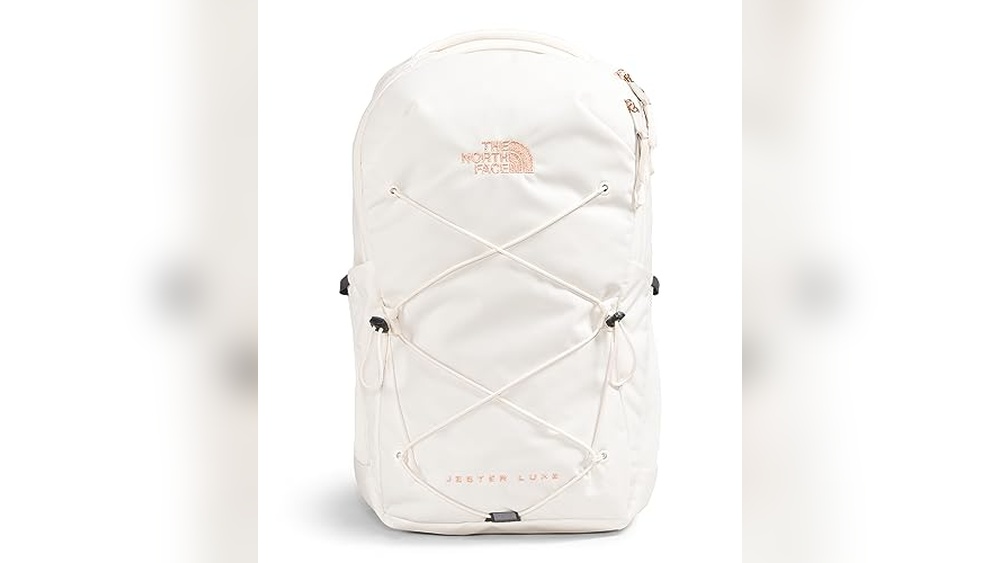
Have you ever been out with your backpack only to find the zipper stuck or broken? It’s frustrating and can ruin your day.
But before you think about buying a new backpack, what if you could fix that zipper yourself? Repairing your backpack zipper is easier than you might think. In this guide, you’ll learn simple, step-by-step tricks to bring your zipper back to life.
Keep reading, and you’ll never have to worry about a broken zipper slowing you down again.
Common Zipper Problems
Zippers on backpacks often face problems that stop them from working well. Knowing these common zipper problems helps in fixing them fast. This section explains the usual zipper issues you might see.
Stuck Zipper
A zipper gets stuck when fabric or thread blocks its teeth. Dirt or rust can also make it hard to move. Gently pulling and cleaning the zipper usually frees it.
Misaligned Teeth
Teeth that do not line up cause the zipper to open or jam. This happens after rough use or bending. Fixing this means pressing the teeth back into place carefully.
Broken Slider
The slider moves the zipper teeth together. A broken slider cannot close the zipper. Replacing the slider is often the best fix for this problem.
Detached Pull Tab
The pull tab helps move the slider easily. It can break or fall off over time. You can fix it by attaching a new pull tab or using a paperclip as a quick fix.
Tools You’ll Need
Repairing a zipper on a backpack requires a few simple tools. Having the right tools makes the job easier and faster. You may already have some tools at home. Others can be bought cheaply at a store. Gather these before starting your repair.
Basic Repair Kit
A basic repair kit usually includes needle and thread. Choose thread that matches the backpack color. Small pliers help to move zipper teeth or pull sliders. A replacement zipper slider can fix broken or stuck zippers. Scissors are useful for cutting loose threads or fabric.
Household Items
Many household items work well for zipper repair. A paperclip can act as a temporary zipper pull. A pencil or bar of soap can lubricate stuck zippers. Tweezers help to remove debris stuck in zipper teeth. Clear nail polish can seal small zipper splits and stops.
Fixing A Stuck Zipper
A stuck zipper on a backpack can cause frustration. It stops you from opening or closing your bag easily. Fixing this problem quickly saves time and avoids damage. Simple steps can help make the zipper work smoothly again.
Lubricating The Zipper
Dry zippers often get stuck. Adding a little lubricant helps the zipper slide easily. Use a pencil, soap, or wax to rub on the zipper teeth. Move the zipper pull back and forth to spread the lubricant. This method reduces friction and frees the zipper.
Freeing Jammed Fabric
Sometimes fabric gets caught inside the zipper teeth. Gently pull the fabric away while moving the zipper pull slowly. Use tweezers to remove any stuck threads or cloth bits. Be careful not to tear the fabric or break the zipper. Patience is key to release jammed material without damage.
Realigning Zipper Teeth
Realigning zipper teeth can fix many backpack zipper problems. Zipper teeth must line up correctly to open and close smoothly. Misaligned teeth cause the zipper to jam or separate. Realigning these teeth saves time and money. This section explains how to realign zipper teeth easily.
Straightening Bent Teeth
Bent zipper teeth block smooth movement. Use a pair of pliers to gently straighten bent teeth. Grip the tooth firmly but do not squeeze hard. Move the tooth back to its original position slowly. Check the zipper after straightening each tooth. Repeat the process until all teeth look even. Straight teeth help the zipper close without catching.
Securing Loose Teeth
Loose teeth cause zipper gaps and weak spots. Identify loose teeth by running your finger along the zipper. Use small pliers to press loose teeth firmly onto the zipper tape. Press both sides of the tooth carefully and evenly. Avoid pressing too hard to prevent breaking the tooth. Secure teeth improve zipper strength and durability. Test the zipper after securing teeth for smooth action.
Replacing A Broken Slider
Replacing a broken slider can fix your backpack’s zipper quickly. The slider is the part that moves up and down to open or close the zipper. A damaged slider stops the zipper from working. Changing it is easier than you think. Follow these steps to replace the slider and make your backpack work like new.
Removing The Old Slider
First, find the zipper stop at the top or bottom. Use pliers to gently remove the stop. Slide the broken slider off the zipper teeth carefully. Check the zipper teeth for any damage. Clean the area if needed. Removing the old slider makes room for the new one.
Installing A New Slider
Choose a new slider that matches the zipper size. Align it with the teeth on the zipper tape. Push the slider onto the teeth from the open end. Move it up and down to ensure smooth movement. Replace the zipper stop to hold the slider in place. Test the zipper several times to confirm it works well.
Reattaching Or Replacing The Pull Tab
The pull tab on a backpack zipper often breaks or falls off. Fixing it is easy and saves money. You can either reattach the old tab or replace it with a new one. Both ways help the zipper work smoothly again. Below are simple steps to fix the pull tab quickly.
Using A Paperclip Or Keyring
A paperclip or keyring can serve as a temporary pull tab. Unfold a paperclip into a small hook shape. Slip it through the hole where the tab broke off. Twist it to close the loop tightly. The paperclip will act as a handle to open and close the zipper.
A keyring works well too. Remove keys and slide the ring through the zipper loop. The round shape fits nicely and feels comfortable to pull. This fix lasts until you get a proper replacement pull tab.
Attaching A New Pull Tab
Buy a replacement pull tab from a craft or sewing store. Use pliers to open the small metal ring on the new tab. Slide the ring through the zipper slider hole. Close the ring tightly with the pliers. Check that the new tab moves smoothly and holds firm.
Choose a pull tab size that fits your zipper. Some come with fabric or leather tabs. These offer a better grip and last longer. Replacing the pull tab keeps your backpack looking neat and working well.
Preventive Maintenance Tips
Preventive maintenance helps keep your backpack zipper working well. It stops problems before they start. A little care can save time and money. Follow simple steps to extend your zipper’s life.
Regular Cleaning
Dirt and dust can block zipper teeth. Clean your zipper often using a soft brush. A dry toothbrush works well to remove dirt. Avoid water on metal zippers to stop rust. For plastic zippers, use a damp cloth gently.
After cleaning, dry the zipper completely. This prevents mold and corrosion. Keeping the zipper clean helps it move smoothly. It also stops small problems from growing.
Proper Usage
Use the zipper gently and avoid pulling hard. Pull straight along the zipper line, not at an angle. Force can break the slider or teeth. Make sure the zipper is fully open before putting items in.
Don’t overstuff your backpack. Pressure can stress the zipper and cause damage. Close the zipper slowly to avoid catching fabric. These small habits protect your zipper and keep it working.
Frequently Asked Questions
How Do I Fix A Stuck Zipper On My Backpack?
Use a lubricant like soap or graphite pencil on the teeth. Gently move the zipper back and forth until it loosens. Avoid forcing it to prevent damage.
Can I Replace A Broken Zipper Slider Myself?
Yes, you can replace it using pliers and a new slider. Remove the old slider carefully, then attach the new one. Ensure it fits your zipper size for smooth operation.
What Tools Are Needed To Repair A Backpack Zipper?
Basic tools include pliers, a replacement slider, needle, and thread. Lubricants like soap or graphite pencil help with stuck zippers. These simple tools handle most zipper repairs efficiently.
How To Prevent Backpack Zippers From Breaking?
Avoid overstuffing your backpack to reduce zipper strain. Regularly clean and lubricate zipper teeth. Handle zippers gently to extend their life and prevent damage.
Conclusion
Fixing a backpack zipper can save time and money. Small tools and patience help a lot. Check the zipper teeth and slider closely. Cleaning and realigning often solve the problem. Don’t rush; work step by step. A smooth zipper makes your backpack last longer.
Keep practicing these easy steps for future repairs. Your backpack will stay ready for every trip. Simple fixes can make a big difference. Try repairing before buying a new backpack.