Have you ever picked up your backpack and wondered, “How much does this really weigh?” Whether you’re heading to school, work, or an outdoor adventure, knowing your backpack’s weight matters more than you might think.
Too heavy, and you risk discomfort or even injury. Too light, and you might be missing something important. You’ll discover the surprising facts about backpack weights and learn how to pack smarter. Keep reading to find out exactly what goes into that load on your shoulders—and how to make it easier to carry every day.
Credit: santiagoinlove.com
Average Backpack Weights
Backpacks come in many sizes and weights. Knowing the average backpack weight helps plan your trip and pack smart. Weight depends on the backpack type and trip length. Here is a simple guide to average backpack weights for different uses.
Daypacks
Daypacks are small backpacks for short trips or daily use. They usually weigh between 1 to 3 pounds when empty. Filled with essentials like water, snacks, and a jacket, they often weigh 5 to 10 pounds. Daypacks are light and easy to carry all day.
Weekend Backpacks
Weekend backpacks hold more gear for 2 to 3 days. Empty, they weigh around 3 to 5 pounds. Packed with clothes, food, and camping gear, they can weigh 15 to 25 pounds. Weekend backpacks balance weight and space for short adventures.
Extended Trip Backpacks
Extended trip backpacks are large and made for long journeys. These backpacks weigh 5 to 7 pounds empty. Loaded with supplies for several days or weeks, they can weigh 30 to 50 pounds or more. Choosing a backpack with good support is key for long trips.
Credit: www.hiline.cfschools.org
Factors Affecting Backpack Weight
Backpack weight varies a lot. Several factors change how heavy a backpack feels. Knowing these factors helps you pack smart and carry less strain.
Material And Build
The type of material affects backpack weight. Lightweight fabrics like nylon weigh less. Heavy materials like leather add more weight. The frame also matters. Metal frames add weight, while plastic or no frame makes it lighter. Strong zippers and extra padding add weight too.
Packed Items
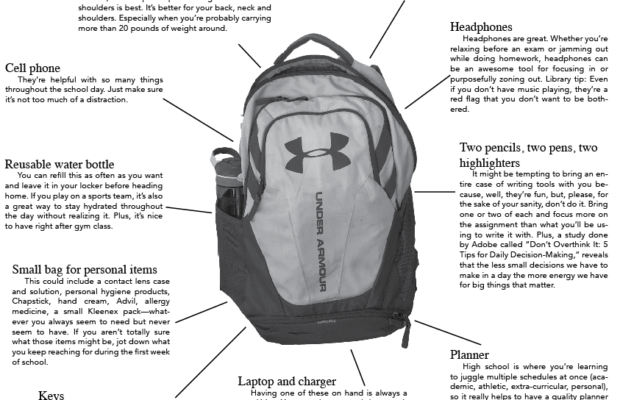
The stuff inside the backpack changes its weight. Clothes, books, and food all add pounds. Bulky items take up space and make the pack heavy. Water bottles can be heavy, especially if full. Packing only what you need helps keep weight down.
Additional Gear
Extra gear can increase weight fast. Electronics like laptops and cameras add pounds. Camping gear, such as tents and sleeping bags, also add weight. Tools or sports equipment make the backpack heavier. Choose gear carefully to keep the load light.
Weight Recommendations For Travelers
Travelers must think about backpack weight to stay comfortable and safe. Carrying too much weight can cause pain and slow you down. The right weight depends on your trip type and how long you travel. Knowing weight limits helps pack smart and enjoy your journey.
Ideal Weight For Comfort
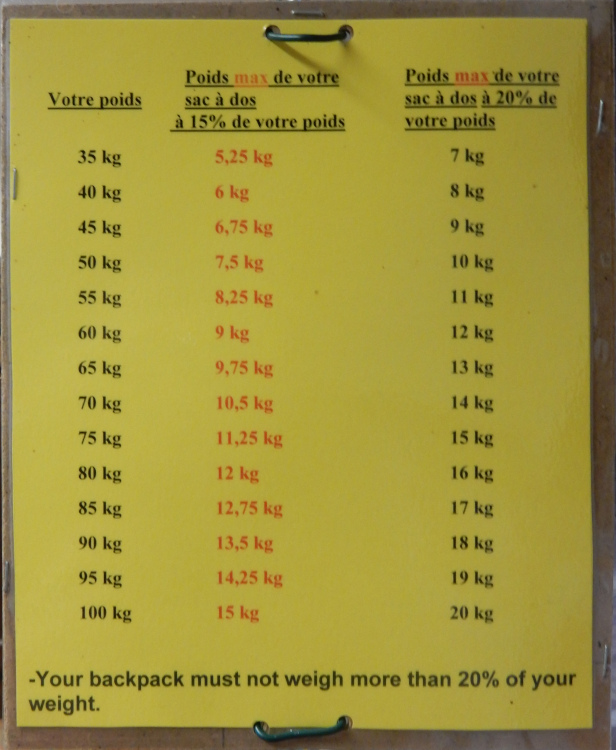
For most travelers, keeping the backpack under 20% of body weight is best. For example, if you weigh 150 pounds, carry no more than 30 pounds. This weight reduces strain on your back and shoulders. Lighter loads mean less fatigue and more energy for activities.
Weight Limits By Trip Type
Day trips need lighter packs, usually under 10 pounds. You only carry essentials like water, snacks, and a jacket. Overnight trips require more gear, so 20 to 30 pounds is normal. Long hikes or camping may need heavier packs, but try not to exceed 35 pounds. Adjust your load based on trip length and terrain difficulty.
Tips For Light Packing
Choose lightweight gear to cut down pack weight. Pack clothes you can mix and match. Bring only what you truly need. Use travel-sized toiletries and multi-use items. Roll clothes to save space and reduce wrinkles. Keep heavier items close to your back for balance. These tips help keep your backpack light and easy to carry.
Credit: eph.org
Impact Of Backpack Weight On Travel
The weight of a backpack plays a big role in travel comfort and ease. Carrying a heavy pack can affect your body and how you move. It also changes how safe you feel during your journey. Understanding these effects helps you pack smarter and travel better.
Physical Strain
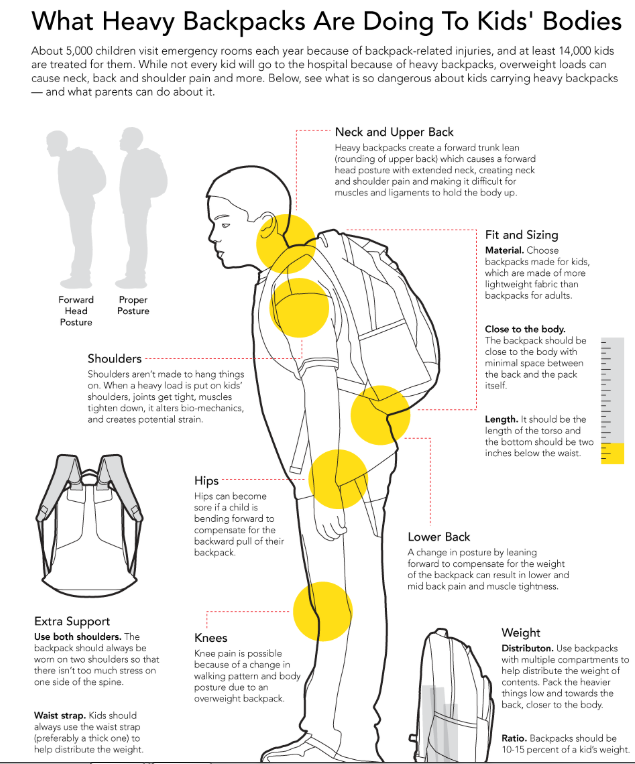
Heavy backpacks cause tired muscles and sore backs. Carrying too much weight leads to pain in shoulders and neck. Over time, this strain can cause long-term body problems. Keeping your backpack light reduces muscle stress and makes walking easier.
Mobility And Convenience
Light backpacks allow quick and easy movement. They help you walk faster and climb stairs without trouble. Bulky bags slow you down and make it hard to move in crowds. Small, light packs fit better in tight spaces like buses or planes.
Safety Considerations
Heavy backpacks can affect your balance and increase fall risk. Uneven weight may cause you to trip or lose footing. A lighter pack improves stability, especially on uneven ground. It also reduces fatigue, helping you stay alert and safe.
Choosing The Right Backpack Size
Choosing the right backpack size is key to a comfortable trip. A backpack that is too big or too small can cause pain and slow you down. Picking the right size helps carry only what you need. It also keeps your load balanced and light.
Matching Size To Trip Length
Short trips need smaller backpacks. A 20-30 liter pack works well for day hikes or short stays. For trips lasting several days, choose a bigger size. A 40-60 liter pack holds clothes, food, and gear. Longer trips often require packs over 60 liters. This gives space for extra items and supplies.
Adjustable Features
Look for backpacks with adjustable straps and hip belts. These let you fit the pack to your body shape. Shoulder straps should be padded and easy to tighten or loosen. Hip belts carry much of the pack’s weight. Adjust them to sit on your hips, not your waist. Proper adjustment reduces strain and improves comfort.
Weight Distribution
Good weight distribution keeps you balanced and steady. Pack heavy items close to your back and near the center. This reduces pressure on your shoulders. Use compartments and straps to keep gear stable. A well-packed backpack feels lighter and easier to carry.
Weighing And Managing Your Backpack
Knowing the weight of your backpack helps avoid carrying too much. Managing the weight makes travel and hiking easier. It also protects your back and shoulders from strain. The best way to handle this is by weighing your backpack regularly. Small steps in packing can reduce the load and keep you comfortable.
Using Scales
Use a small digital scale to weigh your backpack. Hang the bag by its handle or straps on the scale. Check the weight before leaving home or camp. This method gives an accurate reading of your load. Use a kitchen or luggage scale for easy carrying and measuring.
Packing Strategies
Place heavy items close to your back. Distribute weight evenly on both sides. Use smaller bags or pouches inside to organize gear. Avoid packing too many items that you don’t need. Remove unnecessary things to keep the backpack light.
Regular Weight Checks
Weigh your backpack daily during trips. Adjust the contents if the bag feels too heavy. Keep track of weight changes after adding or removing gear. Regular checks prevent unexpected strain on your body. Staying aware of weight helps you pack smarter next time.
Lightweight Backpacking Tips
Carrying a light backpack makes hiking more fun and less tiring. Every extra pound slows you down and uses more energy. Use smart choices to keep your pack weight low. This lets you walk longer and enjoy nature more. Here are some tips to pack light without missing what you need.
Essential Gear Only
Bring only what you really need. Avoid items that serve no clear purpose. Check each item before packing. Leave behind anything that is a “maybe” or “just in case.” Focus on safety and comfort. This keeps your backpack light and easy to carry.
Multi-purpose Items
Choose gear that does more than one job. A pot that works for cooking and washing saves space. Clothes that dry quickly and keep you warm cut down extra layers. Tools that combine functions reduce what you carry. This helps cut weight and bulk.
Clothing Choices
Pick lightweight and quick-dry clothes. Avoid cotton because it stays wet and heavy. Use layers to stay warm instead of one thick jacket. Wear clothes that fit well and don’t add extra weight. Proper clothing keeps you comfortable and your pack lighter.
Frequently Asked Questions
How Much Does An Average Backpack Weigh?
An average empty backpack typically weighs between 1 to 3 pounds. The weight depends on size and materials used. Larger backpacks or those with extra features usually weigh more.
What Factors Affect A Backpack’s Weight?
Backpack weight depends on material, size, frame type, and included accessories. Durable fabrics and internal frames add weight. Additional pockets and padding also increase the overall weight.
How Heavy Should A Loaded Backpack Be?
A loaded backpack should not exceed 20-25% of your body weight. Carrying too much weight can cause discomfort and injury. Proper packing and weight distribution are essential.
Do Hiking Backpacks Weigh More Than School Backpacks?
Yes, hiking backpacks often weigh more due to reinforced materials and frames. They are designed to carry heavier loads and provide durability. School backpacks are usually lighter and simpler.
Conclusion
Backpack weight depends on size, material, and contents. A small daypack weighs less than a big hiking pack. Heavy items add more weight, so pack wisely. Choose lightweight gear to keep your load light. Comfort matters; a lighter backpack reduces strain.
Knowing weight helps you plan trips better. Carry only what you need for ease. Balance weight for a safer, more enjoyable journey. Simple steps lead to better backpacking experiences. Keep your backpack light and enjoy your adventures.