Have you ever dreamed of leading others through breathtaking trails and hidden gems? Becoming a backpacking guide could be your chance to turn that dream into reality.
Imagine sharing your love for nature while helping others explore the wild safely and confidently. But how do you get started? What skills do you need, and how can you stand out in this exciting field? Keep reading, and you’ll discover everything you need to know to become a successful backpacking guide—step by step.
Your adventure begins here.
Credit: www.youtube.com
Skills Needed
Being a backpacking guide requires more than just love for the outdoors. You must have a set of important skills to keep the group safe and happy. These skills help you lead confidently and handle any challenges on the trail.
Navigation Techniques
Knowing how to read maps is crucial. You should use a compass and GPS to find your way. Recognize landmarks and understand terrain features to avoid getting lost. Practice plotting routes before each trip. This skill helps keep the group on track and saves time.
First Aid Essentials
Basic first aid knowledge is a must. Learn how to treat cuts, sprains, and insect bites. Know how to handle emergencies like heatstroke or hypothermia. Carry a well-stocked first aid kit on every trip. Being prepared can prevent small injuries from becoming serious.
Group Management
Managing a group means keeping everyone together and motivated. Communicate clearly and listen to everyone’s needs. Set a pace that suits all members. Handle conflicts calmly and fairly. Your leadership creates a positive and safe hiking experience for all.
Credit: www.the-hungry-hiker.com
Training And Certification
Training and certification are key to becoming a skilled backpacking guide. They build your knowledge and boost your confidence. Proper training helps you handle emergencies and keep clients safe. Certifications show that you meet professional standards. This section covers important courses and ongoing learning to grow as a guide.
Wilderness Safety Courses
Wilderness safety courses teach vital survival skills. Learn how to treat injuries and prevent accidents. First aid and CPR training are essential. These courses prepare you for unexpected situations outdoors. Knowing how to stay safe protects both you and your group.
Guiding Certifications
Guiding certifications prove your expertise. Organizations like the American Mountain Guides Association offer recognized programs. These certifications cover navigation, group management, and environmental ethics. They build trust with clients and employers. Holding a certification increases your chances of getting hired.
Continuous Learning
Learning never stops as a backpacking guide. Stay updated on new techniques and equipment. Attend workshops and read outdoor safety materials. Practice skills regularly to keep them sharp. Continuous learning improves your service and keeps clients safe.
Planning Trips
Planning trips is the first step to becoming a good backpacking guide. It sets the tone for a safe and fun adventure. Careful planning helps avoid problems and surprises during the trip. It also makes sure everyone enjoys the experience and stays safe.
Good planning covers choosing the route, preparing gear, and checking risks. Each part is important to create a smooth trip. Focus on details and think ahead to keep the group happy and protected.
Route Selection
Choose a route that matches the group’s skill and fitness level. Study maps and trail guides to find the best path. Consider the distance, elevation, and weather conditions. Plan rest stops and camping spots. Pick routes with clear landmarks for easy navigation.
Gear Preparation
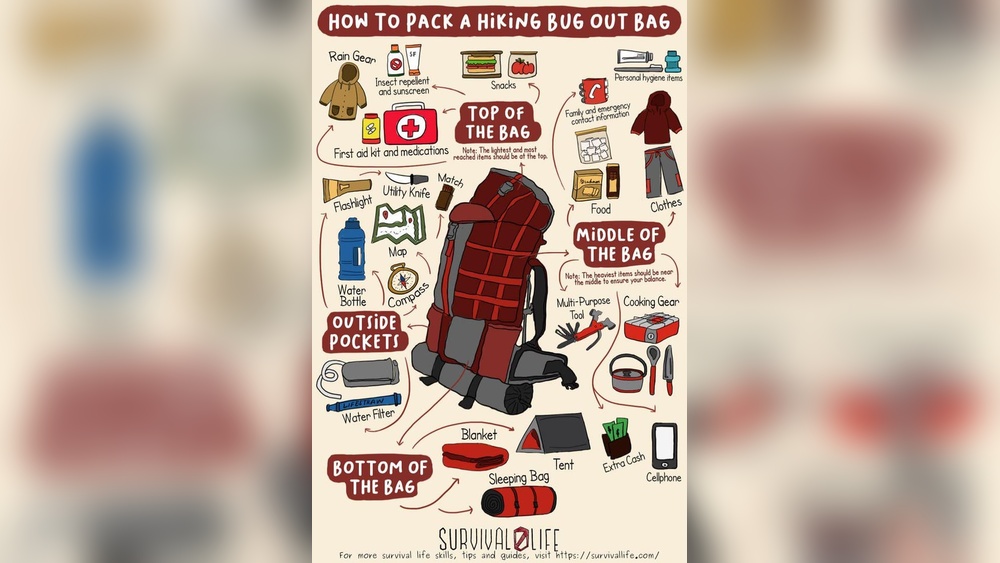
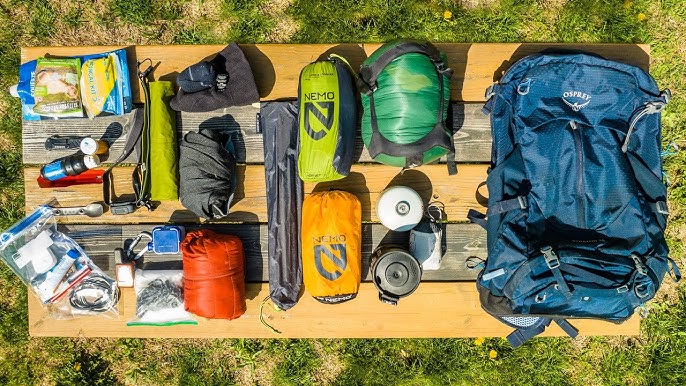
Make a list of all necessary gear before the trip. Include basics like tents, sleeping bags, and cooking tools. Check each item for damage or wear. Pack extra supplies for emergencies. Teach the group how to use the gear properly.
Risk Assessment
Identify possible dangers on the route. Think about wildlife, weather changes, and terrain challenges. Prepare first aid kits and emergency plans. Share safety tips with the group. Always have a way to call for help if needed.
Communication Tips
Clear communication is key for any backpacking guide. It helps keep clients safe and happy. Good communication also builds trust and teamwork. Here are some tips to improve your communication skills.
Client Interaction
Speak clearly and use simple words. Check if clients understand your instructions. Listen carefully to their questions and concerns. Be patient and friendly to make them feel comfortable. Explain safety rules and trail details before starting.
Emergency Protocols
Know emergency plans well. Give clear, calm instructions during a crisis. Use short sentences to avoid confusion. Make sure clients know what to do if something goes wrong. Practice emergency drills with your group regularly.
Team Coordination
Keep in touch with other guides and helpers. Use radios or signals for quick updates. Share important information about the trail and weather. Support each other to solve problems fast. Regular check-ins help everyone stay on track.
Building Experience
Building experience is the foundation of becoming a skilled backpacking guide. It shapes your knowledge and confidence for real-world adventures. Gaining hands-on experience helps you lead groups safely and enjoyably. Practical skills matter more than just theory.
Volunteering Opportunities
Volunteering offers a chance to learn by doing. Join local parks, nature reserves, or outdoor clubs. Help with trail maintenance or assist other guides. This work builds your outdoor skills and teamwork. It also shows your passion for nature and guiding.
Apprenticeships
Apprenticeships pair you with experienced guides. Observe their techniques and safety methods closely. Take on small tasks and grow your responsibilities. This direct training speeds up your learning process. It also prepares you for real guiding challenges.
Networking With Experts
Meet other backpacking guides and outdoor professionals. Attend workshops, meetups, or outdoor events. Ask questions and share your experiences. Building connections opens doors to new opportunities. Learning from others makes you a better guide.
Marketing Yourself
Marketing yourself as a backpacking guide is key to building trust and attracting clients. It helps you show your skills and experience clearly. Good marketing sets you apart from others. It makes people want to choose you for their adventure.
Creating A Portfolio
A portfolio shows your work and skills in one place. Include photos from trips you guided. Add maps of routes you know well. Write short stories about your experiences. Show any certificates or training you have earned. Keep it neat and easy to read. A strong portfolio makes clients feel confident in your abilities.
Using Social Media
Social media is a great tool to share your work. Post pictures and videos of your trips. Share tips about backpacking and safety. Engage with followers by answering questions. Use clear and simple language. Consistent posts help people remember you. Social media helps you reach more clients every day.
Client Testimonials
Client testimonials are powerful proof of your skills. Ask past clients to write short reviews. Highlight their positive experiences and your support. Display these testimonials on your website and social pages. Real feedback builds trust and shows your reliability. Honest words from clients attract new adventurers.
Handling Challenges
Handling challenges is a key skill for any backpacking guide. Difficult situations can arise at any moment. Being ready helps keep the group safe and happy. It also builds trust and confidence among the hikers.
Weather Issues
Weather can change fast in the outdoors. Rain, wind, or heat can affect the group’s safety. A good guide checks weather reports before the trip. They watch the sky for sudden changes. Guides carry proper gear like rain jackets and sun hats. They choose safe routes and shelter spots. Clear communication helps the group stay calm and prepared.
Health Emergencies
Health problems may happen during a hike. Guides should know basic first aid and CPR. Carrying a well-stocked first aid kit is essential. Check for allergies and medical needs before the trip. In case of injury or illness, stay calm and act fast. Call for help if needed. Keeping water and snacks helps prevent common issues like dehydration and fatigue.
Group Dynamics
Groups have different personalities and energy levels. A guide must keep everyone motivated and involved. Clear rules and expectations reduce conflicts. Listening to group members builds trust and respect. Encourage teamwork and positive attitudes. Managing breaks and pace helps avoid frustration. A happy group enjoys the trip more and stays safe.

Credit: www.worldpackers.com
Frequently Asked Questions
What Skills Are Essential To Become A Backpacking Guide?
Key skills include navigation, first aid, communication, and survival knowledge. Guides must lead groups safely in diverse terrains. Leadership and problem-solving are also crucial for handling unexpected situations during trips.
How Do I Get Certified As A Backpacking Guide?
Certification often requires first aid training, wilderness survival courses, and guiding experience. Look for programs offered by recognized outdoor organizations. These credentials boost credibility and ensure safety standards are met.
What Gear Is Necessary For Backpacking Guides?
Essential gear includes maps, GPS devices, first aid kits, and weather-appropriate clothing. Guides carry extra supplies for emergencies. Proper footwear, backpacks, and navigation tools are vital for successful trips.
How Can I Attract Clients As A Backpacking Guide?
Build a strong online presence through websites and social media. Offer unique trips and excellent customer service. Collect positive reviews and network with outdoor communities to grow your client base.
Conclusion
Becoming a backpacking guide takes patience and practice. Learn the trails, know the gear, and stay safe. Share your love for nature with others. Keep improving your skills every day. Trust your instincts and lead with care. Enjoy the adventure and the people you meet.
This path brings freedom and joy. Start small, dream big, and keep moving forward.