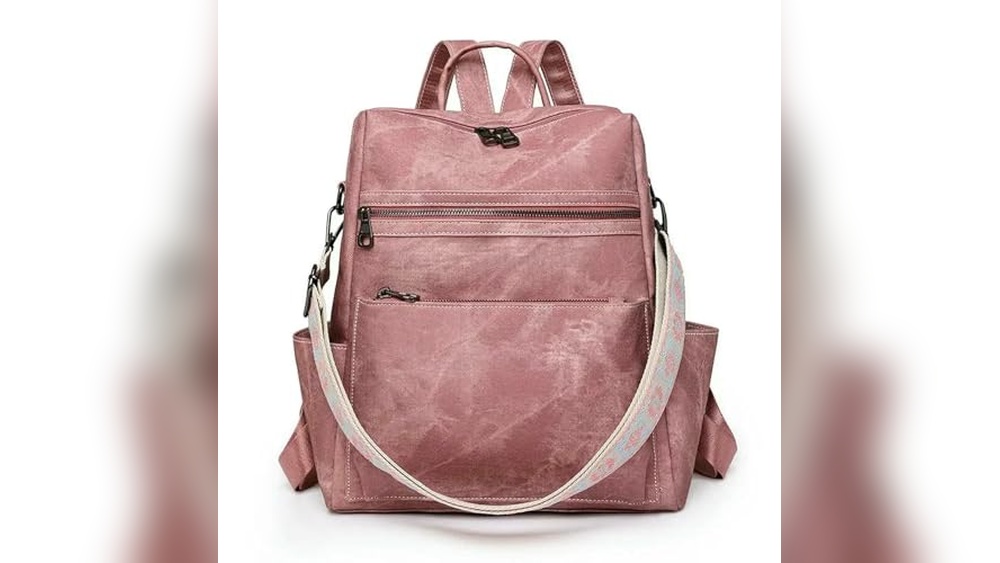
Have you ever worried about your backpack being stolen while you’re out and about? You’re not alone.
Keeping your belongings safe is a top priority, but buying an expensive anti-theft backpack isn’t the only solution. What if you could make your own anti-theft backpack, customized just for you? You’ll discover simple, practical steps to turn your regular backpack into a secure companion.
By the end, you’ll feel confident knowing your things are protected wherever you go. Ready to learn how? Let’s dive in.

Credit: www.amazon.com
Choosing The Right Backpack
Choosing the right backpack is the first step in making an anti-theft backpack. The right backpack protects your belongings and stays comfortable to carry. It needs to be strong and have smart compartments. Your choice affects safety and daily use.
Material And Durability
Pick a backpack made from tough materials like nylon or polyester. These materials resist tears and water. A durable backpack lasts longer and protects your items better. Look for backpacks with reinforced stitching. Strong zippers add extra security and durability.
Size And Compartments
Choose a size that fits your needs. Not too big or too small. Compartments help keep things organized and safe. A hidden compartment is good for valuables like a wallet or phone. Separate sections reduce clutter and make access easier.
Comfort And Fit
Comfort matters for daily use. Adjustable straps help fit the backpack to your body. Padded straps and back panels reduce strain. A good fit keeps the backpack close to your body. This makes it harder for thieves to grab it.

Credit: int.pacsafe.com
Essential Anti-theft Features
Choosing the right features is key to making an effective anti-theft backpack. These features protect your belongings from theft and give you peace of mind. Each feature plays a special role in keeping your items safe. Let’s explore the essential anti-theft features you need to include.
Lockable Zippers
Lockable zippers stop thieves from opening your backpack easily. You can use small padlocks or built-in locks to secure the zippers. This simple feature adds a strong layer of protection. It makes it harder for anyone to access your things without your permission.
Hidden Pockets
Hidden pockets keep valuables out of sight and reach. These pockets are usually inside or under flaps. They are perfect for storing wallets, phones, and important documents. Thieves often ignore these pockets because they are not easy to find.
Cut-resistant Materials
Cut-resistant materials protect your backpack from slashing attacks. Materials like steel mesh or thick fabrics make cutting difficult. This feature stops thieves from quickly slicing open your bag. It ensures your belongings stay safe even in crowded places.
Rfid Protection
RFID protection blocks signals that steal credit card information. Special lining inside the backpack stops scanners from reading your cards. This feature guards against electronic pickpocketing. It helps keep your personal data secure while you travel.
Tools And Materials Needed
Building an anti-theft backpack requires the right tools and materials. These items help create a strong and secure bag. Each part adds to the backpack’s safety and durability. Gather everything before starting the project.
Basic Sewing Supplies
You need needles, thread, and scissors for sewing. Choose strong, durable thread for better strength. A sewing machine helps speed up the work. Pins and fabric chalk mark where to sew. A measuring tape ensures correct size and fit.
Lock Mechanisms
Locks keep zippers and compartments safe. Use combination locks or key locks for security. TSA-approved locks allow safe travel through airports. Hidden zipper locks prevent thieves from opening bags. Choose locks that fit the backpack design.
Reinforcement Fabrics
Strong fabrics protect the backpack from cuts and tears. Use materials like nylon or polyester for durability. Slash-proof fabric adds extra safety against knife attacks. Reinforce seams with extra stitching or fabric layers. Choose water-resistant fabric to protect belongings from rain.
Security Accessories
Security cables and steel wire prevent bag theft. RFID-blocking pockets protect cards from electronic theft. Anti-theft zippers hide or lock compartments. Reflective strips increase visibility at night. Use accessories that fit your travel needs and style.
Step-by-step Assembly
Building an anti-theft backpack takes careful steps. Each part adds to the safety and usefulness. Follow this guide to make your own secure bag. Keep your belongings safe wherever you go.
Preparing The Backpack Base
Start with a strong, durable backpack. Choose one with thick fabric and good stitching. Check the seams for extra strength. Remove any unnecessary parts to make space for upgrades. A solid base keeps the bag safe and comfortable.
Adding Lockable Zippers
Replace regular zippers with lockable ones. Use small padlocks or built-in lock zippers. Attach the zippers so they meet in the center. This stops thieves from opening the bag easily. Lockable zippers protect your valuables during travel.
Incorporating Hidden Compartments
Create secret pockets inside the backpack. Use fabric that matches the bag’s interior. Sew small pouches in hard-to-find spots. Hide wallets, keys, or phones in these compartments. Hidden spaces add a layer of security.
Installing Cut-resistant Layers
Insert cut-proof materials inside the backpack walls. Use steel mesh or strong fabric like Kevlar. Attach these layers between the outer and inner fabric. This stops thieves from slashing the bag open. Cut-resistant layers keep your items safe.
Attaching Rfid Blocking Liners
Line pockets with RFID blocking material. This stops electronic pickpocketing of credit cards. Sew the liner inside the main compartments. Use lightweight, flexible fabric for comfort. RFID liners protect your personal data from thieves.
Testing Security Features
Testing security features is a key step in making an anti-theft backpack. It shows how well your design protects against theft. This testing helps find weak points before using the backpack daily.
Check every part that promises safety. Make sure locks, zippers, and materials work as planned. Testing also ensures the backpack stays strong and feels good to wear.
Lock Functionality
Test all locks by using them many times. Check if they open only with the right key or code. Try to force them open to see if they hold tight. Locks should not jam or break easily. Good locks keep your items safe and give peace of mind.
Durability Checks
Push and pull the backpack to test strength. Look for weak spots in stitching and fabric. Try cutting the material lightly to check cut resistance. Drop the backpack from waist height to see if parts break. Strong materials stop thieves from breaking in quickly.
Comfort Assessment
Wear the backpack for some hours. Check if straps feel soft and do not dig into your shoulders. See if the backpack balances weight well on your back. Test if padding protects your belongings without adding bulk. A comfortable backpack makes daily use easy and safe.
Maintenance And Upgrades
Keeping your anti-theft backpack in good shape is important. Regular care helps it last longer and work better. Small fixes and upgrades improve security and comfort. This section explains how to maintain and upgrade your backpack easily.
Regular Inspections
Check your backpack often for signs of damage. Look at zippers, seams, and locks. Make sure all parts move smoothly. Spot problems early to avoid bigger issues later. Clean dirt and dust to keep materials strong.
Replacing Worn Parts
Replace broken zippers or torn straps quickly. Use parts made for your backpack model. Fixing worn parts keeps your backpack safe and reliable. A strong strap and working zipper protect your belongings. Don’t wait until parts break completely.
Adding New Security Gadgets
Add extra locks or RFID-blocking pockets for better protection. Choose gadgets that fit your backpack’s design. Small devices like alarms can alert you to theft attempts. Upgrading security tools keeps your items safer. Change gadgets based on your daily needs.
Tips For Using Your Backpack Safely
Using your anti-theft backpack safely is important to protect your belongings. Simple habits keep your items secure and give you peace of mind. Follow these tips to use your backpack smartly and stay safe.
Smart Packing Strategies
Place valuable items deep inside the backpack. Use inner compartments with zippers for extra security. Avoid overpacking to keep the bag light and easy to carry. Organize your things so you can find them quickly. This reduces the need to open your bag often in public.
Traveling With Confidence
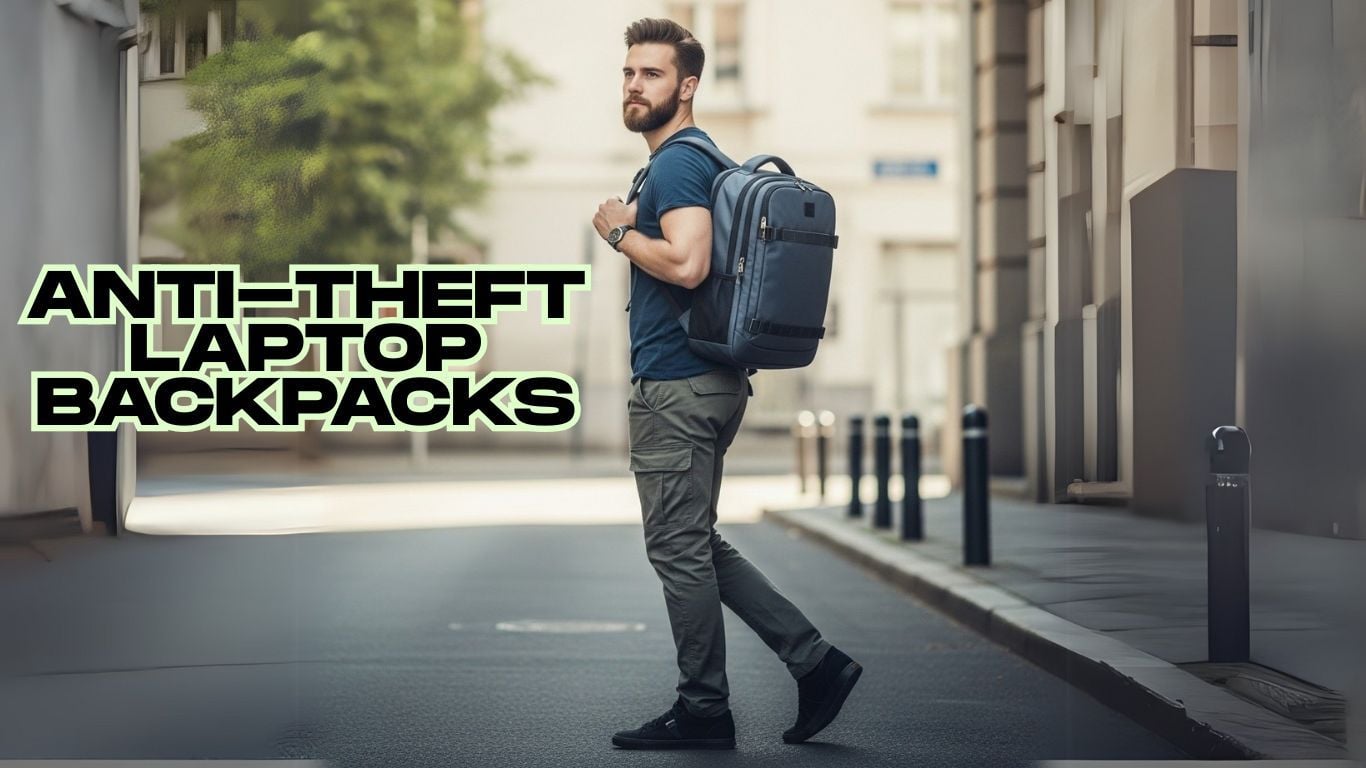
Keep your backpack close to your body at all times. Wear it on your front in crowded places. Check your bag regularly without drawing attention. Avoid leaving it unattended, even for a short time. Stay aware of your surroundings and trust your instincts.
Storing When Not In Use
Store your backpack in a safe, dry place. Avoid leaving it on the floor or in public areas. Use a lock or cover if you store it in shared spaces. Clean your bag regularly to keep it in good condition. Proper storage helps maintain its anti-theft features.
Credit: www.everki.com
Frequently Asked Questions
What Materials Are Best For Making An Anti Theft Backpack?
Durable, cut-resistant fabrics like ballistic nylon or polyester are ideal. Use lockable zippers and RFID-blocking pockets to enhance security.
How Do I Add Anti Theft Features To A Regular Backpack?
Incorporate hidden compartments, lockable zippers, and reinforced seams. Adding slash-proof straps and RFID-blocking lining also improves safety.
Can I Make An Anti Theft Backpack At Home?
Yes, with basic sewing skills. Use strong materials, add lockable zippers, and hidden pockets to increase protection.
What Tools Are Needed To Make An Anti Theft Backpack?
You need a sewing machine, strong thread, scissors, zippers, and durable fabric. Additional tools include locks and RFID-blocking material.
Conclusion
Making your own anti-theft backpack is simple and useful. You can add locks, hidden pockets, and tough materials. These steps help keep your belongings safe. Carry your bag with confidence every day. Small changes make a big difference in security.
Stay alert and protect what matters most. Try these tips and feel safer on the go. Your peace of mind is worth the effort.