Packing for a backpacking trip can feel overwhelming. You want to bring everything you need but avoid carrying too much weight.
If you pack poorly, your trip could become uncomfortable or stressful. But don’t worry—this guide will help you pack smart and light. You’ll learn how to choose the right gear, organize your backpack, and prepare for any situation. By the end, you’ll feel confident that your pack is ready to support your adventure.
Keep reading to discover simple tips that make a big difference on the trail.
Choosing The Right Backpack
Choosing the right backpack is key for a smooth backpacking trip. The backpack holds all your gear. It must be the right size and comfortable to carry. A good backpack makes walking long distances easier. It helps keep your things organized and balanced. Pick one that fits your trip length and body well. Let’s explore how to find the best backpack for you.
Backpack Sizes And Fits
Backpacks come in many sizes. Daypacks hold 15 to 30 liters. Use them for short trips or daily hiking. Weekend backpacks hold 30 to 50 liters. They fit 1-3 days of gear. Multi-day backpacks hold 50 to 80 liters. Use them for longer trips.
Choose a size based on your trip length and gear. A backpack too big feels heavy. One too small won’t fit your stuff.
Fit matters more than size. Your backpack should match your torso length. Measure from your neck base to your waist. Many brands offer different sizes. Try them on with weight inside. The backpack should feel snug but not tight.
Features To Look For
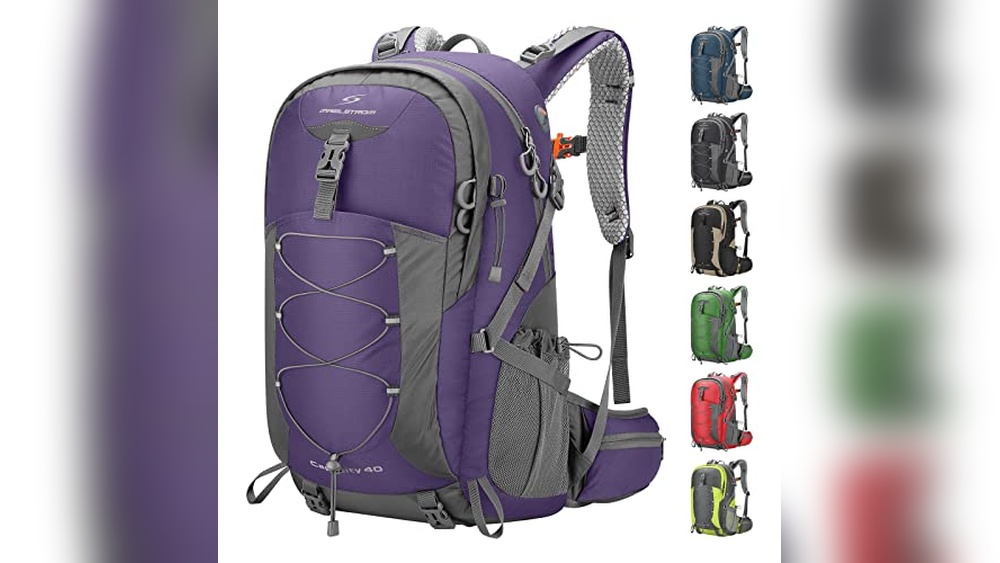
Look for padded shoulder straps and hip belts. They help spread weight evenly. Adjustable straps allow a better fit. Multiple compartments keep gear organized. Side pockets are good for water bottles. A rain cover protects your backpack from wet weather. Mesh back panels improve airflow and reduce sweat. A frame inside adds support and stability.
Adjusting For Comfort
Put your gear inside before adjusting the straps. Tighten the hip belt first. It should carry most of the weight. Next, adjust shoulder straps to hold the pack close. Use the load lifter straps to pull the pack’s top closer. Check the sternum strap across your chest. It keeps the shoulder straps in place. Walk around and feel how the pack moves.
Adjust straps again if it feels uncomfortable. A well-adjusted backpack feels like part of your body. It reduces strain and lets you enjoy your hike.
Essential Gear To Bring
Packing the right gear is key for a safe and fun backpacking trip. Choose items that are light but strong. Every piece of gear should have a clear purpose. Carrying too much weight makes hiking harder and less enjoyable.
Focus on essentials that protect you from weather, help you rest, feed you, and guide your way. Prepare for changing conditions and unexpected challenges. This list covers the basics to bring on your trip.
Shelter And Sleeping Gear
A good shelter keeps you dry and safe. A lightweight tent or a hammock with a rainfly works well. Don’t forget a sleeping bag that fits the season. A sleeping pad adds comfort and warmth from the cold ground.
Clothing For All Conditions
Pack clothes that dry fast and keep you warm. Layers are best: base layer, insulation, and outer shell. Include a waterproof jacket and sturdy hiking boots. Bring a hat and gloves for cold nights. Avoid cotton; it holds moisture and chills you.
Cooking And Food Supplies
A small stove and fuel let you cook hot meals. Bring lightweight pots and utensils. Pack easy-to-carry food like dried fruits, nuts, and energy bars. Don’t forget a water filter or purification tablets. Staying hydrated is very important.
Navigation Tools
A map and compass are vital for finding your way. Learn how to use them before your trip. A GPS device or smartphone with offline maps helps but don’t rely only on electronics. Always have a backup plan in case devices fail.
Packing Techniques
Packing techniques can make your backpacking trip easier and more comfortable. Good packing saves space and keeps your bag balanced. It helps you find things fast and carry your load with less effort.
Use smart methods to arrange your gear. This lowers strain on your body and makes your backpack last longer. Try these tips to pack smarter and travel lighter.
Weight Distribution Tips
Place heavy items close to your back and near the middle. This keeps your balance steady on rough paths. Put light items at the bottom and far from your back.
Keep frequently used things on top or in easy pockets. This way, you do not need to unpack everything often. Spread weight evenly to avoid back pain and fatigue.
Organizing With Packing Cubes
Packing cubes help separate clothes and gear in your backpack. They keep things neat and stop items from moving around. Use different cubes for clothes, food, and electronics.
Label cubes or choose different colors for quick access. Cubes save time while packing and unpacking. They also protect your belongings from dirt and damage.
Using Compression Bags
Compression bags reduce the size of bulky items like jackets and sleeping bags. Squeeze out air to save space inside your backpack. This leaves room for other essentials.
Use durable compression bags to avoid tears on the trail. They keep your gear dry and clean during bad weather. Compression bags make packing more efficient and organized.
Minimizing Weight
Carrying less weight makes backpacking easier and more fun. Heavy bags slow you down and tire your body quickly. Learning to pack light helps you enjoy your trip more. Focus on what you really need and leave behind the rest.
Choosing Lightweight Equipment
Select gear made from light materials like aluminum or carbon fiber. Lightweight tents, sleeping bags, and cooking tools save pounds. Check product weights before buying. Every ounce counts on a long hike.
Multipurpose Items
Pick items that serve more than one purpose. A bandana can be a towel, sunblock, or pot holder. A jacket with a hood works as rain gear and warmth. Multipurpose tools reduce the number of things you carry.
Cutting Non-essentials
Leave behind items you do not really need. Skip extra clothes or bulky books. Take only the first aid supplies you might use. Think about what you will actually use each day.
Safety And Emergency Items
Packing safety and emergency items is key for any backpacking trip. These items protect you during unexpected situations. They help you stay calm and ready. Prepare for minor injuries, bad weather, or losing contact. This section covers what to bring for safety and emergencies.
First Aid Essentials
Bring a basic first aid kit with bandages, antiseptic wipes, and pain relievers. Include tweezers for splinters and scissors for cuts. Add allergy medicine and any personal prescriptions. Carry blister pads to protect your feet. Check your kit before the trip to ensure everything is fresh and complete.
Communication Devices
Carry a fully charged phone with extra batteries or a power bank. A portable GPS device helps you find your way. Consider a whistle for signaling if you get lost. Some hikers use satellite messengers for remote areas. Keep devices in waterproof cases to protect from rain and dirt.
Weather Preparedness
Pack a lightweight rain jacket and an emergency blanket. Bring a hat and gloves for cold weather. Check the forecast and plan for sudden changes. Carry sunscreen and insect repellent. Proper clothing protects you from heat, cold, and rain during your hike.
Clothing Strategies
Packing the right clothes is key for any backpacking trip. Clothes must be practical and fit the weather. Choosing the right clothing helps you stay warm, dry, and comfortable. It also saves space in your backpack.
Layering Systems
Layering keeps you warm and dry in changing weather. Start with a base layer that touches your skin. This layer should wick sweat away. Next, add a middle layer for insulation. A fleece or light jacket works well. Finally, bring a shell layer to block wind and rain. Layers let you adjust clothes easily. Add or remove layers to stay comfortable.
Material Choices
Pick clothes made from quick-dry and breathable materials. Avoid cotton because it stays wet and cold. Synthetic fabrics and wool are better. They dry fast and keep warmth even when damp. Wool also controls odor, which is helpful on long trips. Lightweight materials reduce the weight of your pack. Choose durable fabrics for rough outdoor use.
Packing Extra Layers
Extra layers are important for cold nights or sudden weather changes. Pack a warm jacket or extra fleece. Bring an extra pair of socks to keep feet dry. A hat and gloves can protect against cold and wind. Don’t forget a lightweight rain poncho or jacket. These items take little space but add comfort and safety.
Food And Water Management
Managing food and water on a backpacking trip is key to staying healthy and energized. Proper planning helps avoid carrying too much weight. It also ensures you have enough fuel for your body. Water is vital. You must drink enough to stay hydrated and safe. Careful handling of food and water prevents illness and discomfort.
Meal Planning
Choose meals that are light and easy to cook. Pick high-energy foods like nuts, dried fruit, and energy bars. Include a mix of proteins, carbs, and fats. Plan for easy meals that need little water or heat. Pack enough food for the entire trip plus extra. Avoid foods that spoil fast or are heavy.
Water Purification Methods
Always purify water before drinking. Boiling water kills most germs and is simple. Use water filters to remove dirt and bacteria. Chemical tablets or drops can disinfect water fast. Carry a reliable purification method that fits your trip. Clean water prevents stomach problems and illness.
Storing Food Safely
Keep food sealed in airtight bags or containers. Protect food from moisture and pests. Store food away from your sleeping area. Use bear-proof containers if needed. Keep food in a cool, shaded place. Proper storage keeps food fresh and safe to eat.
Final Checklist And Tips
Packing for a backpacking trip can feel overwhelming. A final checklist helps make sure nothing important is left behind. Small details matter a lot on the trail. This section covers key tips and steps to complete your packing with confidence.
Pre-trip Gear Test
Test all your gear before the trip. Wear your backpack with weight inside. Walk around the house or outside for 15 minutes. Check for discomfort or rubbing spots. Try using your stove and other equipment. This practice avoids surprises during your adventure.
Packing Timeline
Start packing several days before departure. Gather all items in one place. Check your list and mark off each item. Pack heavier things first at the bottom of your bag. Leave room for snacks and water bottles. Finish packing the night before. This timeline reduces last-minute stress.
Adjusting Based On Destination
Think about your trip location and weather. Pack warmer clothes for cold places. Bring rain gear if rain is likely. Swap heavy boots for lighter shoes in warm areas. Choose gear that fits the terrain and climate. Adjusting your pack keeps you comfortable and safe.
Frequently Asked Questions
What Essentials Should I Pack For A Backpacking Trip?
Pack lightweight clothing, a sturdy backpack, a first aid kit, and a reliable water bottle. Include navigation tools, snacks, and weather-appropriate gear to stay comfortable and safe.
How Can I Pack Efficiently For Backpacking?
Roll clothes to save space and use packing cubes for organization. Prioritize multipurpose items and pack only what you need to keep your load light.
What Items Are Must-haves For Backpacking Safety?
Carry a first aid kit, a whistle, a flashlight, and a map. Also, bring insect repellent and weather-appropriate clothing to protect yourself in different environments.
How Do I Choose The Right Backpack Size?
Select a backpack based on trip length and your body size. For short trips, 30-50 liters works; longer trips need 50-70 liters or more.
Conclusion
Packing smart makes your backpacking trip easier and more fun. Choose only what you really need. Keep your bag light to move faster and feel good. Organize items so you find them quickly. Remember to check your list before you leave.
Small steps help you avoid stress on the trail. Enjoy your adventure with confidence and peace of mind. Happy travels!