Choosing the right weight for your backpacking pack can make or break your entire trip. If your pack is too heavy, you’ll feel exhausted before you even reach your first campsite.
Too light, and you might miss out on essential gear that keeps you safe and comfortable. So, how heavy should a backpacking pack be? This question is more important than you might think. You’ll discover simple, practical tips to find the perfect balance.
Keep reading, and you’ll learn how to pack smart, stay energized, and enjoy every step of your adventure.
Ideal Backpack Weight
Choosing the right backpack weight is key for a good trip. Too heavy, and you tire quickly. Too light, and you might miss important gear. The ideal weight lets you move easily and enjoy your hike.
Several factors affect how much your pack should weigh. Trip length, your experience, and the gear you carry all matter. Finding the right balance helps you stay comfortable and safe.
General Weight Recommendations
A common rule is your pack should weigh no more than 20% of your body weight. For example, if you weigh 150 pounds, your pack should be about 30 pounds. This weight includes food, water, and gear.
Lightweight backpackers aim for even less. Some carry only 10-15% of their body weight. This makes hiking easier and reduces strain on your muscles and joints.
Weight Based On Trip Length
Short trips need less gear and food, so packs are lighter. A one or two-day hike may require only 15-20 pounds. Longer trips need more supplies, increasing pack weight.
For trips over a week, expect to carry 25-35 pounds. This includes extra food, clothing, and safety gear. Planning well can keep weight manageable on longer hikes.
Weight By Experience Level
Beginners often carry heavier packs. They bring extra gear to feel safe. Over time, hikers learn to pack lighter and smarter.
Experienced backpackers focus on essentials only. They know how to balance weight and safety. Their packs are usually lighter, helping them cover longer distances.
Factors Affecting Pack Weight
Several factors shape how heavy your backpacking pack should be. These factors influence the gear and supplies you need to carry. Understanding them helps you pack smart and stay comfortable on the trail.
Terrain And Climate
Mountain trails need more gear than flat paths. Rough terrain demands sturdy shoes and extra safety tools. Cold weather requires warm clothes and sleeping bags. Hot climates need more water and sun protection. Pack weight changes based on the environment you face.
Duration And Frequency Of Trips
Long trips need more food and supplies. A multi-day hike requires a bigger pack than a day trip. Frequent trips allow you to refine your gear list. You learn what to bring and what to leave behind. Trip length and how often you hike affect your pack size.
Personal Fitness And Strength
Your strength sets how much weight you can carry. Stronger hikers handle heavier packs without pain. Beginners should start light and add weight slowly. Fitness level guides your gear choices and packing strategy. Carrying less weight helps prevent injury and fatigue.
Essential Gear And Weight
Choosing the right gear is key to a comfortable backpacking trip. Every item adds weight. Carry only what is essential to keep your pack light. The right balance helps you enjoy your adventure without strain.
Focus on gear that serves a purpose. Think about how each item affects your pack’s weight. This helps prevent carrying unnecessary load. Understanding essential gear and its weight makes a big difference.
Lightweight Vs Standard Equipment
Lightweight gear reduces overall pack weight. It often costs more but saves energy on the trail. Standard equipment is heavier but usually cheaper and more durable. Choose based on trip length and budget. Long trips benefit from lighter gear. Short trips may tolerate standard gear.
Prioritizing Multi-use Items
Multi-use items cut down pack weight. A pot that also works as a bowl saves space. Clothing that dries fast and can layer works well. Tools with more than one function reduce what you carry. Think about how each item can serve multiple purposes. This keeps your pack light and efficient.
Food And Water Weight Considerations
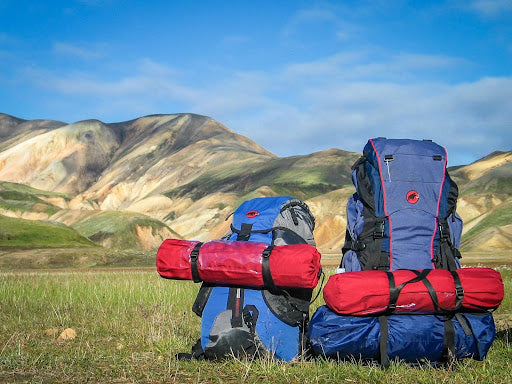
Food and water are the heaviest parts of your pack. Plan meals that are light but high in energy. Dehydrated food is a good choice for weight saving. Water weighs one kilogram per liter. Carry only what you need between water sources. Use a water filter to refill safely on the trail.
Credit: www.daggerfishgear.com
Techniques To Reduce Pack Weight
Carrying less weight on your backpacking trip makes the journey easier and more fun. Techniques to reduce pack weight help you move faster and save energy. Small changes add up and make a big difference in your comfort and safety. Focus on smart gear choices and packing habits to lighten your load.
Choosing Ultralight Gear
Select gear designed to be light but strong. Ultralight backpacks, tents, and cooking tools cut down pounds. Look for materials like titanium or carbon fiber. Choose items that serve multiple purposes to avoid extra weight. Avoid heavy metals and bulky designs.
Packing Strategies
Pack only what you really need. Make a checklist and remove non-essential items. Use compression sacks to reduce space and bulk. Distribute weight evenly inside your pack to balance it well. Carry fewer food and water supplies if possible, and refill during the trip.
Clothing And Shelter Choices
Wear layers of lightweight clothing instead of heavy clothes. Pick fabrics that dry fast and resist wind and rain. Choose a compact, light tent or a simple tarp for shelter. Use a sleeping bag that fits the climate without extra padding. Avoid packing spare clothes that you won’t wear.
Health And Safety Impacts
Choosing the right backpack weight is more than just comfort. It affects your health and safety on the trail. Carrying too much weight can cause serious problems. Knowing the risks helps you stay safe and enjoy your hike.
Risks Of Overpacking
Overpacking puts extra strain on your back and shoulders. It can cause pain and muscle fatigue quickly. Heavy loads increase the chance of falls or trips. Joints and ligaments may get injured from too much weight. Over time, it can lead to chronic back problems.
Preventing Injury On Trails
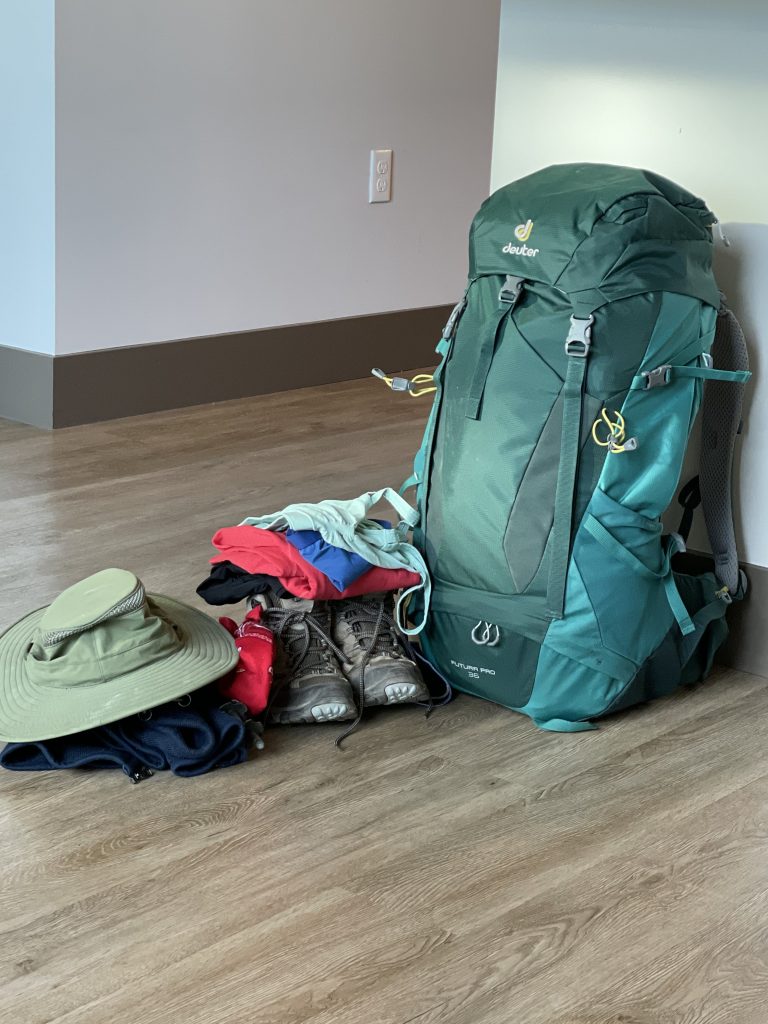
Keep your pack weight manageable to reduce injury risk. Use a pack with good support and padding. Distribute weight evenly to avoid imbalance. Take breaks to rest your muscles often. Stretch before and after hiking to keep flexible.
Maintaining Endurance
Lighter loads help you hike longer without tiring. Heavy packs drain your energy faster on tough trails. Carry only essential items to save energy. Staying light improves your speed and stamina. This helps you enjoy the entire journey safely.
Credit: www.voyageurtripper.com
Adjusting Weight For Different Backpackers
Backpacking pack weight varies for different hikers. Factors like age, experience, and physical needs affect how much gear a person should carry. Adjusting pack weight helps improve comfort and safety on the trail. Each backpacker must find the right balance for their body and trip length.
Youth And Beginners
Younger hikers and beginners should carry lighter loads. Their bodies are still growing or not used to heavy packs. A good rule is to keep the pack weight under 20% of their body weight. This reduces strain and helps avoid injuries. Start with short trips and light gear to build strength.
Experienced Hikers
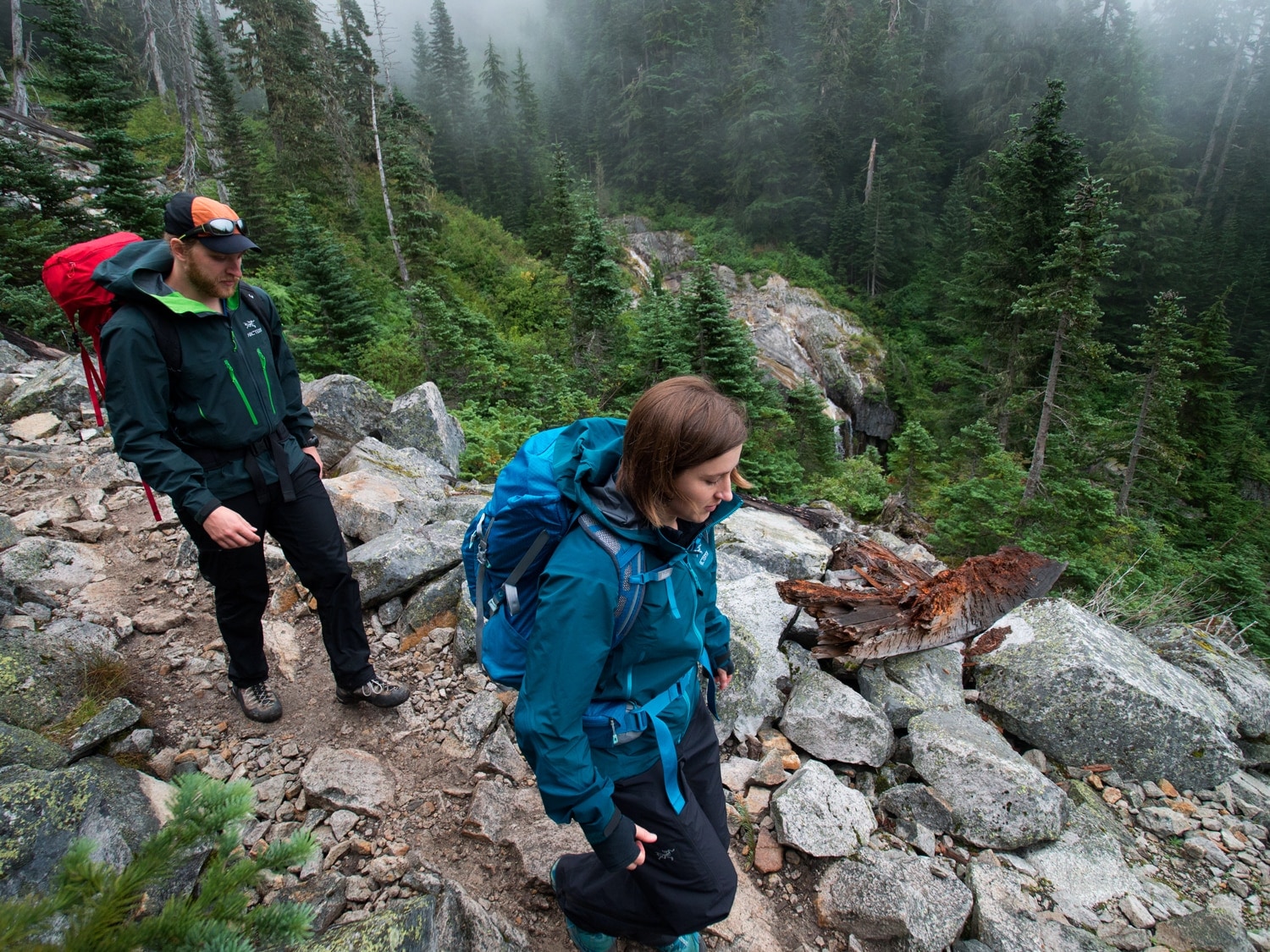
Experienced hikers often carry heavier packs. Their muscles and joints are stronger from training. They can handle 25% to 30% of their body weight. They also know how to pack efficiently. Choosing multi-use gear and cutting extras keeps the load manageable. Experience helps them stay balanced and comfortable.
Backpackers With Special Needs
Some backpackers need to adjust weight carefully for health reasons. Those with joint pain or medical conditions must carry less. Lightweight gear and extra padding improve comfort. Adaptive equipment can help distribute weight evenly. Consulting a doctor or therapist ensures safe hiking plans.
Credit: www.rei.com
Frequently Asked Questions
How Heavy Should A Backpacking Pack Be?
A backpacking pack should weigh between 20 to 25% of your body weight. For comfort, keep it under 20 pounds if possible. Lighter packs increase mobility and reduce fatigue on long hikes.
What Factors Affect Ideal Backpack Weight?
Factors include trip length, terrain, weather, and personal fitness. Longer trips require more gear, increasing weight. Rough terrain and bad weather demand extra equipment, adding to pack weight.
How Can I Reduce My Backpack Weight Effectively?
Prioritize lightweight gear and pack only essentials. Use multi-use items and minimize food and water weight. Regularly review your gear list to eliminate unnecessary items.
Is There A Difference In Pack Weight For Beginners?
Yes, beginners should carry lighter packs to avoid injury. Starting with 15-20 pounds helps build endurance and allows easier adjustment to backpacking.
Conclusion
Choosing the right backpack weight helps you enjoy your trip more. Carrying too much can cause pain and slow you down. Keep your pack light by taking only what you need. Think about the length of your trip and weather conditions.
A lighter pack makes hiking easier and safer. Remember, comfort matters most during your adventure. Balance your gear and weight wisely. This way, every step feels better and more fun.