
Packing a backpack might seem simple, but doing it the right way can make all the difference on your trip. Imagine reaching your destination and realizing your bag is heavy, unbalanced, or you can’t find what you need.
Frustrating, isn’t it? You want your backpack to be comfortable, organized, and easy to carry. In this guide, you’ll learn smart tips and tricks that will save you time and effort. Keep reading, and you’ll discover how to pack your backpack like a pro—making every adventure smoother and more enjoyable.
Choosing The Right Backpack
Choosing the right backpack is key to a comfortable and organized trip. The right bag holds everything you need without causing pain. It fits your body and matches your trip style. This section covers important points to help you pick the best backpack for your journey.
Types Of Backpacks
Backpacks come in many styles. Daypacks suit short trips and daily use. Hiking backpacks have extra support and space for gear. Travel backpacks often have compartments for clothes and electronics. Choose a type that fits your trip length and activities.
Size And Capacity
Backpacks vary in size and storage space. Small bags hold essentials for a day. Medium bags fit a few days of clothes and gear. Large backpacks carry gear for long trips. Pick a size that fits your packing list but does not feel bulky.
Comfort And Fit
A backpack must fit your body well. Look for adjustable straps on the shoulders and waist. Padding on the back and straps adds comfort. The bag should sit close to your back to avoid strain. Test different backpacks before buying to find the best fit.

Credit: seatosummit.com
Essential Packing Gear
Packing a backpack well starts with choosing the right gear. Essential items keep you safe, warm, and comfortable. They also make your trip easier and more fun. Organize your gear into groups. This helps you pack smart and find things fast.
Clothing And Footwear
Choose clothes for the weather and activities. Pack layers. A base layer, an insulating layer, and a waterproof layer work best. Bring extra socks to keep feet dry. Pick sturdy shoes made for hiking. Avoid heavy boots if you walk on easy trails. Sandals are good for camp but not for hiking.
Camping And Cooking Supplies
Bring a lightweight tent or hammock for shelter. A sleeping bag fits the season’s temperature. A sleeping pad adds comfort and warmth. For cooking, pack a small stove and fuel. Include a pot, utensils, and a lighter. Carry food that is easy to cook and eat. Don’t forget water bottles or a hydration system.
Navigation And Safety Tools
Carry a map and compass to find your way. A GPS device or smartphone app can help but don’t rely only on them. Pack a headlamp or flashlight with extra batteries. A first aid kit is a must for injuries. Include sunscreen and insect repellent for skin protection. A whistle can help signal for help if needed.
Packing Techniques
Packing your backpack the right way makes your trip easier. Good techniques help keep things balanced and safe. Your backpack will feel lighter and more comfortable. These simple methods help you find what you need fast. Let’s explore some useful packing techniques.
Organizing By Weight
Put heavy items close to your back and in the middle. This keeps your center of gravity steady. Lighter things go on top and at the sides. This method helps you stay balanced and reduces strain. Think about your backpack as a small building. The base should hold the strongest parts.
Using Packing Cubes
Packing cubes keep your clothes and gear tidy. They save space and make finding items quick. Use different cubes for clothes, gadgets, and toiletries. You can remove one cube without unpacking the whole bag. Cubes keep your backpack neat and organized on the go.
Waterproofing Your Gear
Protect your gear from rain and spills with waterproof bags. Use dry sacks or zip-lock bags inside your backpack. Wrap electronics and clothes to keep them dry. Waterproofing helps you stay clean and dry during bad weather. It prevents damage and keeps your trip comfortable.
Maximizing Space
Packing a backpack efficiently saves space and keeps things organized. Maximizing space helps carry more without making your bag heavy or bulky. Smart packing lets you find items quickly and keeps clothes neat. Use simple tricks to get the most out of every inch inside your backpack.
Rolling Vs Folding Clothes
Rolling clothes takes up less room than folding. It also reduces wrinkles in your clothes. Roll shirts, pants, and even socks tightly. Place rolls side by side to fill the backpack well. Folding works better for stiff or bulky clothes like jackets. Choose the method that fits your clothes best.
Utilizing External Pockets
External pockets hold small or quick-access items. Use them for water bottles, snacks, or maps. Keep chargers and cables in easy-to-reach pockets. Avoid stuffing large items outside to keep balance. External pockets free up space inside your main compartment.
Compressing Bulky Items
Bulky items like jackets or sleeping bags take much space. Use compression bags to squeeze air out and shrink their size. Packing cubes can also help organize and compress clothes. Compression creates more room for other essentials. Pack heavy items at the bottom for better balance.
Balancing Your Load
Balancing your load is key to a comfortable backpack trip. A well-balanced pack helps you walk longer without pain. It stops you from falling or getting tired quickly. Learning to pack with balance makes your journey safer and more fun.
Focus on where you place your items inside the backpack. Think about weight and how the pack sits on your body. Small changes make a big difference in comfort and control.
Distributing Weight Evenly
Spread your items evenly on both sides of the backpack. Avoid putting all heavy things on one side. This keeps you from leaning to one side and hurting your back. Use small items to fill gaps and keep balance.
Packing Heavy Items Close To Your Back
Put heavy items near your back and center of the pack. This placement keeps the weight close to your body. It lowers strain on your shoulders and hips. Keep lighter items toward the outside and bottom.
Adjusting Straps For Stability
Tighten the shoulder straps to hold the pack close. Use the hip belt to move weight to your hips. Adjust the chest strap to stop the pack from swaying. Check all straps before you start walking.
Checklist For Smart Packing
Packing a backpack can feel tricky without a clear plan. A checklist helps keep your items organized and ensures nothing important is left behind. Smart packing saves space and makes your trip easier. Use this checklist to pack wisely and carry only what you need.
Must-have Items
Start with essentials you need every day. Include clothes suitable for the weather. Pack a sturdy pair of shoes. Add a water bottle to stay hydrated. Bring a first-aid kit for small injuries. Don’t forget your identification and money. A map or GPS device helps with navigation. Pack basic toiletries like soap, toothbrush, and toothpaste.
Optional Extras
Consider items that add comfort but are not necessary. Bring a camera if you want to capture memories. A small book or journal can pass time. Pack snacks for quick energy boosts. Sunglasses and a hat protect from the sun. A lightweight rain jacket prepares you for bad weather. Extra batteries or power banks keep devices charged.
Avoiding Overpacking
Keep your backpack light to avoid strain. Limit clothing to versatile pieces. Choose items that serve multiple purposes. Avoid packing duplicates unless needed. Check weight and try removing non-essentials. Remember, you will carry everything yourself. A lighter pack means more fun and less fatigue.
Tips For On-the-go Adjustments
Adjusting your backpack during a trip keeps you comfortable and organized. Small changes can make a big difference. Staying flexible helps you handle new situations easily. These tips help you manage your pack on the go.
Repacking During Trips
Sometimes, you must repack your backpack mid-trip. Take out items you no longer need. Push heavy things closer to your back. This improves balance and reduces strain. Use small bags to separate clean and dirty clothes. Keep essentials easy to reach.
Handling Unexpected Weather
Weather can change quickly outdoors. Always store rain gear in an outer pocket. Pack clothes in waterproof bags to stay dry. Move wet items away from dry gear inside the pack. Adjust layers to stay warm or cool. Quick changes prevent discomfort and protect your gear.
Maintaining Backpack Condition
Regular care keeps your backpack working well. Clean your pack after dusty or wet trips. Check zippers and straps for damage. Fix small tears with patches or tape. Avoid overloading to prevent wear. A well-kept backpack lasts longer and feels better on your back.
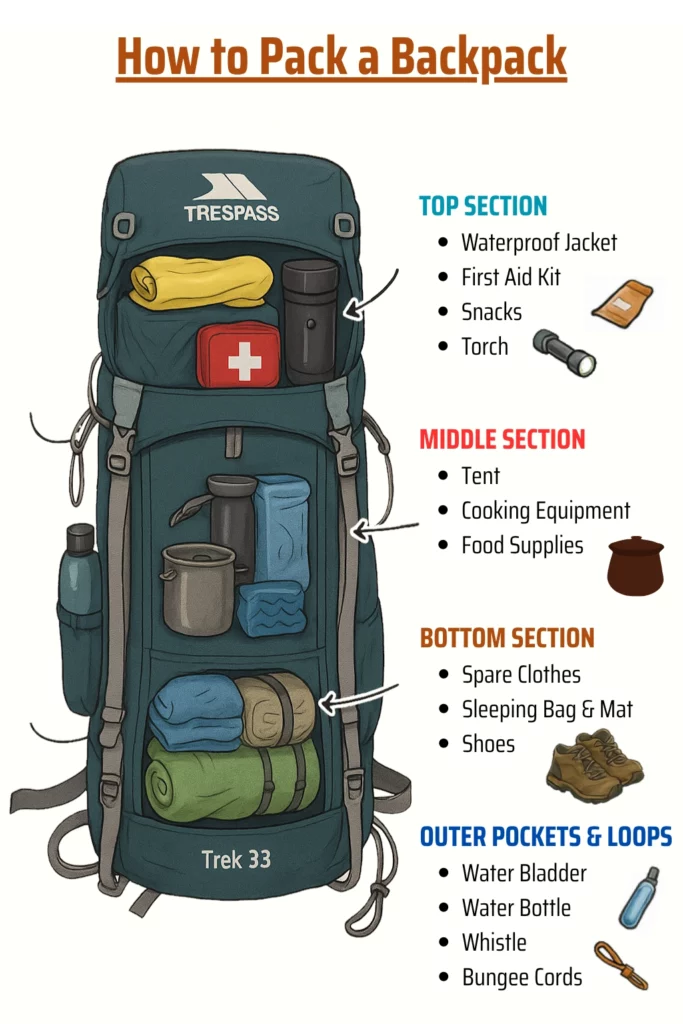
Credit: www.trespass.com
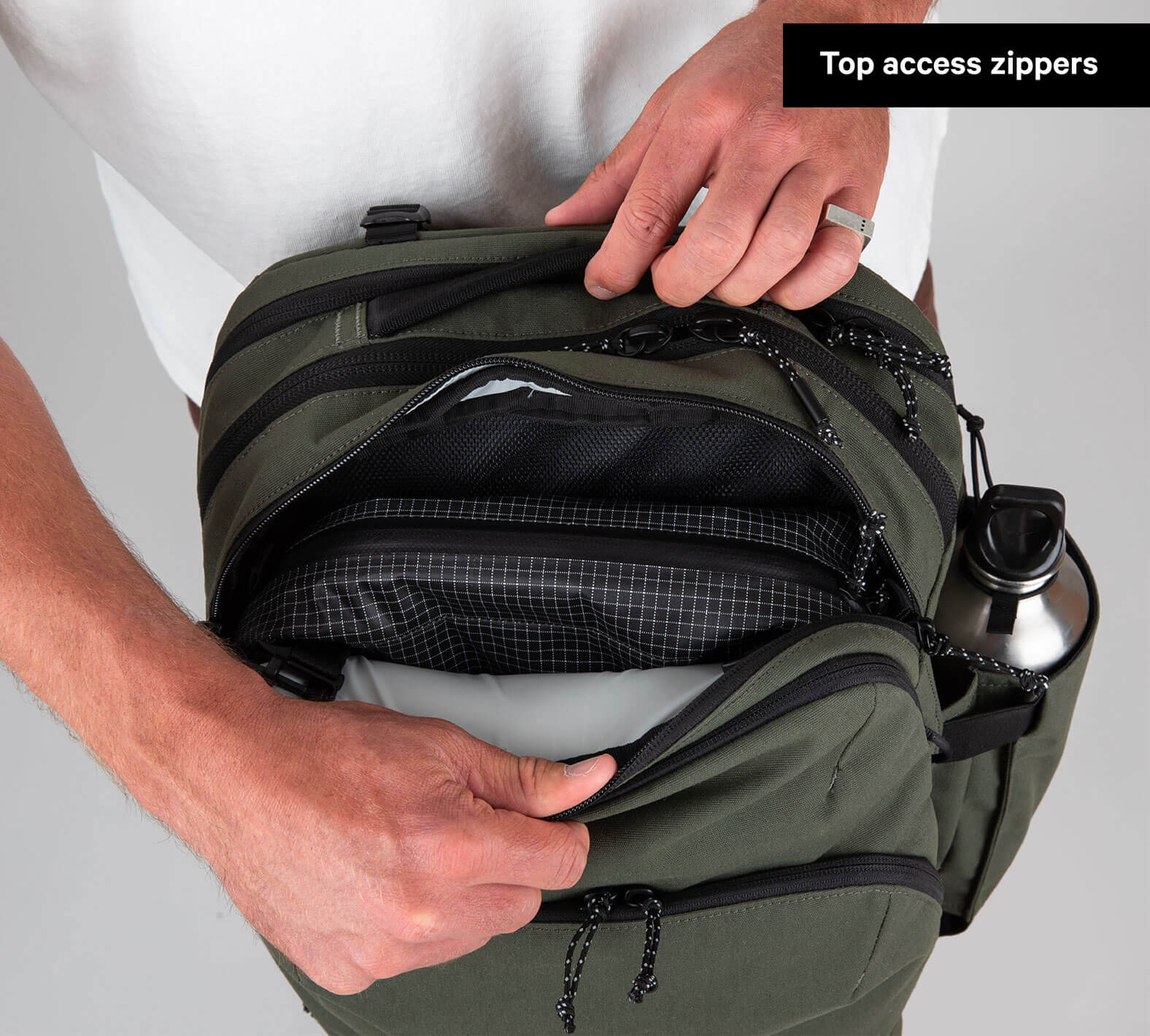
Credit: paktbags.com
Frequently Asked Questions
How Do You Organize Items In A Backpack?
Start by placing heavy items close to your back for balance. Use compartments for smaller items. Distribute weight evenly to prevent strain. Keep essentials like water and snacks accessible.
What Is The Best Way To Pack A Hiking Backpack?
Pack heavier gear near your spine and center. Use dry bags for clothes and electronics. Layer clothes for easy access. Keep frequently used items on top or in side pockets.
How To Pack A Backpack For Maximum Comfort?
Balance the weight evenly on both sides. Use padded straps and adjust them properly. Avoid overpacking to reduce strain. Place heavier items low and close to your back.
Should You Pack Your Backpack By Item Type?
Yes, grouping items by type helps keep things organized. Pack food together, clothes in dry bags, and electronics separately. This method speeds up packing and finding items during your trip.
Conclusion
Packing a backpack well makes your trip easier and more fun. Start with heavy items close to your back for balance. Use small bags to keep things neat and easy to find. Remember to pack only what you really need.
Keep important items like your map or snacks near the top. Check your backpack before you leave to avoid forgetting anything. A well-packed backpack helps you stay comfortable and ready for adventure. Simple steps make a big difference in your travel experience.
Ready to pack smart and enjoy your journey?