Packing for a backpacking trip can feel overwhelming. You want to bring everything you need, but carrying too much can slow you down and make your adventure less fun.
What if you could pack smartly, saving space and weight without leaving behind essentials? This guide will show you exactly how to pack when backpacking, so you stay comfortable, prepared, and ready for anything. Keep reading, and you’ll discover simple tips that make packing easier and your trip more enjoyable.
Choosing The Right Backpack
Choosing the right backpack is key for a smooth backpacking trip. It affects comfort, packing, and how much you carry. A good backpack fits well and holds all your gear. It also lasts through tough travel conditions. Spend time to pick a pack that suits your needs. This saves effort and pain during your journey.
Size And Capacity
Select a backpack size based on trip length and gear. Small packs (20-35 liters) suit day trips or light packing. Medium packs (40-60 liters) work for trips of several days. Large packs (60+ liters) fit long trips with extra gear. Avoid overpacking by choosing a pack that matches your needs. This keeps your load light and manageable.
Comfort And Fit
Comfort matters most in a backpack. Choose one with padded shoulder straps and a waist belt. These help spread weight and reduce strain. Adjust straps to fit your body shape well. A pack that fits snugly moves with you. Test it with weight to feel the comfort. A good fit prevents back pain and fatigue.
Durability And Features
Durability keeps your backpack strong during travel. Pick one made from tough materials like nylon or polyester. Check for reinforced stitching and sturdy zippers. Extra features add convenience. Look for rain covers, multiple compartments, and external pockets. These help organize gear and protect it from rain. Durable backpacks last longer and protect your stuff better.
Credit: bearfoottheory.com
Selecting Essential Gear
Packing the right gear is key for a good backpacking trip. Carrying only what you need saves space and weight. It helps you stay comfortable and safe outdoors. Focus on items that serve multiple purposes and fit your trip length.
Clothing Basics
Choose clothes that dry fast and keep you warm. Layering works best. Bring a lightweight base layer, a warm middle layer, and a waterproof outer layer. Avoid cotton because it holds moisture. Pack a hat and gloves for cold nights.
Sleeping Equipment
Your sleep gear must be light but warm. Pick a sleeping bag suited for the season. A compact sleeping pad adds comfort and insulation. A small pillow or stuff sack filled with clothes can support your head. Test gear before your trip.
Cooking Tools
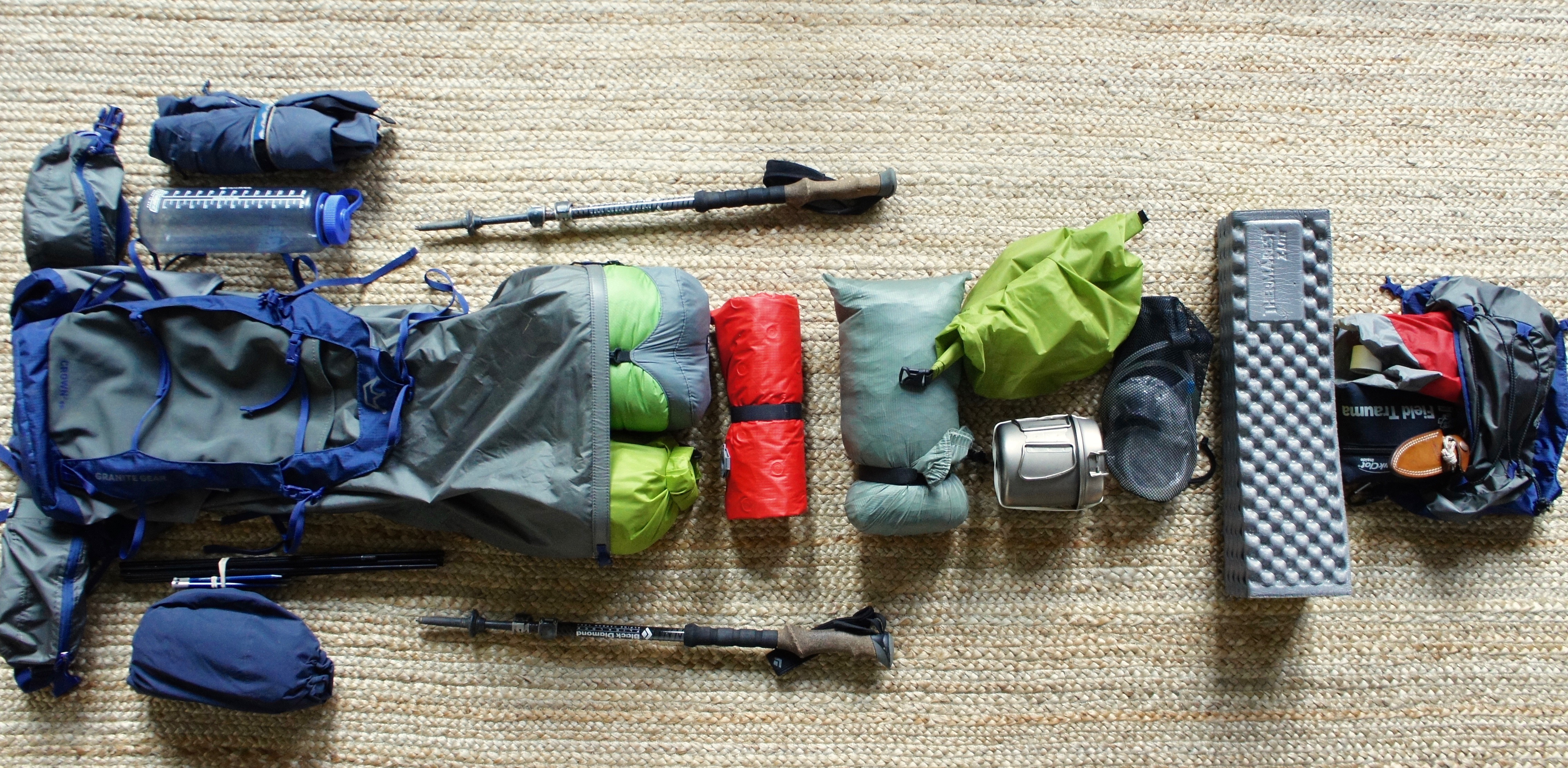
Keep cooking tools small and simple. A lightweight stove and fuel canister are enough for most meals. Bring a pot that fits your stove and food needs. Pack a spork and a small knife. Don’t forget a lighter or matches in a waterproof case.
Packing Techniques
Packing techniques help make backpacking easier and more comfortable. They save space and keep your bag organized. Good packing means less weight and quick access to items. It also protects your clothes and gear during travel.
Try different methods to find what suits you best. Focus on saving space and balancing weight. Keep your backpack neat and ready for any adventure.
Rolling Vs Folding Clothes
Rolling clothes saves more space than folding. It reduces wrinkles and fits better in tight spots. Rolling lets you see each item clearly. Folding can create bulk and waste space. Use rolling for t-shirts, pants, and light fabrics. Fold heavier or structured clothes carefully to keep shape.
Using Packing Cubes
Packing cubes keep your bag tidy and items separated. They help find things quickly without unpacking all. Use different cubes for clothes, electronics, and toiletries. Cubes compress clothes and save space. They also protect items from damage and dirt. Choose cubes that fit your backpack size.
Weight Distribution
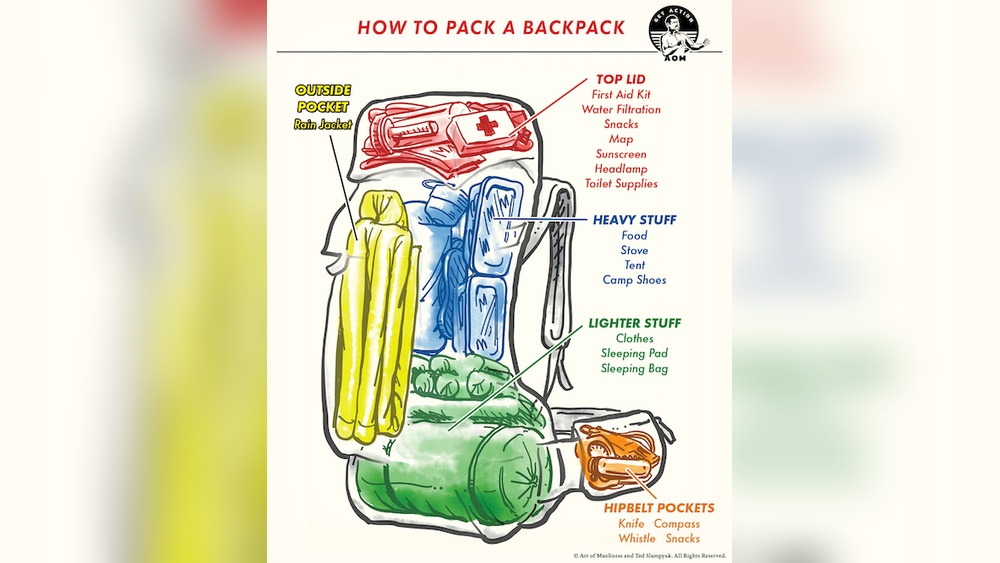
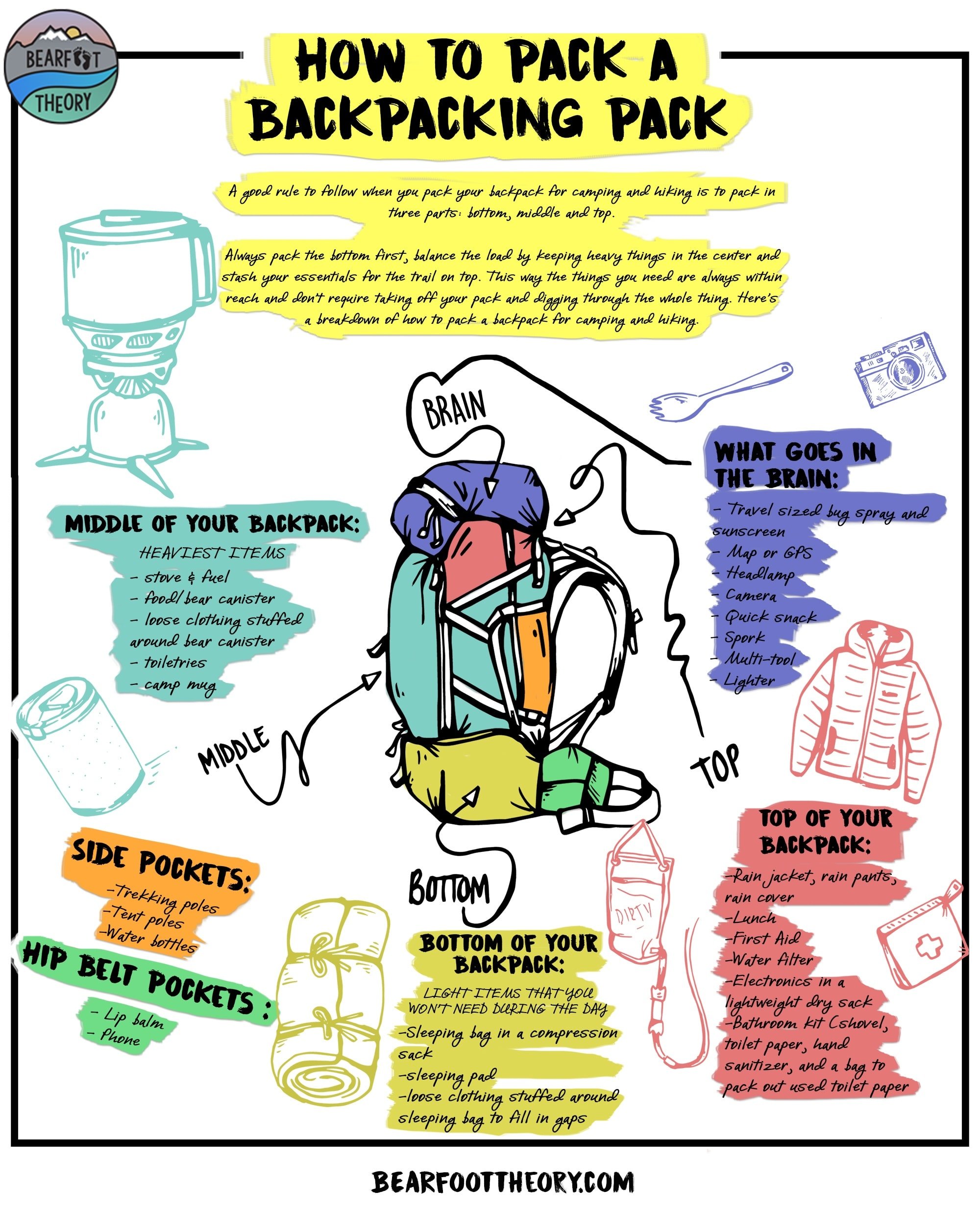
Balance weight to avoid strain and discomfort. Place heavy items close to your back and center. Light items go near the top and edges. Keep frequently used things easy to reach. Proper weight distribution improves posture and hiking comfort. Check your pack after loading to adjust weight evenly.
Minimizing Weight
Packing light is key to a fun and easy backpacking trip. Carrying less weight helps you walk longer and feel better. Every extra pound matters. Focus on what you really need. Cut down on heavy or bulky items. Think smart and pack only essentials.
Choosing Lightweight Materials
Select clothes made from light fabrics like nylon or polyester. These dry fast and take less space. Use a lightweight sleeping bag or compact tent. Avoid heavy cotton or wool. They add weight and take longer to dry.
Multipurpose Items
Pick items that serve more than one purpose. A jacket that works as a raincoat saves space. A spoon that also acts as a fork reduces gear. Multipurpose tools cut down on what you carry. Less gear means less weight on your back.
Limiting Electronics
Bring only the electronics you really need. A phone and charger often suffice. Leave heavy gadgets like laptops or extra cameras behind. Electronics add weight and need batteries. Save weight for more important items like food or water.
Organizing For Accessibility
Organizing your backpack for easy access saves time and stress during your trip. Knowing where your items are helps you find them fast. This keeps your journey smooth and enjoyable.
Quick Access Items
Keep essentials like your water bottle, map, and snacks in places you reach easily. Use top compartments or side pockets for these items. This lets you grab them without unpacking your whole bag.
Securing Valuables
Store valuables such as your wallet, phone, and passport in hidden or zippered pockets. Choose spots close to your body for safety. This reduces the risk of losing important things.
Using External Pockets
External pockets are perfect for items you need often. Sunglasses, sunscreen, and small tools fit well here. Make sure these pockets close well to keep things secure while walking.
Credit: www.carryology.com
Preparing For Different Conditions
Packing for a backpacking trip means preparing for many different conditions. Weather can change fast. Trails can be rough or smooth. Safety is a top priority. Being ready helps you enjoy your trip and stay safe.
Weather Adaptations
Check the weather forecast before packing. Bring layers to stay warm or cool. A waterproof jacket protects from rain and wind. Choose quick-dry clothes to avoid discomfort. A hat and sunglasses shield from sun. Pack gloves for cold weather. Proper shoes handle mud, rocks, or snow.
Safety Gear
Carry a whistle to signal for help. A headlamp or flashlight works at night. Bring a map and compass to avoid getting lost. A multi-tool can fix gear or open cans. Store extra batteries for devices. Use a sturdy backpack with secure straps. Keep your phone charged for emergencies.
First Aid Essentials
Include bandages for cuts and scrapes. Antiseptic wipes stop infections. Pain relievers ease aches. Blister pads prevent discomfort on feet. Tweezers remove splinters or ticks. Allergy medicine is important for some people. Learn basic first aid skills before the trip.
Final Packing Tips
Packing for a backpacking trip is not just about stuffing items inside a bag. The final steps ensure comfort and readiness. These tips help you carry your pack with ease. They also prepare you to move smoothly on your adventure.
Testing Your Pack
Try lifting your pack before the trip. Feel its weight on your back. Walk around the house or yard. This helps you notice any heavy spots. Adjust what you carry to balance the load. Your pack should feel secure, not loose or too tight.
Adjusting Straps
Straps keep your pack close to your body. Tighten shoulder straps for support. Use the waist belt to move weight to hips. Check sternum straps to stop pack sway. Proper strap adjustment prevents pain and fatigue. Take time to fine-tune each strap.
Packing Light Mindset
Less weight means more freedom on the trail. Choose only essentials and multi-use items. Avoid “just in case” items that add bulk. Think about what you really need. A lighter pack saves energy and makes hiking fun.

Credit: cascadedesigns.com
Frequently Asked Questions
What Essentials Should I Pack For Backpacking?
Pack lightweight clothing, a durable tent, sleeping bag, first aid kit, water filter, and multi-tool. Prioritize versatile items to save space and weight.
How Can I Pack Efficiently To Save Space?
Roll clothes tightly, use packing cubes, and place heavy items near your back. Distribute weight evenly to maintain balance and comfort.
What Clothing Is Best For Backpacking Trips?
Choose moisture-wicking, quick-dry fabrics and layer for varying weather. Avoid cotton as it retains moisture and dries slowly.
How Do I Keep My Backpack Organized?
Use separate compartments or packing cubes for clothes, food, and gear. Label items for easy access during your trip.
Conclusion
Packing smart makes backpacking trips easier and more fun. Choose only what you truly need. Keep your bag light to move freely and quickly. Organize items so you can find them fast. Remember, comfort and safety come first on the trail.
With good packing, you enjoy every step of your adventure. Stay prepared, travel light, and embrace the journey ahead.