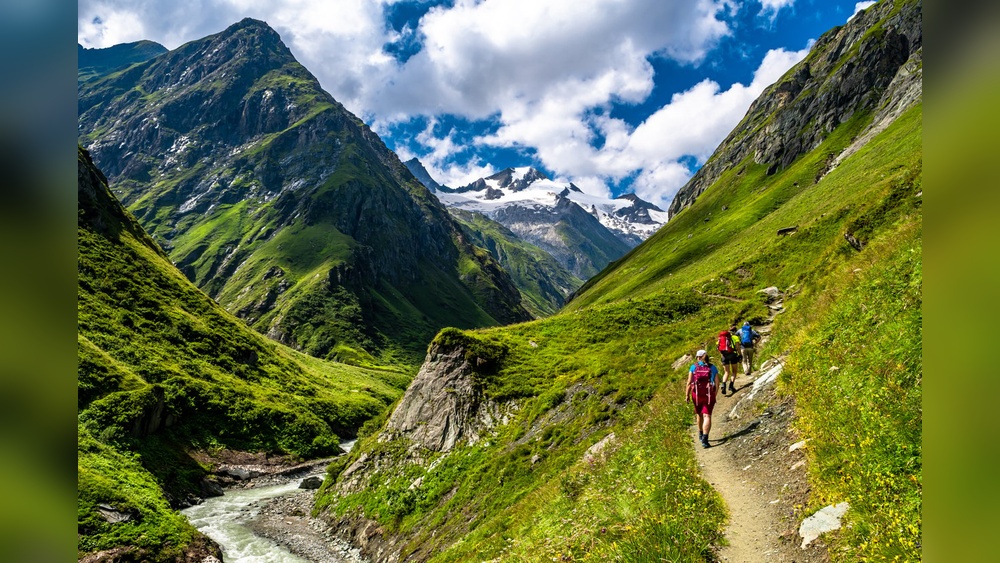
Have you ever wondered what makes mountaineering truly unforgettable? The answer lies in how you carry your gear and move through the mountains.
Backpacking isn’t just a way to get from base to summit—it’s the best way to experience every moment of your climb. When you carry your own pack, you connect deeply with the trail, your surroundings, and your own limits. This connection changes everything, making your mountaineering adventure more rewarding and empowering.
Keep reading to discover why backpacking transforms your mountain experience and how it can take your skills and enjoyment to the next level.
Credit: www.greenmountainclub.org
Benefits Of Backpacking In Mountaineering
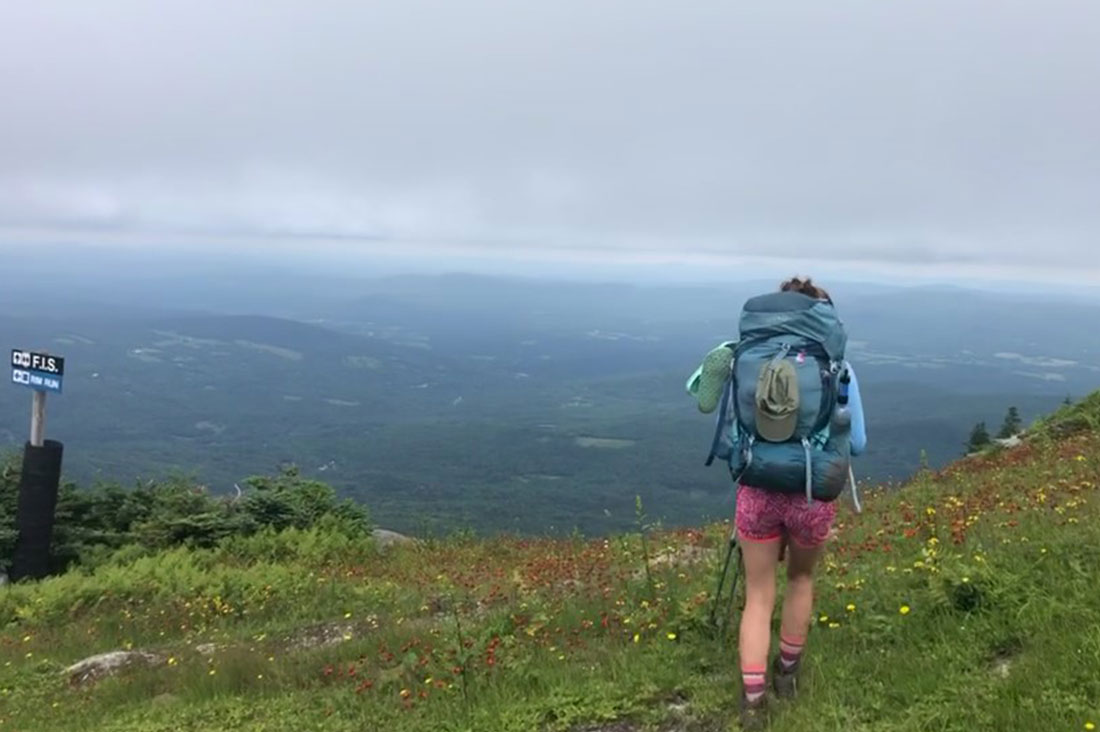
Backpacking offers many benefits for mountaineers. It allows adventurers to move freely through rugged terrain. Carrying all essentials on your back means you can explore remote areas. This style of travel makes mountain climbing more accessible and enjoyable.
Choosing backpacking in mountaineering helps you stay close to nature and saves money. It encourages a simpler, more connected experience with the mountains. Here are some key benefits of backpacking for mountaineers.
Enhanced Mobility And Flexibility
Backpacking lets you travel light and fast. You can change your route easily without relying on vehicles. This freedom helps you reach hidden spots and avoid crowded trails. Moving on foot with your gear means you can camp anywhere. It also allows for quick adjustments to weather or trail conditions.
Cost-effective Exploration
Backpacking reduces expenses on hotels and transport. Carrying your own shelter and food cuts down costs. This makes longer trips affordable and achievable. Spending less money lets you focus on the adventure itself. It opens doors to more frequent and varied mountaineering trips.
Closer Connection To Nature
Backpacking immerses you in the mountain environment fully. You hear the sounds, smell the fresh air, and see wildlife up close. Staying overnight in the wild deepens your appreciation for nature. It creates a peaceful, personal experience away from busy life. This connection often inspires respect and care for the environment.
Credit: www.greenmountainclub.org
Essential Gear For Backpacking Mountaineers
Backpacking mountaineering requires careful planning and the right gear. Essential gear keeps you safe and comfortable on the trail. It helps you carry what you need without extra weight. Choosing the right items makes your adventure easier and more fun.
Each piece of gear has a clear role. From carrying your supplies to protecting you from weather, every item matters. Here are the must-have gear types for backpacking mountaineers.
Lightweight Backpacks
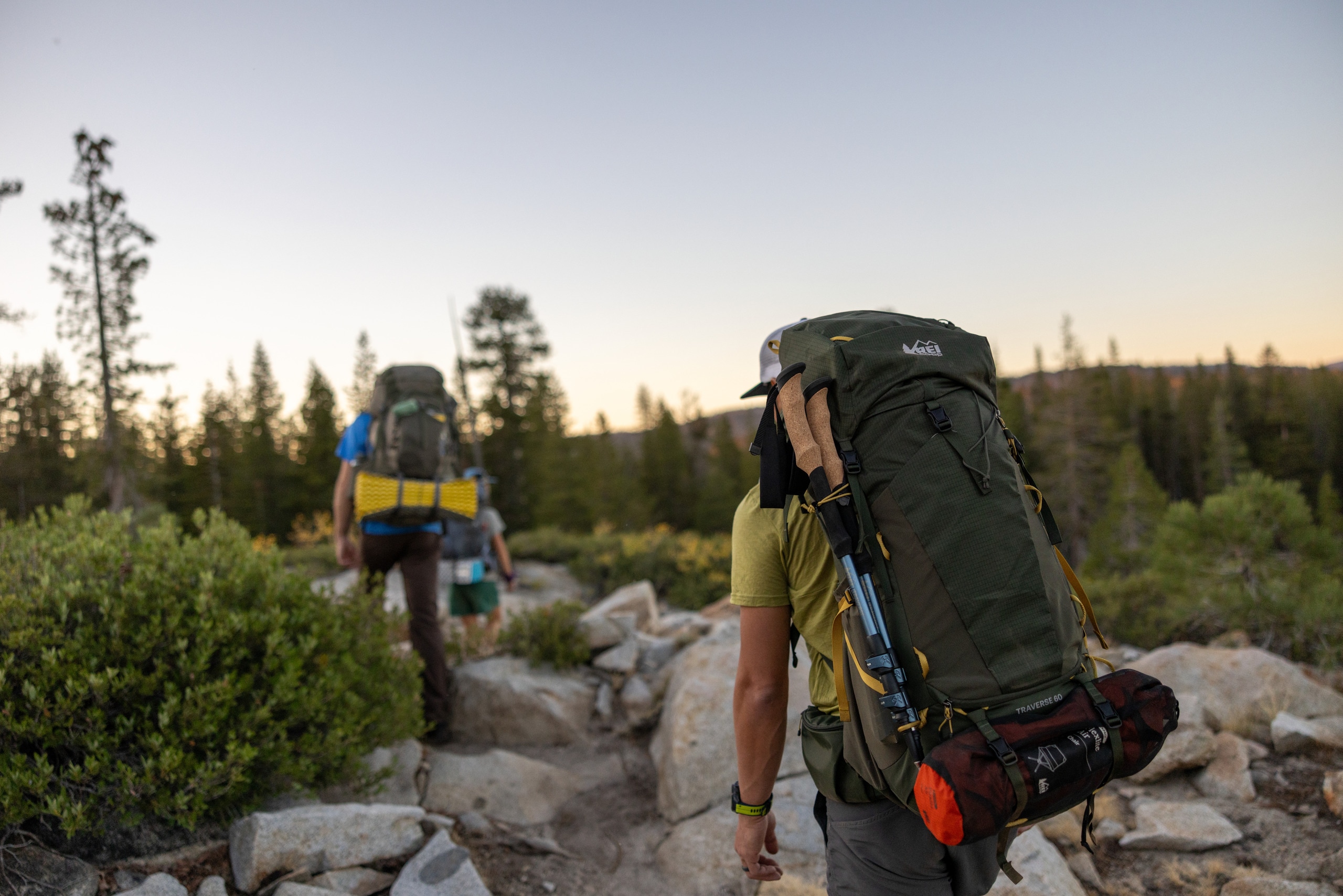
A lightweight backpack reduces strain on your shoulders and back. It should fit well and have enough space for all your gear. Look for backpacks with padded straps and multiple compartments. These features help organize equipment and increase comfort during long hikes.
Durable Footwear
Sturdy, durable footwear protects your feet on rocky, uneven paths. Boots with good ankle support prevent injuries. Waterproof materials keep your feet dry in wet conditions. Choose shoes with strong soles for better grip and stability.
Weather-resistant Clothing
Weather-resistant clothing shields you from wind, rain, and cold. Lightweight jackets and pants made from breathable materials work best. Layering clothes helps adjust to temperature changes. Always pack extra clothes to stay warm and dry.
Safety And Navigation Tools
Safety tools like helmets and first aid kits are essential. Navigation devices such as maps, compasses, or GPS help find your way. These tools reduce risks and improve your confidence outdoors. Always carry backup tools in case of emergencies.
Planning Your Backpacking Mountaineering Trip
Planning your backpacking mountaineering trip takes effort and care. Good planning makes your adventure safer and more fun. It helps you avoid problems on the trail.
Focus on key steps like picking a trail, knowing your skill level, and packing the right gear. These steps prepare you for the challenges ahead.
Choosing The Right Trail
Select a trail that fits your experience and goals. Research the trail length, elevation, and difficulty. Check weather conditions and trail reports. Pick a trail with good camping spots and water sources. This keeps you safe and comfortable.
Assessing Skill Level And Fitness
Be honest about your fitness and skills. Mountaineering needs strength, endurance, and some technical know-how. Practice hiking with a loaded backpack. Try smaller climbs to build confidence. Match your trip to your current abilities to avoid risks.
Packing Smart And Efficiently
Pack only what you need to keep your backpack light. Choose multi-use items to save space. Bring clothes for changing weather and enough food. Don’t forget safety gear like a map, compass, and first aid kit. Proper packing makes your journey easier and safer.
Credit: www.rei.com
Techniques For Safe Backpacking Mountaineering
Safe backpacking mountaineering requires smart techniques. These methods help keep you healthy and strong during the climb. Knowing how to pace yourself, adjust to altitude, and prepare for emergencies is key. These skills make your mountain adventure safer and more enjoyable.
Pacing And Rest Strategies
Start slow and steady. Walking too fast wastes energy and causes tiredness. Take regular breaks to catch your breath. Short rests every hour help muscles recover. Drink water often to stay hydrated. Listen to your body’s signals and avoid pushing too hard. A steady pace keeps you moving longer and safer.
Altitude Acclimatization
High mountains have less oxygen. This can cause altitude sickness. Spend extra days at lower heights before climbing higher. This helps your body adjust. Climb slowly to give your lungs time to work better. Watch for symptoms like headache or nausea. Stop climbing if you feel unwell. Proper acclimatization reduces health risks and makes climbing easier.
Emergency Preparedness
Carry essential safety gear like a first aid kit and a map. Know how to use your equipment. Share your route and schedule with someone trustworthy. Learn basic first aid skills before the trip. Be ready for sudden weather changes or injuries. Being prepared saves lives and prevents panic on the trail.
Environmental Impact And Ethical Practices
Backpacking is a responsible way to enjoy mountaineering. It helps protect nature and shows respect for the environment. Ethical practices keep mountains beautiful for all visitors. They also help plants and animals thrive. Understanding how to reduce your impact makes a big difference. Small actions add up to a cleaner, safer natural world.
Leave No Trace Principles
Leave No Trace means leaving nature just as you found it. Carry out all trash and waste. Avoid picking plants or disturbing rocks. Stay on marked trails to protect soil and plants. These rules keep mountains healthy and clean. Following them helps preserve natural beauty for others.
Respecting Wildlife And Ecosystems
Wild animals live in delicate balance with their environment. Keep a safe distance from all wildlife. Do not feed animals or leave food scraps. Avoid loud noises that may scare animals. Protecting ecosystems means not disturbing plants or water sources. Respect helps maintain nature’s harmony and wildlife safety.
Sustainable Camping Practices
Use established campsites to reduce damage to new areas. Camp on durable surfaces like rock or dry grass. Use a camp stove instead of making fires. If fires are allowed, keep them small and controlled. Dispose of human waste properly, far from water. These steps protect the land and keep it healthy.
Stories From Backpacking Mountaineers
Backpacking mountaineers share stories full of adventure and challenge. These stories show why backpacking is the best way to explore mountains. Each journey brings unique moments that teach and inspire. The tales of these climbers reveal the heart of mountaineering.
Through their stories, you see the true spirit of climbing. The struggles, joys, and lessons make mountaineering more than just a sport. It becomes a life experience that stays with you forever.
Challenging Expeditions
Many backpackers face tough trails and harsh weather. Steep slopes and rocky paths test their strength and will. Some expeditions last for days with little rest. Climbers push their limits to reach the summit. These challenges build courage and resilience.
Memorable Experiences
Backpackers remember quiet mornings above the clouds. The beauty of untouched nature leaves a deep mark. Meeting fellow climbers creates lasting friendships. Shared campfires and stories bind them together. These moments make every effort worthwhile.
Lessons Learned On The Trail
Mountaineers learn to plan and prepare carefully. They discover the importance of patience and teamwork. Nature teaches respect for its power and unpredictability. Each trip improves skills and builds confidence. The trail becomes a teacher in many ways.
Frequently Asked Questions
What Makes Backpacking Ideal For Mountaineering Trips?
Backpacking offers flexibility, allowing climbers to carry essential gear and camp anywhere. It promotes self-sufficiency and deep immersion in nature, enhancing the mountaineering experience. This approach also helps acclimatize and manage resources efficiently during multi-day climbs.
How Does Backpacking Improve Mountaineering Safety?
Backpacking lets climbers carry safety equipment like first aid kits and extra clothing. It enables better preparation for weather changes and emergencies. Being self-reliant reduces risks and increases confidence while navigating challenging mountain terrains.
Why Is Backpacking More Cost-effective For Mountaineers?
Backpacking reduces reliance on expensive lodging and guided tours. Carrying your own supplies cuts costs on food and equipment rentals. This budget-friendly approach allows climbers to explore remote mountains without spending excessively.
Can Backpacking Enhance Physical Fitness For Mountaineering?
Yes, backpacking builds endurance and strength crucial for climbing. Carrying a loaded pack trains muscles and improves cardiovascular health. Regular backpacking prepares the body for the physical demands of high-altitude mountaineering.
Conclusion
Backpacking lets you explore mountains at your own pace. You carry all essentials, gaining freedom and confidence. It helps you connect deeply with nature and the trail. Every step brings new challenges and rewards. This approach makes mountaineering more personal and fulfilling.
Simple gear and self-reliance build strong skills. You see more, feel more, and learn more. Backpacking truly enriches your mountain adventures. Try it and discover the difference yourself.