Strapping your bow to your backpack might seem tricky at first, but once you learn the right way, it becomes quick and hassle-free. You want your bow secure, easy to carry, and ready for action whenever you need it.
In this guide, you’ll discover simple steps that make attaching your bow safe and comfortable. Keep reading, and you’ll never worry about your gear slipping or getting damaged again. Let’s get your bow strapped perfectly so you can focus on what really matters—your adventure.
Choosing The Right Backpack
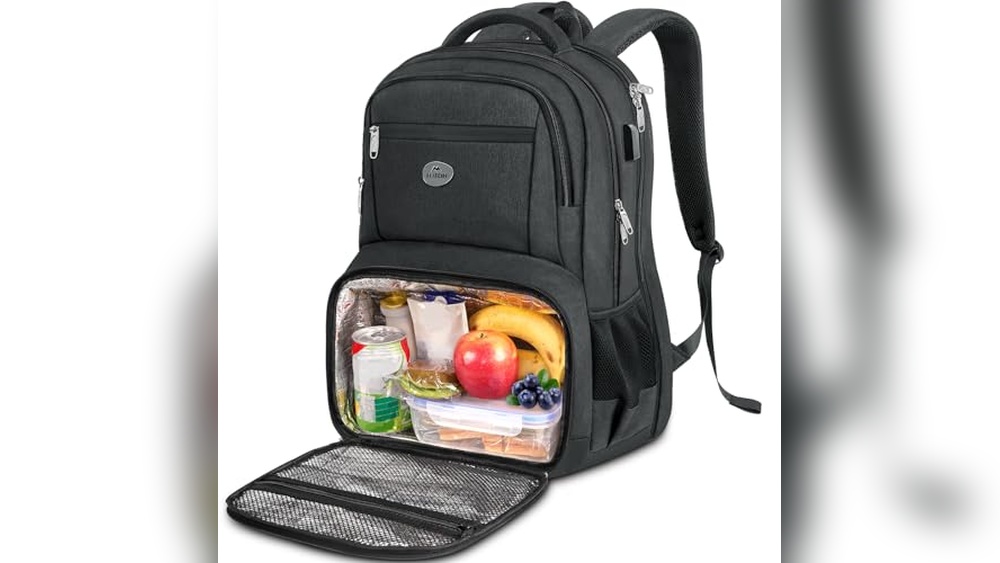
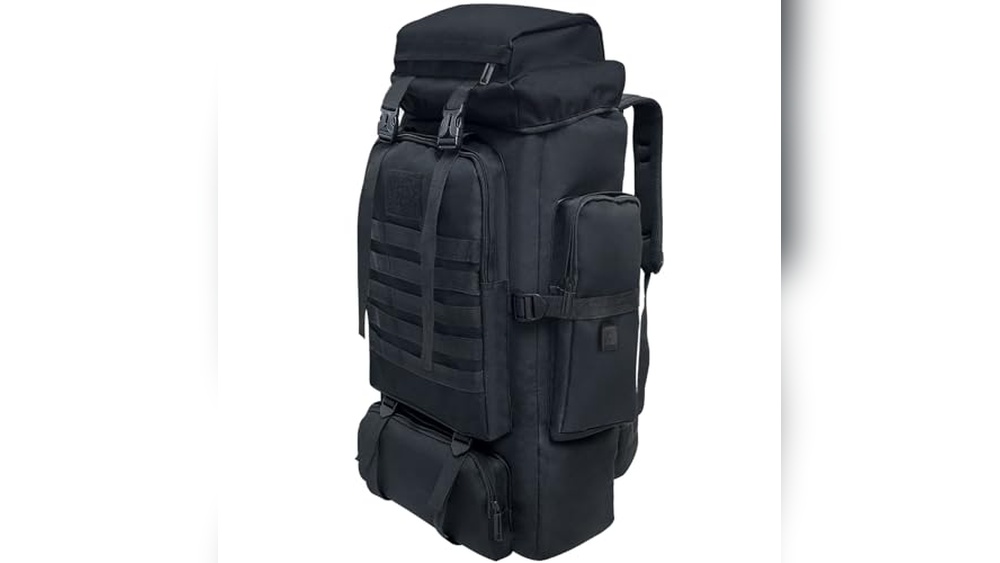
Choosing the right backpack makes carrying your bow easier and safer. It helps protect your gear and keeps your hands free. Picking a backpack that fits your needs is key for a good outdoor experience.
Backpack Features For Bow Carry
Look for backpacks with special straps or holders for bows. These features keep the bow steady and stop it from moving. Some backpacks have padded sections to protect the bow from scratches. Easy access pockets help store arrows and other gear. Comfort is important, so padded shoulder straps and back panels help.
Size And Capacity Considerations
Choose a backpack size that fits your bow and other equipment. It should hold your bow without bending or damage. Consider space for extra gear like water, food, and clothing. A backpack that is too big can feel heavy and bulky. Too small means your gear won’t fit properly. Balance size and weight for a comfortable carry.
Preparing Your Bow
Preparing your bow is an important step before strapping it to your backpack. It keeps the bow safe during travel. It also makes carrying easier and prevents damage. Taking the time to prepare your bow right helps it last longer. It ensures your gear stays in good shape for every trip.
Two main tasks help with preparation. First, detaching any loose accessories. Second, protecting the bowstring. These actions protect your bow and make it ready to carry.
Detaching Accessories
Remove all accessories from your bow before packing. This includes sights, stabilizers, quivers, and arrow rests. Loose parts can break or bend during transport. Detaching them keeps the bow balanced and compact. Store the accessories separately in a safe place. Use padded cases or wrap them in cloth. This prevents scratches and damage.
Protecting The Bowstring
The bowstring is delicate and can wear out quickly. Cover it with a string guard or wax it to keep it strong. Avoid bending or twisting the string while packing. Use a bow string sleeve or soft cloth to shield it. This prevents dirt and moisture from causing harm. Protecting the bowstring helps maintain good tension and performance.
Strapping Techniques
Strapping your bow to a backpack needs care and good technique. Proper strapping keeps the bow safe and easy to carry. It also protects the bow from damage during your trip. Different methods work better for different bows and backpacks. Choose the right technique for your gear and comfort.
Vertical Vs Horizontal Placement
Vertical placement means strapping the bow upright along the backpack’s side. This way, the bow stays close to your body. It limits swinging and keeps the bow stable. Vertical placement fits well with tall bows and narrow backpacks.
Horizontal placement lays the bow across the backpack’s back or top. This spreads the weight more evenly. It works well for shorter bows or when vertical space is tight. Horizontal strapping can be easier to access quickly.
Using Bow Slings And Straps
Bow slings help hold the bow securely on your backpack. They wrap around the bow and backpack frame. Adjustable straps let you tighten or loosen for the best fit. Use padded slings to protect the bow’s finish from scratches.
Regular backpack straps can also secure the bow. Thread them through the bow’s riser or limbs carefully. Make sure the bow stays firm but not too tight. Loose straps can cause damage or noise on the trail.
Securing The Bow To The Backpack
Securing the bow to the backpack is essential for safe and easy transport. It keeps the bow stable and protects it from damage. Proper strapping also frees your hands for other tasks. This section shows how to attach the bow correctly. Follow these steps for a secure fit that lasts.
Step-by-step Attachment Process
Start by placing the bow against the backpack frame. Align it so the limbs do not press on the pack. Use straps or bungee cords to hold the bow in place. Tighten the straps but avoid squeezing the bow too hard. Check that the bow does not move when you shake the pack. Secure any loose ends to prevent snagging. Finally, make sure the arrow rest and string face away from the backpack.
Avoiding Common Mistakes
Do not strap the bow too tightly; this can damage the limbs. Avoid placing the bow where it can hit rocks or branches. Do not let the bow dangle or hang loosely. Check that straps are not twisted or worn out. Never cover the bowstring with heavy gear or sharp objects. Keep the bow balanced to prevent shifting during movement. Regularly inspect the bow’s position and straps before hiking.
Additional Tips For Safe Transport
Transporting your bow safely on a backpack requires more than just strapping it on. Protecting your gear and keeping yourself comfortable matters a lot. Use these extra tips to make your journey easier and safer.
Balancing Weight And Comfort
Place the bow in a way that spreads the weight evenly. Avoid putting all the weight on one side. This balance helps reduce strain on your back and shoulders. Tighten straps just enough to keep the bow steady. Too loose, and it will move around. Too tight, and it can cause discomfort. Adjust the backpack straps to fit your body well.
Weatherproofing Your Gear
Protect your bow from rain and moisture. Use a waterproof cover or a plastic bag. Make sure the cover fits snugly around the bow. Check the cover often during your trip. Wet gear can get damaged or rusty. Dry your bow and backpack thoroughly after each use. This step keeps your equipment in good shape for longer.
Maintenance After Carrying
After carrying your bow on a backpack, proper maintenance is important. It keeps your gear in good shape and ready for the next trip. Small care steps can stop damage and extend the life of your bow and straps. Follow these simple tips to maintain your equipment after each use.
Inspecting Bow And Straps
Check your bow for any cracks or dents. Look closely at the limbs and riser for damage. Examine the string for frays or loose strands. Inspect the straps for tears or worn areas. Make sure all buckles and fasteners work well. Catch problems early to avoid bigger repairs later.
Cleaning And Storage
Wipe down your bow with a soft cloth to remove dirt and sweat. Use a mild soap and water if needed. Dry the bow completely before storing it. Clean the straps by brushing off dirt and dust. Store your bow and straps in a cool, dry place. Avoid direct sunlight or damp areas to prevent damage.
Frequently Asked Questions
How Do I Secure A Bow To My Backpack Safely?
Use strong straps or bungee cords to fasten the bow. Attach it firmly to avoid movement. Position it to prevent damage and for easy access.
What Type Of Straps Work Best For Bow Attachment?
Nylon or elastic bungee straps work best. They provide flexibility and a tight hold. Avoid weak or loose straps for safety.
Can I Carry A Compound Bow On My Backpack?
Yes, you can carry a compound bow using proper straps. Ensure the bow is unloaded and safely secured. Use padding to protect the bow’s cams.
Where Is The Best Place To Strap A Bow On A Backpack?
Strap the bow on the side or back panel of the backpack. This keeps the bow stable and accessible. Avoid obstructing your movement or other gear.
Conclusion
Strapping your bow to a backpack keeps it safe and ready. Use sturdy straps and position the bow carefully. Check the fit often during your trip. A secure bow makes your outdoor experience better. Practice this method to find what works best.
Stay prepared and enjoy your adventure with ease. Safe gear means more fun in the wild. Keep your bow close and travel light. Simple steps lead to a smooth journey every time.