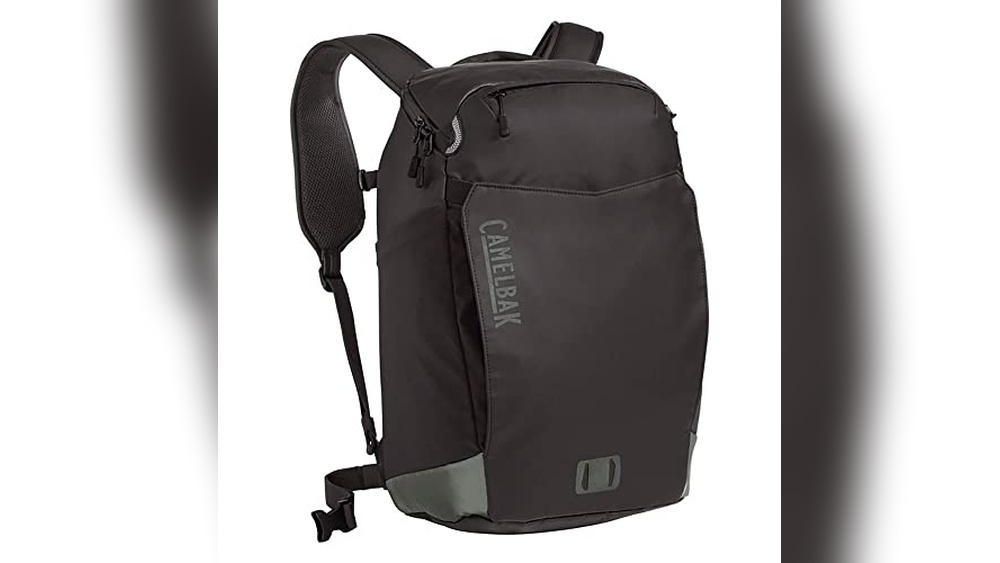
Carrying a heavy backpack can turn your adventure into a struggle. You want to move freely, enjoy the trail, and avoid aches that slow you down.
But how do you keep your pack light without leaving behind essentials? This guide will show you simple, practical ways to save weight backpacking. By making smart choices, you’ll feel stronger, hike longer, and enjoy every step. Ready to lighten your load and boost your experience?
Let’s dive in.
Choosing The Right Backpack
Choosing the right backpack matters a lot for saving weight while backpacking. A good backpack holds your gear without adding extra bulk. It also fits well to keep you comfortable on long trails. Picking the right size and style helps carry only what you need.
Think about your trip length and what gear you will bring. A well-chosen backpack makes your journey easier and lighter. Here are key points to consider when selecting a backpack.
Size And Capacity
Choose a backpack size that matches your trip length. Small packs suit day hikes or short trips. Larger backpacks work for multi-day adventures. Avoid big packs that tempt you to carry too much stuff.
Look for a pack with the right volume in liters. Around 30-50 liters fits most 1-3 day trips. Packs over 50 liters suit longer trips but may add weight. Carry only what you need to save weight.
Weight Considerations
Select a backpack made from lightweight materials. Nylon and polyester blends often weigh less. Heavy backpacks add strain and slow you down. Check the pack’s empty weight before buying.
Minimal padding and simple frame designs keep weight low. Avoid extra features you won’t use. Every ounce counts on the trail.
Comfort And Fit
Try on backpacks with weight inside to test comfort. Adjustable straps help fit the pack to your body. A good fit spreads weight evenly across hips and shoulders.
Look for padded hip belts and shoulder straps. These reduce pressure points and prevent pain. A comfortable backpack lets you carry gear longer without strain.
Packing Essentials Only
Packing light is key to saving weight while backpacking. Carrying only what you truly need makes your trip easier and more enjoyable. Every extra item adds weight and slows you down. Focus on essentials that serve more than one purpose. This approach cuts bulk and keeps your load manageable.
Prioritizing Multi-use Items
Choose items that perform multiple tasks. A bandana can be a towel, sun shield, or pot holder. A jacket that works for warmth and rain protection saves space. Multi-use gear reduces the total number of items. This strategy is smart and practical for light packing.
Minimizing Clothing
Take only the clothes you will wear. Pick lightweight, quick-drying fabrics. Limit yourself to one or two shirts and pants. Layering helps adjust to weather without extra bulk. Avoid packing “just in case” clothes. Less clothing means less weight on your back.
Essential Gear Checklist
Create a list of must-have gear before packing. Include a reliable tent or shelter, sleeping bag, and cooking tools. Add a water filter and first aid kit. Keep electronics and accessories minimal. Stick to what supports survival and comfort only.
Selecting Lightweight Gear
Saving weight is key to a better backpacking trip. Choosing light gear helps you carry less and hike more comfortably. Every item counts, from your shelter to your sleeping bag. Picking the right gear makes your journey easier and more fun.
Ultralight Tents And Shelters
Ultralight tents are small and weigh just a few pounds. They use thin but strong materials to save weight. Some shelters like tarps are even lighter and pack smaller. These options protect you from rain and wind without heavy bulk. Less weight means less strain on your shoulders.
Compact Cooking Equipment
Cooking gear can add weight fast. Small stoves and pots cut down on bulk. Look for titanium or aluminum, which are both light and tough. A simple stove with one burner can cook most meals well. Carrying less weight helps you hike longer each day.
Lightweight Sleeping Bags And Pads
Sleeping bags made from down or synthetic materials can be very light. Choose bags rated for the temperatures you expect. Lightweight sleeping pads add comfort without heavy weight. Inflatable pads pack small and feel soft. Good rest keeps your energy high on the trail.
Smart Food And Water Choices
Choosing the right food and water makes a big difference when backpacking. Carrying less weight helps you move faster and feel better. Smart choices keep you energized without carrying heavy bags. Focus on food that gives good energy but weighs less. Think about how you will get water along the way. Planning meals well saves space and avoids waste. These tips help you pack light and stay strong on the trail.
High-calorie, Lightweight Foods
Pick foods that have many calories in small packages. Nuts and seeds are great for energy and light weight. Dried fruits add sweetness and nutrients without water weight. Energy bars and trail mix combine many ingredients in one. Instant oatmeal and powdered milk are good for quick meals. Avoid heavy canned foods or fresh vegetables that spoil fast. Focus on items that last long and fuel your body well.
Water Filtration Vs. Carrying Water
Carrying too much water adds a lot of weight. Water filters let you drink safely from streams or lakes. Choose a small, lightweight filter to clean water on the trail. This reduces how much water you need to carry. Check water sources on your route before you start. Always have a backup method to purify water. Clean water keeps you healthy and light on your feet.
Meal Planning For Efficiency
Plan meals that use few ingredients but taste good. Pack foods that cook quickly or need no cooking. Measure portions to avoid carrying extra food. Mix flavors and textures to keep meals interesting. Pre-pack meals in separate bags for each day. This helps you stay organized and avoid waste. Efficient meal planning saves weight and time on the trail.
Clothing Strategies
Choosing the right clothes can make your backpack lighter and your trip easier. Smart clothing choices help reduce weight without losing comfort. Focus on materials and how you wear your clothes.
Think about how each piece can serve more than one purpose. This way, you carry less and stay ready for different weather.
Layering For Versatility
Layering means wearing several thin clothes instead of one thick one. You can add or remove layers to match the weather. A base layer keeps sweat away from your skin. A middle layer traps heat to keep you warm. An outer layer protects against wind and rain. This system saves weight because one set of layers works for many conditions.
Quick-dry Fabrics
Pick clothes made from quick-dry materials like nylon or polyester. These fabrics dry fast after rain or sweat. Dry clothes keep you warm and stop chills. You can wash them easily on the trail. Avoid cotton. It holds water and takes long to dry, making you cold and heavy.
Limiting Footwear
Carry as few shoes as possible. One sturdy pair for hiking is enough. If needed, pack lightweight sandals for camp. Fewer shoes mean less weight and space. Choose shoes that dry quickly and fit well. Comfortable footwear prevents blisters and pain on long walks.
Organizing And Distributing Weight
Organizing and distributing weight in your backpack is key to a comfortable trip. Proper weight management reduces strain on your body. It also helps you walk longer without pain. Simple steps can make your backpack feel lighter.
Packing Techniques
Start by packing heavy items close to your back. This keeps your center of gravity stable. Place lighter items near the top and outside pockets. Use small bags to keep things tidy. It stops items from shifting during the hike.
Balancing The Load
Spread weight evenly on both sides of your pack. Avoid packing all heavy gear on one side. This balance prevents muscle strain and improves posture. Check your pack before each hike. Adjust items to maintain even weight distribution.
Using Compression Sacks
Compression sacks reduce the size of soft items like clothes and sleeping bags. They save space and keep your pack organized. Tighten the sack straps to push air out. This makes your pack lighter and easier to carry.
Reducing Non-essential Items
Reducing non-essential items is key to carrying less weight while backpacking. Every extra item adds more pounds. Less weight means easier travel and more comfort.
Focus on what you truly need. Cut out anything that does not serve a direct purpose. This approach saves space and energy.
Eliminating Redundancies
Check your gear for duplicates. Carrying two similar items wastes weight and space. For example, choose one type of cooking pot or one multi-tool. Avoid packing extra clothes that serve the same function. Keep only one of each essential item.
Digital Vs. Paper Maps
Paper maps are heavy and bulky. A smartphone or GPS device can hold many maps in one place. Digital maps also allow zooming and easier navigation. Carry a power bank to keep devices charged. This switch reduces weight without losing important navigation tools.
Minimalist First Aid Kits
First aid kits often contain many unused items. Choose a small kit with only essential supplies. Bandages, antiseptic wipes, and pain relief pills cover most needs. Avoid bulky bottles and extra packaging. A slim, light kit is enough for common injuries.
Maintaining Your Gear
Maintaining your gear is key to saving weight while backpacking. Well-kept equipment lasts longer and works better. This means you carry less backup and avoid heavy fixes on the trail.
Good maintenance also keeps your gear light. Dirt, water, and damage add weight and slow you down. Staying on top of gear care helps you travel easier and safer.
Regular Gear Checks
Check your gear often before and during your trip. Look for loose straps, broken zippers, or worn fabric. Small problems can turn into big ones fast. Fixing them early keeps your gear in good shape. It also stops extra weight from sneaking in.
Repairing On The Trail
Carry a small repair kit with needle, thread, and tape. Fix tears and broken parts right away. Quick repairs stop damage from getting worse. This saves you from carrying heavy, broken gear. It keeps your pack lighter and your trip smooth.
Keeping Gear Clean And Dry
Clean your gear regularly to remove dirt and mud. Dry it well after rain or washing. Wet gear adds weight and can cause mold or damage. Dry, clean equipment works better and lasts longer. This helps you save weight and stay comfortable.
Frequently Asked Questions
What Are The Best Lightweight Backpacking Gear Essentials?
Choosing lightweight gear like a compact tent, sleeping bag, and stove reduces pack weight. Opt for multi-use items to save space and carry less. Prioritize durability while keeping weight minimal for a comfortable backpacking experience.
How Can I Minimize Food Weight For Backpacking Trips?
Pack dehydrated or freeze-dried meals as they are lightweight and nutritious. Use resealable bags for portion control and avoid heavy cans. Plan meals carefully to carry only what you need and reduce unnecessary food weight.
What Clothing Should I Pack To Save Backpack Weight?
Select versatile, moisture-wicking, and quick-dry clothing layers. Avoid packing heavy or multiple bulky items. Choose lightweight fabrics like merino wool or synthetic blends for comfort and weight savings during backpacking.
How Does Packing Technique Affect Backpack Weight?
Efficient packing distributes weight evenly and compresses gear to save space. Use compression sacks and pack heavy items close to your back. Organizing gear smartly reduces strain and makes carrying easier on long hikes.
Conclusion
Saving weight while backpacking makes your trip easier and more fun. Pack only what you truly need. Choose light and multipurpose gear. Keep your food and water plans simple. Small changes add up to big weight cuts. Walk farther with less strain.
Enjoy nature without heavy burdens. Every step feels lighter and freer. Start planning smart, and your back will thank you. Ready to hit the trail with less weight?