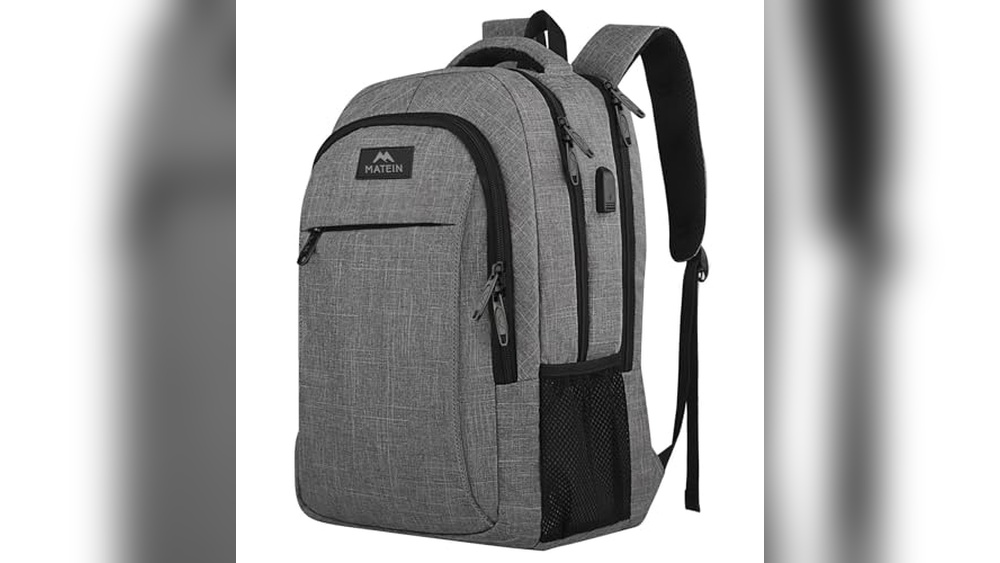
Packing a backpack might seem simple, but doing it the right way can make all the difference in your comfort and convenience. Imagine reaching for something important, only to find it buried at the bottom or feeling weighed down by an uneven load.
You want your backpack to support you, not slow you down. In this guide, you’ll discover easy tips and smart tricks to pack your backpack efficiently, so every item has its place and you carry only what you need. Ready to make your next trip smoother and more enjoyable?
Let’s dive in.
Choosing The Right Backpack
Choosing the right backpack is key for a good trip. A backpack should fit your needs and be comfortable to carry. The right choice helps you pack smart and stay organized. Think about how long your trip is and what you will carry. This helps pick the best size and style. Pay attention to the backpack’s features and material quality. This section will guide you through important points for choosing the perfect backpack.
Size Matters
Choose a backpack size based on your trip length. Small backpacks work well for day trips. Bigger ones suit longer trips or heavy gear. A backpack too large feels heavy and bulky. Too small means you cannot fit all items. Try different sizes to find what fits your body. Check the volume in liters. Around 20-30 liters works for short trips. For longer trips, 40-60 liters is better.
Features To Look For
Look for padded shoulder straps. They make carrying easier and less painful. A waist belt helps spread the weight. Multiple compartments keep your stuff organized. Water-resistant zippers protect your items from rain. External pockets let you reach important things fast. Ventilated back panels keep you cool and dry. Adjustable straps allow a better fit. These features improve comfort and convenience.
Material And Durability
Pick backpacks made of strong material. Nylon and polyester are common and last long. Ripstop fabrics resist tears and rips. Water-resistant or waterproof materials protect your gear. Check the quality of zippers and stitching. Weak parts break easily and cause trouble. Durable backpacks save money in the long run. They handle rough use and bad weather better.
Planning Your Packing List
Planning your packing list is the first step to a well-packed backpack. It helps you carry only what you need. This saves space and weight. A good list stops you from overpacking. It also makes sure you don’t forget important things.
Think about your trip length, weather, and activities. Write down items that fit these needs. Keep your list simple and clear. This way, packing becomes easier and faster.
Essentials Only
Choose items that are absolutely necessary. Focus on basics like clothes, toiletries, and important documents. Avoid items that you can easily buy at your destination. Essentials keep your backpack light and manageable. Carrying less makes travel more comfortable.
Layering Clothes
Pack clothes that work in layers. Thin shirts, sweaters, and jackets help adjust to temperature changes. Layering saves space because you can mix and match. It also keeps you warm without bulky coats. Think about clothes that dry fast and don’t wrinkle easily.
Multipurpose Items
Bring items that serve more than one function. A scarf can be a blanket or sun shield. A smartphone can replace a map, camera, and music player. Multipurpose gear reduces the number of things you carry. This makes your backpack lighter and more useful.
Packing Techniques
Packing a backpack well can make your trip easier and more fun. Using smart packing techniques helps save space and keeps your items safe. It also makes your backpack comfortable to carry. Below are some simple ways to pack your backpack better.
Rolling Vs Folding
Rolling clothes saves more space than folding. It also reduces wrinkles. Rolling lets you fit more items in small spaces. Folding works well for stiff or thick clothes. You can mix both methods depending on the item. Try rolling t-shirts and folding jeans for best results.
Using Packing Cubes
Packing cubes organize your items neatly. They keep clothes, gadgets, and accessories separate. This stops your bag from becoming messy. Cubes also make it easy to find things fast. Choose cubes of different sizes for better sorting. Lightweight cubes add little weight to your backpack.
Distributing Weight
Put heavy items close to your back. This keeps your balance and reduces strain. Lighter things go near the top and outer parts. Spread weight evenly on both sides. Avoid putting all weight on one side. Proper weight distribution makes walking easier and safer.
Organizing Small Items
Organizing small items in your backpack makes travel easier and less stressful. Small things can get lost or damage other items if not packed well. Keeping them tidy helps you find what you need quickly. It also keeps your backpack balanced and neat.
Using Pouches And Bags
Use small pouches or bags to group similar items together. This stops tiny things from scattering inside your backpack. Clear pouches work well because you see what’s inside without opening them. Soft bags protect fragile items from scratches or damage. Label each pouch to save time when searching.
Keeping Electronics Safe
Electronics need extra care in a backpack. Use padded cases for phones, chargers, and power banks. Wrap cords neatly to avoid tangles and damage. Place electronics in a separate pouch to protect them from liquids or heavy items. This keeps your devices safe and easy to access.
Toiletry Organization
Toiletries should stay dry and leak-free inside the backpack. Use a waterproof toiletry bag with compartments to separate items. Put liquids in small bottles to save space and reduce weight. Store toothpaste, soap, and brushes in different sections to avoid mess. Check the bag often for leaks or spills.
Maximizing Space
Packing a backpack efficiently saves space and keeps your gear organized. Maximizing space helps carry more without adding bulk. Simple tricks make a big difference in fitting everything inside.
Stuffing Shoes
Shoes take up space but can hold small items inside. Put socks, chargers, or toiletries inside your shoes. This uses empty space and keeps shoes in shape. Place shoes at the bottom or sides of the backpack.
Filling Gaps
Look for gaps between larger items. Fill them with soft items like t-shirts or hats. Small items like gloves or snacks also fit well. Filling gaps stops your gear from shifting while walking.
Compressing Bulky Items
Bulky items take much space. Use compression bags or straps to reduce their size. Squeeze air out of jackets or sleeping bags before packing. Smaller bundles create more room for other essentials.
Accessibility Tips
Keeping your backpack organized helps you find things fast. Accessibility tips make your trip smooth and stress-free. Pack smart to reach important items without unpacking everything.
Items To Keep Handy
Put essentials like your phone, wallet, and keys in easy-to-reach spots. Snacks and a water bottle should also be near the top. Keep a small first aid kit within quick reach for emergencies.
Using External Pockets
Use outside pockets for things you need often. Sunglasses, maps, and chargers fit well here. These pockets save time and keep your main compartment tidy.
Quick Access Strategies
Organize items by priority and frequency of use. Place high-use items on top or in front pockets. Use small pouches or bags inside to separate and find items quickly.
Safety And Security
Keeping your backpack safe and secure is very important. It protects your belongings from theft and damage. Small steps can make a big difference in safety. Packing smartly helps you avoid stress and loss during travel or daily use.
Locking Your Backpack
Use a small lock to secure zippers. Choose a lock that is easy to carry but strong enough to stop thieves. Locking your backpack adds a simple layer of protection. It keeps your items safe when you leave your bag unattended.
Waterproofing
Water can damage your belongings. Use waterproof covers or bags inside your backpack. Rain and spills do not ruin your things. Waterproof backpacks are also available for extra safety. Protect your electronics and important papers from water damage.
Protecting Valuables
Keep valuables close to your body. Use inner compartments or hidden pockets for items like wallets and phones. Avoid easy access by strangers. This reduces the risk of pickpocketing. Always be aware of your surroundings to keep your valuables safe.
Maintaining Backpack Health
Keeping your backpack in good shape helps it last longer and work better. Regular care prevents damage and keeps it clean. A well-maintained backpack also stays comfortable to carry.
Follow simple steps to protect your backpack’s health. Clean it, fix small problems early, and store it properly. These actions keep your backpack ready for every trip.
Cleaning Tips
Remove all items before cleaning your backpack. Shake out loose dirt and crumbs. Use a soft brush or cloth to wipe the surface gently.
Wash stubborn stains with mild soap and water. Avoid harsh chemicals that can damage fabric. Let your backpack air dry fully before storing or using.
Repairing Wear And Tear
Check for small tears or broken zippers after each use. Fix minor rips with a needle and thread. Replace broken zippers to keep your backpack secure.
Fix loose straps or buckles quickly. Small repairs stop bigger damage later. Use patches to cover worn spots.
Proper Storage
Store your backpack in a cool, dry place. Avoid direct sunlight to prevent fading. Keep it empty and open to maintain shape.
Hang your backpack or lay it flat. Do not store it while wet. Good storage keeps your backpack fresh and ready to use.
Frequently Asked Questions
How Do I Organize Items In My Backpack?
Start by placing heavy items close to your back for balance. Use compartments to separate gear. Pack frequently used items on top or in accessible pockets.
What’s The Best Way To Pack Clothes In A Backpack?
Roll clothes tightly to save space and reduce wrinkles. Use compression bags for bulky items. Place clothes around heavier gear for cushioning.
How Can I Keep My Backpack Comfortable To Carry?
Distribute weight evenly to avoid strain. Adjust shoulder straps and hip belt properly. Take breaks to relieve pressure during long hikes.
Should I Pack Food Inside Or Outside The Backpack?
Pack food inside sealed containers to avoid spills. Store snacks in easy-to-reach pockets for quick access. Protect food from moisture and animals by using bear-proof bags if needed.
Conclusion
Packing a backpack well makes your trip easier and more fun. Keep heavy items close to your back for balance. Use small bags to stay organized and find things fast. Roll clothes to save space and reduce wrinkles. Don’t forget to leave some room for souvenirs or extra gear.
A well-packed backpack feels lighter and helps you move freely. Practice these tips to pack smarter every time. Ready for your next adventure? Now you know how best to pack a backpack.