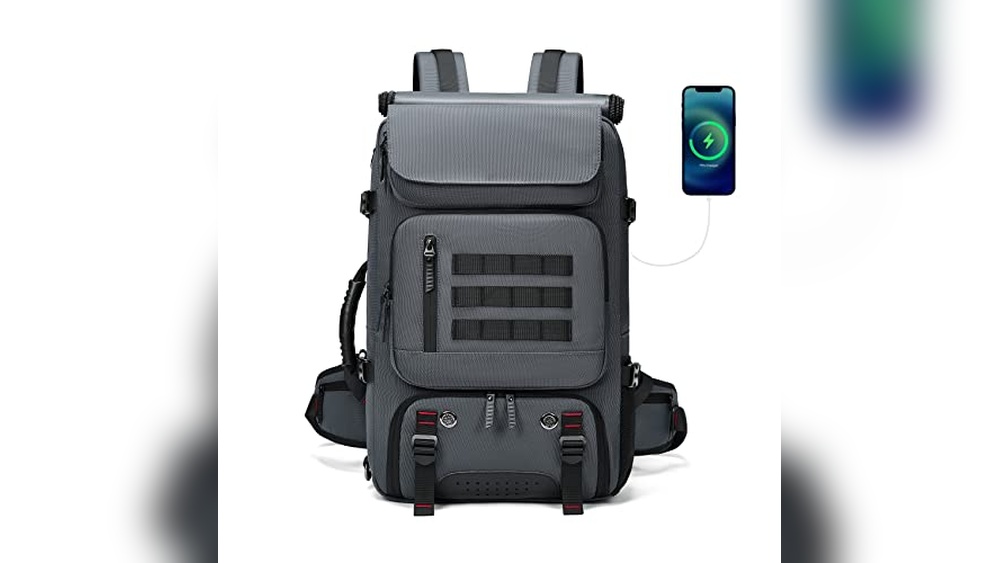
Planning a 7-day backpacking trip can feel overwhelming. You need to carry everything you’ll need, but you don’t want to be weighed down.
How do you pack smart and still have enough space for all your essentials? This guide will show you exactly how to choose and use a big capacity backpack so you can stay comfortable and prepared throughout your adventure. By the end, you’ll know how to pack like a pro and enjoy every step of your trip without worrying about your gear.
Ready to make your backpack work for you? Let’s dive in!
Choosing The Right Backpack
Choosing the right backpack for a 7-day trip is very important. It affects your comfort and how much you can carry. A good backpack fits well and has the right size. It also has useful features for your adventure. Think about your needs before buying.
Capacity And Size
The backpack must hold all your gear for seven days. Choose a bag with 50 to 70 liters capacity. This size is enough for clothes, food, and tools. Avoid a backpack too big or too small. Too big means extra weight. Too small means no space for essentials.
Fit And Comfort
Comfort is key for long hikes. Look for padded shoulder straps and a strong hip belt. These parts help spread the weight evenly. The back panel should allow air to flow. Adjust the straps to fit your body well. A good fit reduces pain and fatigue.
Features To Look For
Check for multiple compartments to organize your gear. Side pockets help store water bottles or snacks. A rain cover protects your bag in wet weather. Compression straps keep your load stable. Easy access zippers save time. These features make your trip smooth and safe.
Essential Gear For 7 Days
Packing for a 7-day backpacking trip requires careful planning. Choosing the right gear ensures comfort and safety throughout your adventure. This section lists essential items you need for shelter, clothing, and cooking. Each category plays a vital role in your overall experience.
Shelter And Sleeping Gear
A lightweight tent or hammock provides protection from weather. Include a rainfly to keep dry during rain. A sleeping bag with the right temperature rating keeps you warm. Use a sleeping pad for insulation and comfort. These items help you rest well after long hiking days.
Clothing And Footwear
Pack quick-dry clothes to stay comfortable and clean. Bring layers to adjust to changing temperatures. Include a waterproof jacket to stay dry in wet weather. Choose sturdy hiking boots with good grip for rough trails. Extra socks and underwear prevent blisters and discomfort.
Cooking And Food Supplies
A compact stove and fuel let you cook meals easily. Bring lightweight pots and utensils for cooking and eating. Carry enough food for seven days, focusing on high-energy options. Pack snacks like nuts and dried fruits for quick energy. Always include a water filter or purification tablets to stay hydrated safely.
Packing Strategies
Packing for a 7-day backpacking trip requires smart strategies. Efficient packing saves space, reduces weight, and keeps items easy to find. Good techniques make the journey more comfortable and organized.
Weight Distribution
Place heavy items close to your back and centered in the bag. This helps balance the load and reduces strain. Keep lighter items at the top and edges to maintain stability. Distribute weight evenly on both sides to avoid leaning or discomfort.
Organizing With Packing Cubes
Packing cubes separate clothes and gear by category. They keep things neat and easy to access. Use different cubes for shirts, pants, and accessories. This method saves time and prevents messy digging inside the backpack.
Waterproofing Techniques
Protect your gear from rain and moisture with simple waterproofing. Use dry bags or plastic liners inside the backpack. Wrap electronics and important documents in waterproof cases. This keeps your items dry and safe throughout the trip.
Safety And Navigation Tools
Safety and navigation tools are crucial for a 7-day backpacking trip. They help you stay safe and find your way in the wild. Carrying the right gear can prevent accidents and keep you calm in tough situations.
First Aid Kit Essentials
A well-stocked first aid kit can treat cuts, scrapes, and insect bites. Include bandages, antiseptic wipes, pain relievers, and tweezers. Pack allergy medicine and blister pads for common issues. Keep everything in a waterproof bag to stay dry.
Navigation Devices
Maps and compasses are basic tools that never fail. A GPS device adds extra security for precise location tracking. Download offline maps on your phone before the trip. Check batteries and bring spares to avoid getting lost.
Emergency Communication
Carry a whistle to signal for help in emergencies. A satellite phone works where cell signals are weak. Personal locator beacons (PLBs) can alert rescue teams quickly. Make sure to learn how to use these devices before you leave.
Personal Care Items
Personal care items are essential for a 7-day backpacking trip. They keep you clean, comfortable, and healthy. Carrying the right items helps prevent common issues like skin irritation and sunburn. Pack only what you need to save space and weight.
Hygiene Products
Bring travel-sized soap and shampoo to stay fresh. A small toothbrush and toothpaste are must-haves. Carry a quick-dry towel to save room in your bag. Wet wipes and hand sanitizer help clean hands when water is scarce. Pack a razor and deodorant if needed. Keep all items in a waterproof bag to avoid leaks.
Sun Protection
Sun protection is crucial outdoors. Choose a broad-spectrum sunscreen with at least SPF 30. Apply it every few hours to avoid burns. Lip balm with SPF protects your lips. Wear a wide-brimmed hat and sunglasses to shield your face and eyes. Lightweight, long-sleeve shirts also reduce sun exposure.
Insect Repellent
Insects can spoil your trip. Use a reliable insect repellent to keep bugs away. Products with DEET or natural oils work well. Apply repellent to all exposed skin and clothes. Carry a small bottle for easy reapplication. Consider treating your clothes with insect repellent for extra protection.
Tips For Reducing Weight
Carrying a big capacity backpack for 7 days can be tough. Reducing weight helps make the hike easier and more fun. Lightening your load means less strain on your back and better energy throughout the trip.
Multi-purpose Gear
Choose gear that serves more than one purpose. A pot that also works as a bowl saves space and weight. A jacket that keeps you dry and warm cuts down on extra clothes. Multi-use items reduce what you must carry and simplify your pack.
Minimizing Clothing
Pack only what you need for changing weather. Pick lightweight, quick-dry fabrics. Limit yourself to two sets of clothes: one for hiking, one for sleeping. Wear your bulkiest clothes on the trail to save space. Avoid heavy cotton clothes that stay wet and heavy.
Food Weight Considerations
Plan meals with light, high-energy foods. Freeze-dried meals are easy to carry and cook. Carry snacks like nuts and dried fruits for quick energy. Avoid heavy cans and glass bottles. Use small containers and measure food to avoid extra weight.
Preparing For Different Weather
Preparing for different weather is key to a successful 7-day backpacking trip. Weather can change fast in the outdoors. You must be ready for rain, cold, or heat. Packing the right gear helps you stay safe and comfortable. Planning for weather means choosing the right clothes and tools.
Rain And Wet Conditions
Rain can soak your gear and clothes quickly. Pack a waterproof jacket with a hood. Use rain covers for your backpack. Choose quick-dry clothes to stay dry longer. Carry extra socks to keep your feet dry. Waterproof boots protect your feet from water. Keep important items in dry bags inside your pack.
Cold Weather Gear
Cold weather needs warm layers. Start with a moisture-wicking base layer. Add an insulating layer like fleece or down. Finish with a windproof and waterproof outer layer. Bring a warm hat and gloves. Use thermal socks to keep feet warm. A sleeping bag rated for cold temperatures helps at night. Avoid cotton clothes; they hold moisture and get cold.
Heat Management
Hot weather needs light and breathable clothes. Wear a wide-brim hat to protect from the sun. Use sunscreen on exposed skin. Drink water often to stay hydrated. Choose clothes that cover skin but allow air flow. Plan hikes early or late in the day to avoid heat. Rest in shaded areas to cool down. Carry a cooling towel for relief.
Frequently Asked Questions
What Size Backpack Is Best For 7-day Trips?
A 60-80 liter backpack is ideal for 7-day trips. It offers enough space for clothes, gear, and food. Choose one with adjustable straps and compartments for better organization. This size balances capacity and comfort for extended backpacking.
How To Pack Efficiently For A 7-day Backpacking Trip?
Pack lightweight, multi-use items to save space. Prioritize essentials like clothing, shelter, and food. Use compression bags to reduce bulk. Organize gear by frequency of use. This method ensures a balanced, comfortable load for a week-long trip.
What Essentials To Carry In A Big Capacity Backpack?
Include shelter, sleeping bag, cooking gear, food, water, and clothing. Don’t forget navigation tools, first aid, and weather-appropriate gear. Carry only necessary items to avoid extra weight. A well-packed backpack improves safety and comfort during your adventure.
How To Maintain Comfort With A Large Backpack?
Adjust straps and hip belt for even weight distribution. Use padded shoulder straps and back panels. Take breaks to relieve pressure and avoid strain. Proper fit and packing techniques reduce discomfort on long hikes. Comfort is key for a successful trip.
Conclusion
Packing a big capacity backpack for seven days takes good planning. Choose items that are useful and light. Keep your load balanced to stay comfortable on the trail. Organize gear for quick access and easy repacking. Remember to bring enough food and water for the journey.
Staying prepared helps you enjoy every step outside. With the right backpack and smart packing, your trip will feel smooth and fun. Adventure awaits, so pack wisely and get ready to explore.