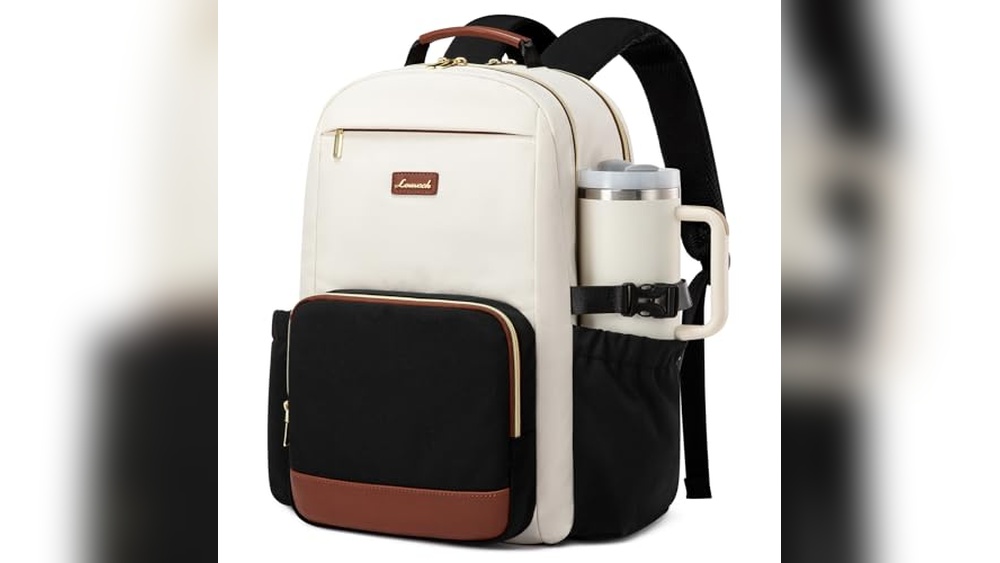
You’ve invested in a good backpack, and you want it to last. But how you store it can make all the difference.
Leaving your backpack tossed in a corner or crammed into a tight space can damage its shape, zippers, and fabric. Imagine reaching for your bag only to find it worn out or misshapen. That’s frustrating, right? In this guide, you’ll discover simple, effective tips to store your backpack the right way.
Keep reading to protect your gear and make sure your backpack stays ready for every adventure.
Choose The Right Storage Spot
Choosing the right spot to store your backpack protects it from damage. A good place keeps your backpack clean and ready for use. Picking a proper storage location extends its life and maintains its look. Consider light, moisture, and temperature when deciding where to keep your backpack.
Avoid Direct Sunlight
Sunlight can fade the colors of your backpack. It also weakens the fabric and straps over time. Keep your backpack away from windows or places with strong light. A shaded area helps keep your backpack fresh and vibrant longer.
Keep Away From Moisture
Moisture can cause mold and bad smells in your backpack. Avoid damp basements or spots near sinks and pipes. Use a dry place to stop water damage and keep your backpack clean. Moisture can ruin zippers and fabric fast.
Select A Cool, Dry Area
A cool, dry spot prevents heat and moisture damage. Heat can weaken materials and dry out leather parts. Find a space with good air flow and low humidity. This helps keep your backpack in top shape for every trip.
Clean Your Backpack First
Cleaning your backpack before storing it is very important. Dirt and leftover items can cause damage over time. A clean backpack lasts longer and stays fresh. Follow these steps to prepare your backpack for storage.
Empty All Pockets
Check every pocket and compartment. Take out all items, including small ones. Even crumbs or tiny debris can attract bugs. Emptying pockets helps prevent odors and damage.
Remove Dirt And Debris
Shake the backpack upside down to remove loose dirt. Use a soft brush or cloth to clean the surface. Pay attention to seams and zippers where dirt hides. Keeping the backpack clean stops stains from setting in.
Spot Clean Stains
Look for any visible stains or marks. Use mild soap and a damp cloth to gently clean the spots. Avoid harsh chemicals that can damage fabric. Spot cleaning keeps your backpack looking neat and ready for use.
Dry Thoroughly Before Storing
Drying your backpack completely before storing is very important. Moisture left inside can cause mold and bad smells. It also weakens the fabric over time. Taking time to dry your backpack well keeps it fresh and ready for your next trip.
Drying may take a few hours or a day, depending on how wet it is. Patience helps prevent damage. Follow these tips to dry your backpack safely and effectively.
Air Dry In Shade
Place your backpack in a shaded area with good airflow. Direct sunlight can fade colors and harm fabric. Shade keeps the material safe while drying naturally. Open all compartments so air reaches every part. This method stops moisture without ruining your backpack.
Avoid Heat Sources
Do not use heaters, dryers, or direct fire to dry the backpack. Heat can melt or shrink fabrics and zippers. It also breaks down waterproof coatings. Let the backpack dry slowly at room temperature. This keeps your bag strong and lasting longer.
Ensure Zippers Are Open
Open all zippers fully during drying. This allows air to flow inside pockets and main compartments. Closed zippers trap moisture and slow drying. Opening zippers also prevents damage from stress on the zipper teeth. Your backpack stays clean and dry inside.
Protect Shape And Structure
Keeping your backpack’s shape helps it last longer and look better. Proper storage stops it from getting squished or bent. This keeps the fabric and zippers in good condition. Follow these tips to protect your backpack’s shape and structure.
Stuff With Soft Material
Fill your backpack with soft items like towels or clothes. This helps it keep its natural shape. Avoid hard or sharp objects inside. Soft stuffing supports the sides and bottom gently. It stops the bag from collapsing or folding.
Use A Support Frame
Use a frame or a stiff board inside the backpack. This gives extra support to the back panel. It helps the backpack stay upright and firm. You can buy a support frame or use a flat piece of cardboard. Just make sure it fits well inside.
Avoid Heavy Pressure
Do not put heavy things on top of your stored backpack. Heavy pressure can crush the shape and damage the material. Store it in a place where it won’t get squashed. Keep it away from piles of heavy boxes or bags.
Use Storage Bags And Covers
Using storage bags and covers helps protect your backpack from dust and dirt. It keeps the fabric clean and safe during storage. Choosing the right type of cover also prevents damage from moisture and bugs. Proper storage extends the life of your backpack and keeps it fresh for your next trip.
Choose Breathable Covers
Breathable covers allow air to flow around your backpack. This stops moisture from building up inside the bag. Moisture can cause mold and unpleasant smells. Covers made from cotton or mesh work well. They keep your backpack dry and fresh during storage.
Avoid Plastic Bags
Plastic bags trap moisture inside. This creates a damp environment that damages fabric. Mold and mildew can grow quickly in plastic covers. They also prevent air from circulating. Avoid using plastic bags to store your backpack.
Consider Dust Covers
Dust covers protect your backpack from dirt and dust particles. They are lightweight and easy to use. You can find dust covers made specifically for backpacks. Using a dust cover keeps your bag clean and ready to use.
Maintain Hardware And Fabric
Keeping your backpack in good shape helps it last longer. Both the hardware and fabric need care. Proper maintenance stops damage and keeps your bag looking new. Simple steps can protect zippers, fabric, and straps from wear. This saves money and keeps your backpack ready for any trip.
Lubricate Zippers
Zippers can get stuck or hard to move. Use a small amount of zipper lubricant or wax. This keeps zippers smooth and easy to open or close. Avoid using oil or grease that can attract dirt. Regular lubrication prevents zipper damage and extends its life.
Treat Fabric With Protectants
Fabric can fade or get stained over time. Spray a fabric protector designed for backpacks. This creates a barrier against water and dirt. Let the backpack dry fully after applying the spray. Protectants keep the fabric clean and reduce wear from daily use.
Check For Wear And Tear
Look closely at straps, seams, and fabric for damage. Small tears or loose threads can get worse fast. Repair minor issues early with needle and thread or patch kits. Replace broken buckles or worn-out parts to keep your backpack strong. Regular checks prevent bigger problems later.
Regularly Inspect And Rotate
Regularly inspecting and rotating your backpack helps keep it fresh and in good shape. This habit prevents damage and keeps odors away. It also helps catch small problems early. Proper care extends your backpack’s life and keeps it ready for your next trip.
Check For Mold Or Mildew
Look inside and outside your backpack for any signs of mold or mildew. These usually appear as dark spots or a musty smell. Mold can damage fabric and cause bad odors. Clean the backpack immediately if you find any mold or mildew. Dry it completely before storing again.
Air Out Periodically
Open your backpack and let fresh air flow through it. This stops moisture buildup and removes stale smells. Airing out the backpack every few weeks keeps it dry and fresh. Avoid storing it in a closed space for too long without airing.
Rotate Backpacks In Storage
If you own multiple backpacks, switch them regularly. Using each one prevents any from staying unused for too long. Long storage can cause fabric to weaken or develop odors. Rotating backpacks keeps all of them in good condition and ready to use.
Frequently Asked Questions
How Do I Clean My Backpack Before Storing It?
Clean your backpack by emptying all pockets and brushing off dirt. Use mild soap and warm water for stains. Let it air dry completely to prevent mold and odors before storage.
What Is The Best Place To Store A Backpack?
Store your backpack in a cool, dry place away from direct sunlight. Avoid damp areas to prevent mold and mildew. Use a breathable bag or cover to protect it from dust.
Should I Stuff My Backpack When Storing It?
Yes, lightly stuff your backpack with paper or cloth to maintain its shape. Avoid overfilling, which can strain seams. This helps prevent creases and keeps the backpack ready for use.
How Often Should I Check My Stored Backpack?
Check your stored backpack every 3 to 6 months. Inspect for moisture, mold, or pests. Air it out if needed to keep it fresh and in good condition.
Conclusion
Storing your backpack properly keeps it clean and lasts longer. Empty it fully before storing to avoid damage. Find a cool, dry spot away from direct sunlight. Keep it upright or hang it to hold its shape. Regular care helps prevent mold and bad smells.
Small steps make your backpack ready for the next trip. Taking time to store it right saves money and effort. Simple habits protect your gear and keep it fresh. Easy to do, and worth every bit of effort.