When you’re out in the wild, every ounce of your gear counts—and knowing how long your butane canister will last can make all the difference. You don’t want to run out of fuel when you’re ready to cook or boil water.
Butane canisters come in different sizes and burn rates, so how do you figure out what to expect? This guide will help you understand exactly how long your butane canister can keep your stove running, so you can plan better and enjoy your backpacking trip without worries.
Keep reading to discover simple tips and facts that will save you time, money, and stress on the trail.

Credit: www.christownsendoutdoors.com
Butane Canister Basics
Understanding the basics of butane canisters helps you choose the right fuel for backpacking. These small, portable fuel sources power your stove or lantern. Knowing what butane is and the types of canisters available ensures a safe and efficient trip.
What Is Butane Fuel
Butane is a type of gas used as fuel. It is stored in small metal canisters under pressure. When released, it turns from liquid to gas, burning cleanly. Butane burns hot and is easy to control. It works well in mild weather but can struggle in cold temperatures.
Canister Sizes And Types
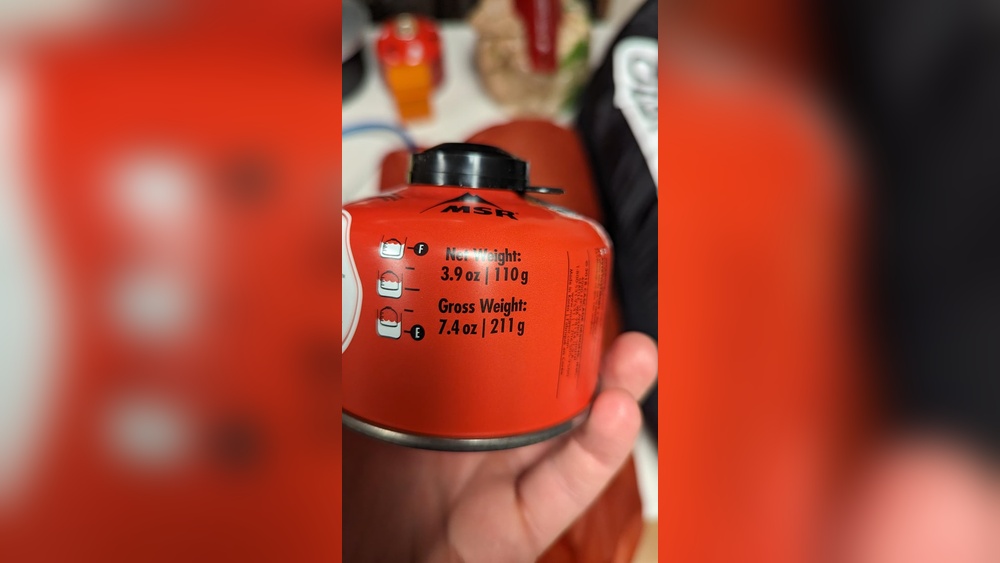
Butane canisters come in various sizes. Common sizes include 100g, 230g, and 450g. Smaller canisters are lighter and good for short trips. Larger canisters hold more fuel but add weight. Some canisters mix butane with propane. This mix improves performance in cold weather. Always check your stove’s compatibility with the canister type.

Credit: wildbounds.com
Factors Affecting Canister Life
Butane canisters are vital for backpackers who rely on portable stoves. Their lifespan varies based on several factors. Understanding these factors helps you plan better and avoid running out of fuel during your trip.
Temperature Impact
Butane performs best at moderate temperatures. Cold weather slows gas release, making the canister last longer but reducing stove efficiency. Extremely low temperatures may cause the canister to stop working. Warm weather increases gas pressure, causing faster use. Always consider temperature when estimating canister life.
Altitude Effects
Higher altitudes affect butane canisters. Air pressure drops as you climb, which lowers gas pressure inside the canister. This can reduce the flame intensity of your stove. You might use more fuel to cook at high altitudes. Plan for shorter canister life if hiking in mountains.
Usage Patterns
How often and how long you use your stove impacts canister life. Frequent cooking or long cooking times burn more fuel. Using a stove for boiling water quickly saves fuel compared to slow cooking. Checking your cooking habits helps estimate how long your canister will last.
Estimating Burn Time
Estimating how long a butane canister will last on a backpacking trip helps plan meals and manage fuel use. Burn time depends on the stove’s flame setting, cooking style, and canister size. Understanding burn rates and typical cooking times makes it easier to guess how many meals you can cook before refilling.
Average Burn Rates
Butane canisters usually burn between 100 and 150 grams per hour. Most small backpacking stoves use about 120 grams of butane per hour at full flame. Using a low flame saves fuel and extends burn time. A standard 230-gram canister can last around two hours on high heat. Lower heat settings can stretch this to three or four hours. Outdoor temperature also affects burn rates. Cold weather can reduce stove efficiency and shorten burn time.
Cooking Time Examples
Boiling one liter of water takes about 7 to 10 minutes on a backpacking stove. Cooking simple meals like instant noodles or oatmeal usually uses less than 15 minutes of burn time. Preparing a hot drink requires just 3 to 5 minutes. A 230-gram canister can boil water for roughly 12 to 15 pots. Cooking heavier meals or simmering may increase burn time. Planning meals with short cooking times helps save fuel.
Maximizing Canister Efficiency
Maximizing the efficiency of your butane canister is key to lasting longer on any backpacking trip. Small changes in how you use your stove can save fuel. This helps you cook more meals and stay warm without carrying extra canisters. Simple habits and good care make a big difference in fuel use.
Proper Stove Maintenance
Keep your stove clean to help it work well. Dirt or food bits can block the burner. This wastes fuel and makes cooking slower. Check and clean the stove after every trip. Tighten all parts to stop gas leaks. A well-maintained stove uses less butane and burns better.
Optimizing Flame Settings
Use the right flame size for your cooking needs. A big flame burns more fuel fast. Lower the flame to save gas while cooking. Boil water just enough, not too long. Adjust the flame to keep a steady boil. This simple trick stretches the life of your canister.
Wind And Weather Tips
Wind can blow out the flame or cool the pot. This wastes fuel and time. Shield your stove with a windscreen or natural barrier. Cook in a sheltered spot to keep the flame strong. Cold weather slows gas flow. Warm the canister in your hands or inside your jacket before use.
Safety Considerations
Safety is very important when using butane canisters while backpacking. These small containers hold flammable gas. Careless use can cause accidents or injuries. Understanding how to store and handle butane canisters helps keep you and others safe. Follow simple safety steps to avoid problems during your trip.
Storage Guidelines
Store butane canisters in a cool, dry place away from sunlight. Heat can increase pressure inside the canister. This may cause leaks or explosions. Keep canisters upright to prevent damage. Avoid storing near flames or spark sources. Use a protective case or bag to stop punctures. Never leave canisters inside a hot car or tent.
Handling Precautions
Always check for leaks before use. Listen for hissing sounds or smell gas around the canister. Use canisters only with compatible stoves or devices. Connect and disconnect canisters carefully to avoid gas release. Do not puncture or expose canisters to fire. Keep butane away from children and pets. Dispose of empty canisters properly at designated sites.

Credit: www.trailgroove.com
Alternative Fuel Options
Butane canisters are popular for backpacking stoves, but they are not the only fuel option. Different fuels suit different trips and conditions. Exploring alternative fuel options helps you find what fits your needs best. It also prepares you for various weather and terrain challenges.
Comparison With Propane
Propane is a common alternative to butane. It works better in cold weather. Propane stays gas at lower temperatures. Butane can freeze or stop working below 32°F (0°C). Propane canisters are usually larger and heavier. This adds weight to your pack. Propane stoves often need special adapters. Butane canisters are lighter and easier to carry. Choose propane if you camp in cold places. Butane is fine for warm weather trips.
Multi-fuel Stove Choices
Multi-fuel stoves use different types of liquid fuel. They burn white gas, kerosene, or diesel. These stoves are more versatile on long trips. You can find fuel almost anywhere. Multi-fuel stoves can be heavier and more complex. They need cleaning and maintenance. These stoves work well in extreme weather. They also perform well at high altitudes. Multi-fuel stoves are a good choice for serious backpackers. Butane or propane stoves suit casual or short trips.
Packing And Transport Tips
Packing and carrying butane canisters safely is key for any backpacker. These small fuel containers are handy but need careful handling. Proper packing keeps your gear balanced and your hike safe. Follow simple tips to manage space and weight well. Also, know how to dispose of empty canisters properly. This helps protect nature and keeps your backpack light.
Weight And Space Management
Butane canisters add weight to your pack. Choose the right size for your trip length. Smaller canisters save space but run out faster. Store canisters upright to avoid leaks. Use a padded pouch or case to protect them. Keep canisters away from sharp objects. Balance your pack by placing canisters close to your back. This keeps your center of gravity steady. Limit the number of canisters to avoid extra weight.
Disposal And Recycling
Empty butane canisters still hold some pressure. Never throw them in regular trash. Find local recycling centers that accept them. Some parks have special disposal points for fuel containers. Release all remaining gas outdoors before disposal. Do not puncture or burn canisters. Carry a small bag for storing empty canisters until you find a disposal spot. Proper disposal protects the environment and other hikers.
Frequently Asked Questions
How Long Does A Typical Butane Canister Last Backpacking?
A typical butane canister lasts about 2 to 4 hours of continuous use. Duration varies with stove type and flame intensity. Efficient stoves and low flame settings extend burn time, making butane a reliable fuel choice for short trips.
What Factors Affect Butane Canister Burn Time?
Burn time depends on flame size, stove efficiency, and cooking duration. Wind and temperature also impact fuel consumption. Using a windscreen and cooking in moderate conditions can help maximize butane canister life during backpacking.
Can Cold Weather Reduce Butane Canister Performance?
Yes, cold weather lowers butane pressure, reducing burn efficiency. Butane canisters perform best above freezing temperatures. In cold, consider using isobutane or propane blends for better reliability and longer stove burn times.
How Many Meals Can One Butane Canister Cook?
One butane canister can cook approximately 5 to 10 meals, depending on meal complexity and cooking time. Simple boiling tasks consume less fuel, while frying or simmering uses more. Plan fuel based on your meal needs and trip length.
Conclusion
Butane canisters last differently based on stove type and flame size. A small flame uses less fuel and lasts longer. Cold weather can make canisters empty faster. Always carry an extra canister to avoid running out. Store canisters in a warm place before use.
Knowing how long your fuel lasts helps plan better trips. Simple steps keep your stove working well on the trail. Stay safe and enjoy cooking outdoors without worry.