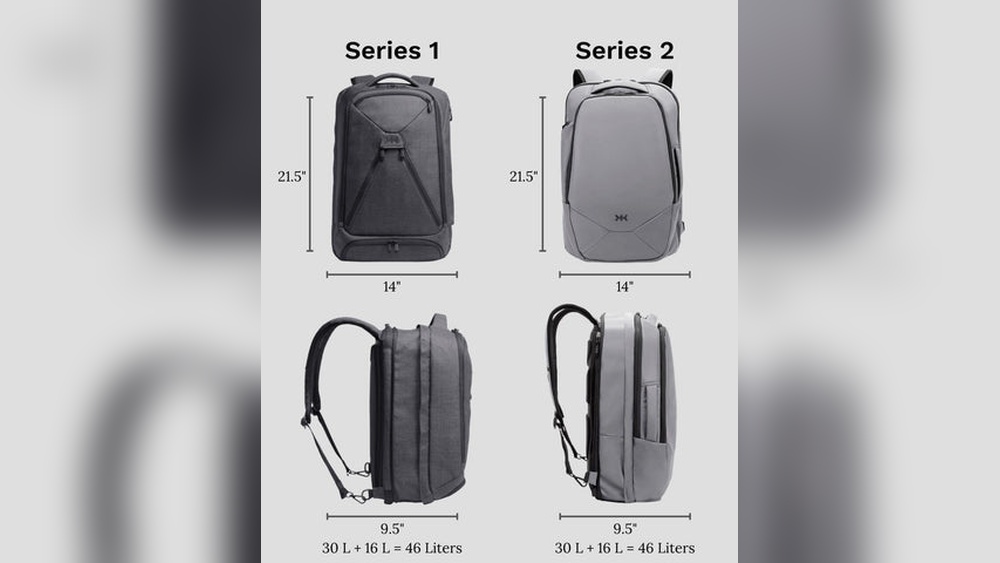
Are you confused about how to pick the right backpack size? Knowing the capacity of a backpack is key to making sure it fits your needs perfectly.
Whether you’re packing for a day trip or a longer adventure, understanding how backpack capacity is measured helps you avoid carrying too much or too little. You’ll discover simple ways to measure backpack capacity and choose the best one for your lifestyle.
Keep reading to make your next backpack choice easy and stress-free!

Credit: it.cabinzero.com
Backpack Capacity Basics
Understanding backpack capacity helps you pick the right bag for your needs. It shows how much stuff a backpack can hold. Capacity affects comfort and usefulness. Knowing these basics saves time and effort.
What Backpack Capacity Means
Backpack capacity is the total space inside the bag. It tells you how much gear fits inside. This space includes all compartments and pockets. Capacity helps decide if a backpack suits day trips or long hikes.
A larger capacity means more items fit inside. Smaller backpacks hold only essentials. Capacity affects the bag’s size, weight, and shape. It guides you to balance what you carry and comfort.
Common Capacity Units
Backpack capacity is usually measured in liters. Liters show the volume the bag can hold. This unit is easy to compare between different backpacks. Some bags list capacity in cubic inches instead.
One liter equals about 61 cubic inches. Liter measurements help you understand space quickly. Most outdoor gear stores use liters for backpacks. Knowing units makes shopping easier and clearer.

Credit: www.orientbag.net
Measuring Backpack Volume
Measuring the volume of a backpack helps to understand how much it can carry. Volume shows the space inside the backpack. It tells you if the bag fits your needs for school, travel, or hiking. You can measure this volume in a few ways. The easiest methods use simple tools and math.
Using A Tape Measure
Take a tape measure to find the backpack’s size. Measure the height from the bottom to the top. Next, measure the width from one side to the other. Finally, measure the depth from front to back. These three numbers give the basic size of the backpack. This method is quick and needs only a tape measure.
Calculating Volume With Dimensions
Multiply the height, width, and depth to find the volume. Use the formula: Volume = Height × Width × Depth. Make sure all measurements use the same unit, like inches or centimeters. The result shows the volume in cubic units. To convert to liters, divide cubic centimeters by 1000. This calculation helps compare backpacks easily.
Estimating Capacity With Water
Estimating the capacity of a backpack can be simple using water. Water fills every corner inside the bag. This shows the total space the backpack holds. It gives a clear idea of its volume in liters or gallons. Measuring with water is easy and accurate. It helps you understand how much gear you can carry.
Filling The Backpack Method
Start by emptying the backpack completely. Use a small cup or jug to pour water inside. Fill the bag slowly to avoid spills. Make sure water reaches all pockets and compartments. Stop when the backpack is full. Pour the water out into a measuring container. This shows the exact volume the backpack holds.
Using A Large Container
Find a large container that fits the backpack. Fill the container with water first. Submerge the backpack fully inside the water. Watch how much water the backpack pushes out. Measure the displaced water volume. This volume equals the backpack’s capacity. This method works well for backpacks with odd shapes.
Capacity Labels And Standards
Backpack capacity labels help buyers understand how much gear the bag can hold. These labels often appear as a number followed by “liters.”
Capacity standards guide brands in showing size clearly. However, the exact method can vary between companies. Knowing these details helps you choose the right backpack.
How Brands Measure Capacity
Brands fill backpacks with small beads or balls to measure volume. They then calculate how many liters the bag can hold. Some use water or other materials for accuracy. The process aims to mimic real packing space.
Different brands may include or exclude external pockets in their count. This causes slight differences in reported capacity. Understanding this helps avoid confusion when comparing backpacks.
Understanding Manufacturer Claims
Manufacturers often highlight capacity to attract buyers. Some list only main compartments, ignoring extra pockets. Others add every available space to the total volume.
Claims may not show usable space for bulky items. The shape and design of the backpack affect how much fits inside. Always check product details for clarity on capacity claims.
Choosing Capacity For Your Needs
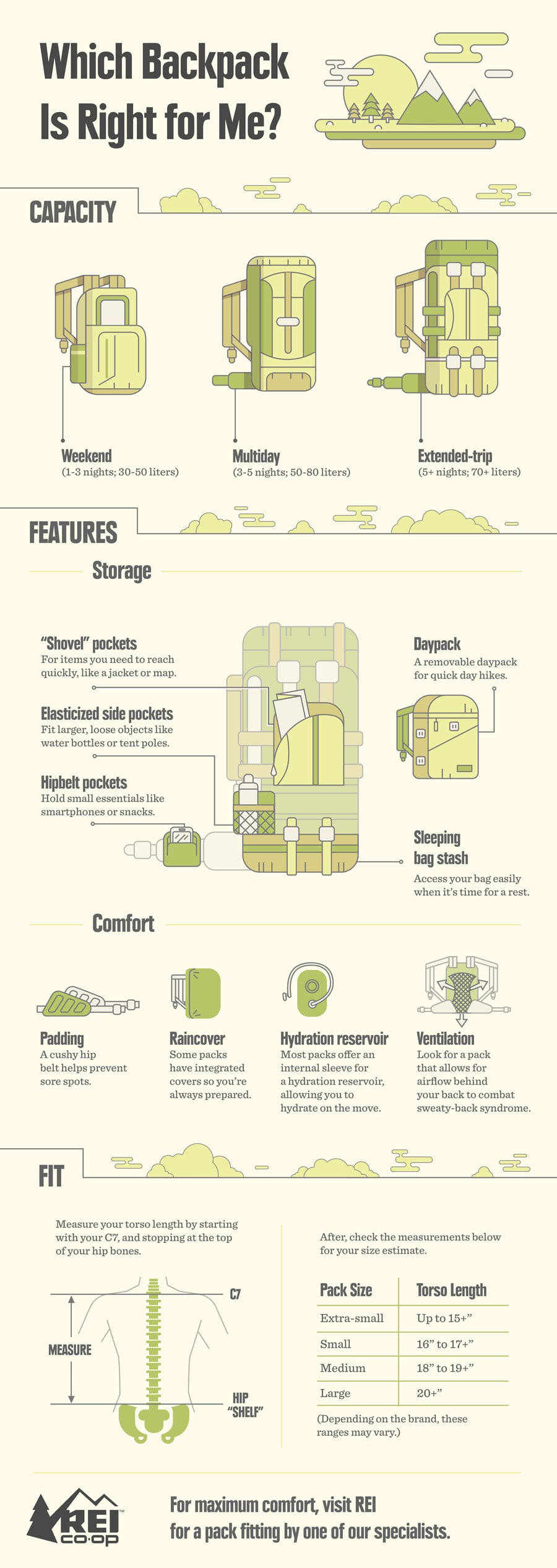
Choosing the right backpack capacity depends on what you need to carry. The size should match your trip length and the gear you plan to bring. A backpack too big might feel heavy and bulky. Too small, and you might leave important items behind. Think about your daily activities and how many supplies you need. This will help pick a backpack size that fits well and stays comfortable.
Daypacks Vs. Multi-day Packs
Daypacks usually hold between 15 to 30 liters. They fit well for short trips or daily use. You can carry water, snacks, and a light jacket. Multi-day packs range from 40 to 70 liters or more. These are for longer trips with more gear and clothes. Choose a daypack for quick outings. Use a multi-day pack for camping or hiking over several days.
Packing Tips For Efficient Use
Pack heavy items close to your back for better balance. Use packing cubes to organize small items. Fill empty spaces with soft items like clothes. Keep essentials easy to reach in the top or side pockets. Avoid overpacking to stay light and mobile. Proper packing makes the backpack feel smaller and easier to carry.
Credit: www.rei.com
Frequently Asked Questions
How Is Backpack Capacity Measured?
Backpack capacity is measured in liters. It indicates the total volume the backpack can hold. Manufacturers use internal dimensions to calculate this volume.
What Units Are Used To Measure Backpack Size?
Backpack size is typically measured in liters. Some brands may use cubic inches, but liters are standard globally for volume.
Does Backpack Capacity Affect Comfort?
Yes, capacity affects comfort. Larger backpacks carry more weight, impacting comfort and support. Choose size based on your load and trip length.
How To Find The Right Backpack Capacity?
Consider your trip length and gear needs. Daypacks range 15-30 liters; multi-day packs start around 40 liters. Match capacity to your specific use.
Conclusion
Measuring backpack capacity helps you choose the right size for your needs. Use liters as the standard unit for volume. Check product tags or descriptions for clear capacity details. Remember, bigger is not always better—consider what you carry daily. A well-measured backpack improves comfort and packing efficiency.
Keep these tips in mind to pick a backpack that fits you well. This way, your backpack supports your adventures without extra bulk or weight. Simple steps lead to smarter choices and happier travels.