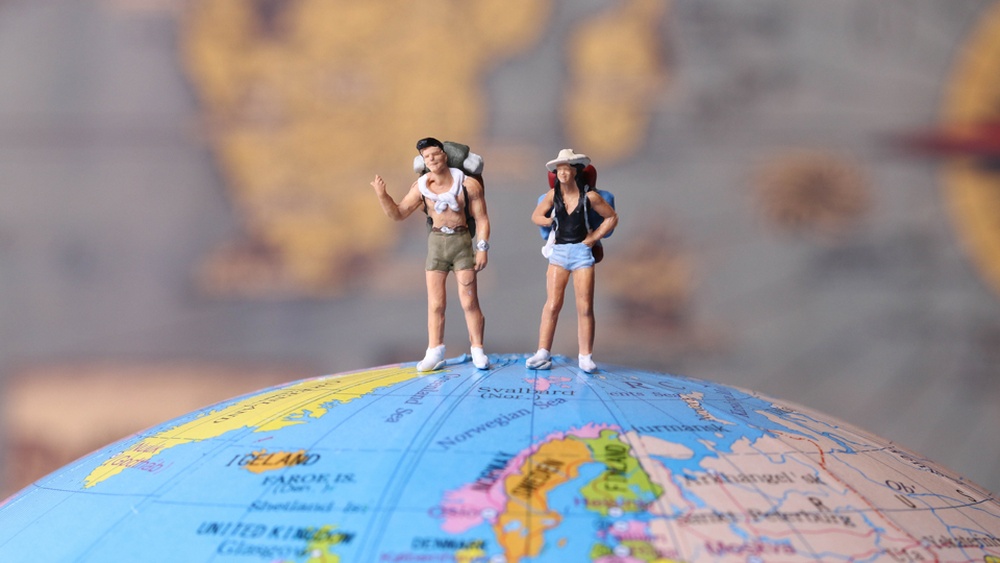
Are you dreaming of exploring new places, meeting different people, and discovering the world on your own terms? Backpacking around the world is one of the most exciting ways to do just that.
But how do you get started? It might feel overwhelming at first, but with the right steps, you can turn your dream into reality. You’ll find simple, practical tips that will help you plan your trip, pack smart, and dive into the adventure of a lifetime.
Ready to take the first step? Keep reading, because your journey begins here.
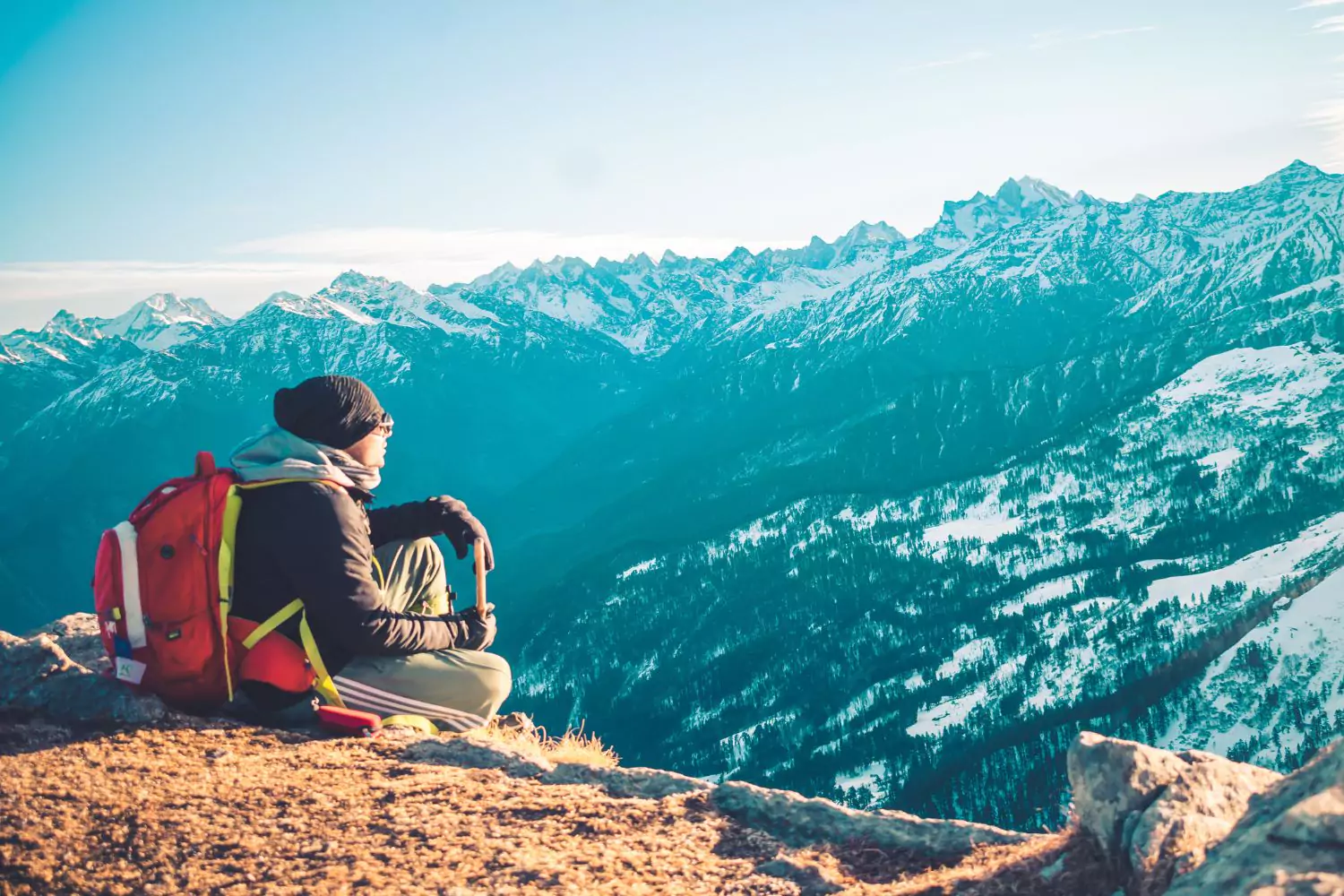
Credit: www.boundless.org
Choosing Your Destinations
Choosing your destinations is an important step in backpacking around the world. It shapes your experience and the memories you will make. Picking places that fit your interests and travel style makes the journey more enjoyable. Think about what excites you, whether it’s nature, culture, or adventure.
Research helps you find spots that match your budget and time. Some places are popular for backpackers, while others remain quiet and less explored. Weather and seasons also affect how you plan your trip.
Popular Backpacking Routes
Many backpackers follow well-known routes. These paths offer good infrastructure and meet other travelers. Examples include the Southeast Asia trail, the Pacific Crest Trail, and the Camino de Santiago.
Popular routes provide safety and easy access to hostels and transport. You will find plenty of travel tips and advice online. This makes planning simpler for new backpackers.
Off-the-beaten-path Locations
Choosing less crowded places offers unique experiences. These spots often have untouched nature and local cultures. Places like the Balkans, Central America, or parts of Africa are great options.
Traveling off the beaten path means fewer tourists. It requires more planning and flexibility. But the rewards include peaceful surroundings and authentic encounters.
Seasonal Considerations
Seasons affect where and when you travel. Some destinations have rainy or cold periods that can make travel hard. Check the weather for each place before you decide.
Visiting during the right season ensures better weather and more activities. It also helps avoid tourist crowds or closed attractions. Plan your route to match the best time for each region.
Planning Your Budget
Planning your budget is a key step in backpacking around the world. Without a clear budget, expenses can quickly add up. A well-planned budget helps you control costs and enjoy your trip longer. It also reduces stress and uncertainty during travel.
This section breaks down how to estimate your daily expenses, save money before your trip, and manage funds on the road. Each part offers practical tips to keep your backpacking journey affordable and smooth.
Estimating Daily Expenses
Calculate basic costs like food, accommodation, and transport. Research prices for each country you plan to visit. Add some extra money for activities and emergencies. Use travel blogs and forums to get real cost examples. Keep your daily budget flexible but realistic.
Saving Strategies Before The Trip
Start saving months ahead. Cut unnecessary expenses like dining out or subscriptions. Set a monthly saving goal and track progress. Sell unused items or freelance for extra cash. Choose affordable gear and book flights early for discounts.
Managing Money On The Road
Use a mix of cash, cards, and mobile payments. Avoid carrying large amounts of cash. Withdraw money from local ATMs to get better rates. Keep track of spending daily to stay within budget. Use apps to monitor expenses and find deals.
Packing Essentials
Packing well is key to enjoying backpacking around the world. The right items help you stay comfortable and safe. You carry everything on your back, so every choice matters.
Choosing the right backpack and gear saves space and weight. Smart packing makes your travels easier and more fun.
Backpack Selection Tips
Pick a backpack that fits your body size. Look for padded straps and a waist belt for support. Choose a bag with enough space but not too big. Aim for 40 to 60 liters for most trips. Waterproof material helps protect your gear from rain. Check for multiple compartments to organize items well. Try on backpacks before buying to feel the comfort.
Must-have Gear
Bring a lightweight sleeping bag for overnight trips. Pack a compact first aid kit for emergencies. A reusable water bottle keeps you hydrated. Carry a headlamp or small flashlight for dark places. Include a multi-tool or small knife for daily tasks. Quick-dry clothing saves space and dries fast. Don’t forget travel documents and a money pouch.
Packing Light And Smart
Roll clothes instead of folding to save space. Use packing cubes to keep items neat. Only take what you need for the weather and trip length. Wear your heaviest shoes and jacket while traveling. Keep electronic chargers and valuables in a small daypack. Avoid duplicates by planning your outfits. Leave room for souvenirs or gifts.
Booking Transportation
Booking transportation is a key step in backpacking around the world. It shapes your travel experience and budget. Choosing the right transport helps you reach more places and save money. Plan ahead but stay flexible. Different transport methods fit different parts of your trip.
Finding Affordable Flights
Search for flights early to get the best prices. Use flight comparison sites to check many options. Fly with budget airlines to save cash. Be open to flying on weekdays or at odd hours. Booking tickets in advance often lowers costs. Watch for sales and special deals. Consider nearby airports to find cheaper flights.
Using Local Transport
Local buses and trains offer cheap travel inside countries. They let you see local life and meet new people. Learn about ticket prices and schedules before travel. Use apps or ask locals for advice. Avoid taxis unless necessary—they cost more. Walking and biking also work well in many places. Pack light to move easily on local transport.
Hitchhiking And Alternative Options
Hitchhiking can be free and fun but requires caution. Always trust your instincts and stay safe. Look for safe spots to wait and friendly drivers. Couchsurfing and ridesharing apps offer rides from locals. Renting scooters or bikes is great for short distances. Boats and ferries connect islands and coastal towns. Think about your comfort and safety with each choice.
Finding Accommodation
Finding a place to stay is key to enjoying your backpacking trip. Safe and affordable accommodation helps you save money and rest well. Many options suit different budgets and travel styles. Pick what fits you best to make your trip smooth and fun.
Hostels And Guesthouses
Hostels are popular for backpackers. They offer shared rooms and social spaces. This helps you meet other travelers easily. Guesthouses are smaller and more private. They often feel like a home away from home. Both options usually cost less than hotels.
Camping And Couchsurfing
Camping saves money and lets you enjoy nature. Many countries have safe and cheap campgrounds. Always check local rules before camping. Couchsurfing connects you with locals who offer free stays. This way, you learn about local life and culture. It also builds friendships worldwide.
Booking Platforms To Use
Online platforms make finding accommodation simple. Websites like Hostelworld and Booking.com list many hostels and guesthouses. Airbnb offers unique places to stay. Couchsurfing has a special site for free stays. Use these tools to compare prices and read reviews. Book early to secure your spot.

Credit: www.amazon.com
Staying Safe On The Road
Traveling the world with just a backpack is exciting. It brings new places and new people. Staying safe on the road is very important. It helps you enjoy your trip without problems. Simple steps can protect your health, money, and peace of mind. Being ready for emergencies makes your journey smoother and safer.
Health Precautions
Carry a basic first-aid kit with essential medicines. Drink bottled water to avoid stomach problems. Wash your hands often or use hand sanitizer. Get vaccines recommended for the countries you visit. Avoid street food that looks unhygienic or unsafe. Rest well to keep your energy and immune system strong.
Avoiding Common Scams
Be cautious with strangers offering deals that seem too good. Use official taxis or trusted transport services only. Keep your belongings close in crowded places. Say no to distractions that try to steal your items. Research common scams in each country before you go. Trust your instincts; if something feels wrong, walk away.
Emergency Preparedness
Save important phone numbers like local emergency services and your embassy. Carry a copy of your passport and important documents separately. Know the location of the nearest hospital or clinic. Have a plan for what to do in case of theft or injury. Share your travel plans with family or friends back home. Keep some extra cash and a phone charger handy always.
Building Connections
Building connections is a key part of backpacking around the world. Meeting new people makes your journey richer. Sharing stories and tips can help you explore better. These connections create memories that last long after your trip ends.
Meeting Fellow Travelers
Other travelers understand the adventure you seek. Hostels and campsites are great places to meet them. Join group tours or local events to find travel buddies. Sharing experiences helps build quick friendships. Talking about routes and plans can open new paths.
Engaging With Locals
Locals know their home best. They can show you hidden gems and traditions. Try to learn a few words of the local language. Visit markets, cafes, or community centers to meet residents. Respect and curiosity create warm connections with locals.
Joining Backpacking Communities
Online groups and forums connect travelers worldwide. These communities share advice and stories. Join social media groups or travel apps for updates and tips. Being part of a community helps you feel supported. It can also offer safety advice and travel deals.
Credit: www.boundless.org
Adapting To Cultures
Adapting to cultures is key to enjoying backpacking around the world. It helps you connect with locals and see places deeply. You learn respect and open your mind to new ways. Simple efforts can make your trip richer and more fun.
Learning Basic Phrases
Learn a few words in the local language. Greetings and thank you go a long way. Locals appreciate when you try their language. It shows respect and breaks the ice quickly. Practice simple phrases before your trip for confidence.
Respecting Local Customs
Observe how people behave and follow their lead. Dress modestly if the culture asks for it. Avoid loud noises or gestures that seem rude. Always ask before taking photos of people or places. Respect keeps you safe and welcomed everywhere.
Trying Local Food
Food is a big part of culture. Taste dishes that locals love, even if they seem strange. Eating local food helps you understand traditions better. It also supports local businesses and farmers. Be open to new flavors and enjoy the experience.
Documenting Your Journey
Documenting your journey is a key part of backpacking around the world. It helps you remember special moments and share your experiences. Writing and capturing your travels also lets others learn from your adventures. Keeping a record makes your trip more meaningful and fun.
Travel Journals And Blogs
Writing a travel journal keeps your memories safe. Note places you visit, people you meet, and feelings you have. Write daily or weekly. A blog lets you share your story with many readers. Use simple words and short sentences. Add pictures to make posts lively.
Photography Tips
Photos tell stories without words. Carry a small camera or use your phone. Take pictures in good light, like early morning or late afternoon. Focus on faces, nature, and local life. Capture moments, not just places. Try different angles. Keep your lens clean for clear shots.
Sharing On Social Media
Social media connects you with friends and other travelers. Post photos and short stories often. Use clear captions to explain your pictures. Respond to comments to build a community. Share tips and advice you learn on the road. Stay safe by not sharing exact locations in real time.
Frequently Asked Questions
How Do I Start Backpacking Around The World?
Begin by researching destinations, creating a budget, and packing light. Plan key routes but stay flexible. Learn essential travel skills and secure important documents like passports and visas.
What Are Essential Items For World Backpacking?
Pack a durable backpack, comfortable shoes, weather-appropriate clothing, a first-aid kit, and travel documents. Include tech gear like a phone, charger, and power bank. Keep your pack light for easy mobility.
How Can I Find Affordable Accommodations While Backpacking?
Use hostels, guesthouses, and budget hotels for cheap stays. Consider Couchsurfing and house-sitting opportunities. Booking platforms and travel forums help find discounts and reviews for safe, low-cost options.
Is Backpacking Safe For Solo Travelers?
Yes, solo backpacking is safe with precautions. Stay aware of surroundings, avoid risky areas, and keep emergency contacts. Trust your instincts and connect with fellow travelers for support and advice.
Conclusion
Backpacking around the world opens doors to new experiences. Start small and plan each step carefully. Meet people, explore cultures, and enjoy the journey. Stay flexible and keep learning on the road. Every trip teaches something valuable and unforgettable. Adventure awaits those who take the first step.
Embrace the freedom and challenges of backpacking travel. Your world expands with every mile you walk. Keep your spirit curious and your backpack ready. The path to global adventure begins with one decision.