Choosing the right backpack size can make or break your backpacking trip. If your pack is too big, you’ll carry extra weight and waste energy.
If it’s too small, you might leave behind important gear or feel cramped every step of the way. So, how big should your backpack be? This guide will help you find the perfect fit for your adventure, making sure you carry just what you need—and nothing you don’t.
Keep reading to discover the simple rules that will change how you pack forever.
Choosing The Right Size
Choosing the right size backpack is important for a comfortable trip. A backpack that is too big will feel heavy and bulky. Too small, and you might not fit all your gear. The right size depends on what you carry and how long you will be outside.
Think about your needs carefully. The right fit helps you move easily. It also keeps your back and shoulders safe from strain. Let’s explore key factors to help pick the best backpack size for your trip.
Factors To Consider
First, check what gear you need to carry. A sleeping bag, food, clothes, and water take space. Some items are bulky, others are small but heavy. The weight and volume of your gear affect your backpack size. Also, think about comfort and how the backpack fits your body.
Trip Length And Duration
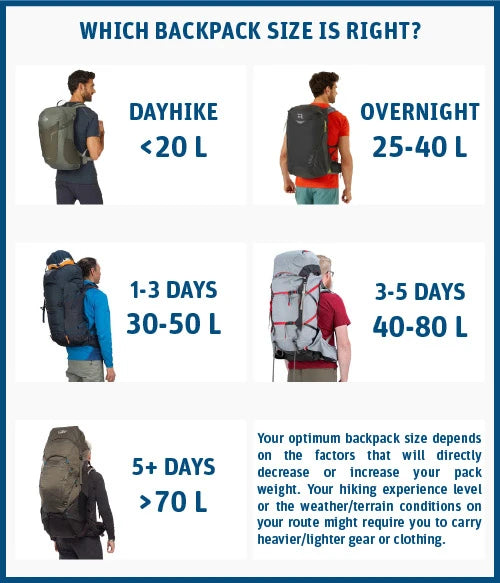
Short trips need smaller backpacks, usually 20 to 40 liters. You carry less food and clothes. Long trips need bigger backpacks, from 50 to 70 liters or more. More days mean more supplies and gear. Choose size based on how many nights you will camp outdoors.
Type Of Backpacking
Different backpacking styles need different sizes. Fastpacking needs small, light backpacks for speed. Camping with heavy gear needs larger backpacks. Hiking in cold places may require extra clothes and gear. Choose a backpack that fits your style and the environment you visit.
Credit: k2.com.au
Backpack Volume Explained
Backpack volume is a key factor in choosing the right backpack for your trip. It tells you how much space the backpack offers. Knowing about volume helps you pack smart and travel light.
This section explains what volume means and how it affects your packing choices. Understanding these points makes your backpack selection easier and more practical.
What Does Volume Mean
Volume is the total space inside your backpack. It is measured in liters. This number shows how much gear you can fit. A bigger volume means more room for clothes and supplies. A smaller volume means a compact and lighter pack.
Volume helps match your backpack to your trip length and needs. Short trips need less volume. Long trips or cold weather require more space.
How Volume Affects Packing
Volume affects what and how much you pack. A large backpack can carry extra items. This might make your pack heavy and bulky. A small backpack forces you to choose essentials only.
Choosing the right volume helps balance comfort and capacity. It prevents carrying too much weight. It also stops leaving behind important gear.
Backpack Sizes By Trip Length
Choosing the right backpack size depends on how long your trip will be. Different trip lengths need different backpack volumes. Picking the right size helps carry all essentials without extra bulk. It makes your hiking easier and more comfortable.
Day Hikes
For day hikes, a small backpack works best. Around 15 to 25 liters is enough. It fits water, snacks, a light jacket, and small gear. You won’t carry heavy loads on short walks. Keep it light for better balance and speed.
Weekend Trips
Weekend trips need a bigger backpack. Choose between 30 and 50 liters. This size holds clothes, food, and a sleeping bag. You get enough space without carrying too much weight. It fits basic camping gear for one or two nights.
Multi-day Adventures
For trips lasting three to five days, use a 50 to 70-liter backpack. It holds extra food, clothes, and camping gear. You can pack a tent, cooking tools, and more supplies. A larger pack helps carry everything safely and comfortably.
Extended Expeditions
Long trips need the largest backpacks. Over 70 liters is common here. You carry heavy gear, food for many days, and extra clothes. These packs support long stays in remote areas. Strong straps and padding are important for comfort.
Gear And Clothing Impact
The size of your backpack depends largely on the gear and clothing you plan to carry. These items take up most of the space inside. Choosing the right size helps keep your load comfortable and balanced.
Think about the type of gear you need for your trip. Bulky or heavy items require more room. Clothes also add weight and volume, especially if you pack for different weather.
Seasonal Considerations
Season changes affect what you pack. Winter trips need thicker clothes and extra gear. You might carry a heavy jacket, gloves, and thermal layers. Summer trips need lighter clothes and less gear. Pack fewer bulky items to save space. Seasons also influence your sleeping bag size and type. Adjust your backpack size to fit seasonal needs.
Specialized Equipment
Some trips require special gear. Climbing, skiing, or photography gear adds bulk. These items take up space and add weight. Make sure your backpack fits this equipment comfortably. Compartments and straps help organize specialized gear. If you carry such equipment, choose a bigger backpack. A well-fitted pack protects your gear and eases carrying.
Minimalist Vs. Maximalist Packing
Minimalist packers carry only essentials. They choose lightweight, multi-use items. This approach needs smaller backpacks, around 30-40 liters. Maximalist packers bring extra clothes and gear. They prefer larger backpacks, 50 liters or more. Decide your style before buying a pack. Your packing style directly impacts backpack size. Balance comfort with the gear you want to bring.
Fit And Comfort
Choosing the right backpack size is about more than volume. Fit and comfort play a key role in your hiking experience. A backpack that fits well reduces strain and helps you move easily. It also prevents pain in your back and shoulders. Understanding fit basics will help you select the best pack.
Torso Length And Hip Size
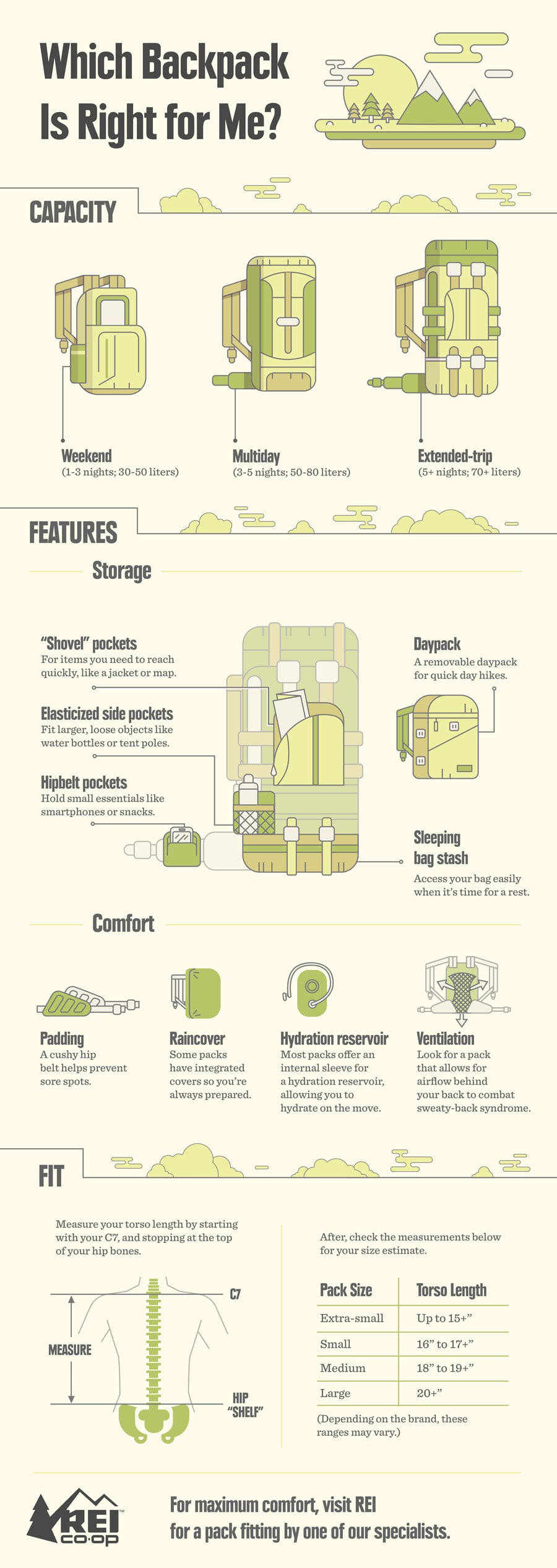
Your torso length is the distance from your neck base to your waist. This measurement affects how the pack sits on your back. Too long or too short a pack causes discomfort. Hip size matters because the pack’s hip belt carries most weight. Measure your hips where the belt will rest for a secure fit.
Adjustability Features
Look for backpacks with adjustable straps and belts. Shoulder straps, hip belts, and load lifters should be easy to tighten or loosen. Adjustability lets you customize the fit for your body shape. It also helps balance the load. Proper adjustment keeps the pack stable while hiking.
Weight Distribution
A good backpack spreads weight evenly across your hips and shoulders. Most weight should rest on your hips. This relieves pressure on your shoulders and back. Padding on the hip belt and shoulder straps adds comfort. Even weight distribution reduces fatigue during long hikes.
Credit: www.rei.com
Popular Backpack Sizes
Choosing the right backpack size is key for a good trip. Backpack sizes vary by volume, measured in liters (L). Each size fits different trip lengths and needs. Understanding popular sizes helps pick the best backpack for you.
Small Packs (20-35l)
Small backpacks are light and easy to carry. They suit day hikes or short trips. These packs hold essentials like water, snacks, and a jacket. Perfect for travelers who want to stay light and fast.
Medium Packs (35-50l)
Medium backpacks fit most weekend trips. They carry clothes, food, and some gear. These packs balance capacity and comfort well. Great for hikes lasting two to three days.
Large Packs (50-70l)
Large backpacks hold gear for longer trips. They fit camping equipment and extra clothing. Ideal for trips over three days. These packs can carry heavier loads comfortably.
Extra Large Packs (70l+)
Extra large backpacks suit long adventures or group trips. They carry all gear and food for many days. These packs are heavier and bulkier. Best for experienced hikers with heavy loads.
Tips For Efficient Packing
Packing right makes your backpack lighter and easier to carry. It helps you find things fast and keeps your gear safe. Efficient packing saves space and reduces stress on the trail. Here are some tips to pack smart and travel light.
Packing Cubes And Compression
Packing cubes keep your clothes and gear in order. They fit neatly inside your backpack and stop items from shifting. Compression bags squeeze bulky clothes into a smaller space. Use them for jackets or sleeping bags. This method helps you carry more without extra weight.
Organizing Essentials
Put daily-use items in easy-to-reach spots. Place your water bottle, snacks, and map in outer pockets. Keep your first aid kit and headlamp near the top. Group similar items together to save time. A well-organized pack lets you grab what you need fast.
Reducing Bulk
Choose lightweight gear and multi-use items. Wear your heaviest clothes while hiking to save space. Roll clothes instead of folding to avoid wrinkles and save room. Cut down on extras like multiple shoes or heavy books. Less bulk means a smaller, lighter pack that feels better on your back.
Common Mistakes To Avoid
Choosing the right backpack size is important for a good trip. Many hikers make simple errors that cause discomfort and trouble on the trail. Avoiding these mistakes will help you enjoy your adventure more.
Overpacking
Carrying too much gear is a common mistake. Heavy backpacks tire you quickly and slow you down. Pack only what you need. Think about essentials like food, water, and weather-appropriate clothing. Extra items add weight and waste space.
Choosing Too Large Or Too Small
Picking the wrong size backpack causes problems. A too-large pack encourages overpacking. It also shifts weight unevenly. A too-small pack won’t fit all your gear. This leads to squeezing items and discomfort. Find a size that matches your trip length and gear needs.
Ignoring Fit
A backpack that does not fit well causes pain. Straps that dig into shoulders or hips hurt after hours. A good fit spreads weight evenly across your body. Adjust straps and hip belts properly. Trying packs on before buying helps find the right fit.
Credit: www.reddit.com
Frequently Asked Questions
What Size Backpack Do I Need For A Weekend Trip?
A 30-50 liter backpack suits most weekend trips. It holds essentials like clothes, food, and gear without being bulky.
How Many Liters Should A Backpack Be For Multi-day Trips?
For multi-day trips, choose a backpack between 50-70 liters. It provides enough space for extra clothing, food, and camping gear.
Can A Smaller Backpack Work For Longer Trips?
A smaller backpack can work if you pack light and use compact gear. But larger backpacks are usually more comfortable for longer trips.
How Do I Measure Backpack Size For My Height?
Backpack size depends on torso length, not height alone. Measure from the base of your neck to your waist for the best fit.
Conclusion
Choosing the right backpack size makes your trip easier. Pack only what you truly need. A smaller bag means less weight and more comfort. Bigger backpacks suit longer trips with more gear. Think about how long you’ll travel and what to carry.
A good fit helps you move freely and enjoy nature. Remember, the best backpack matches your trip and body. Travel smart. Carry light. Enjoy every step.
