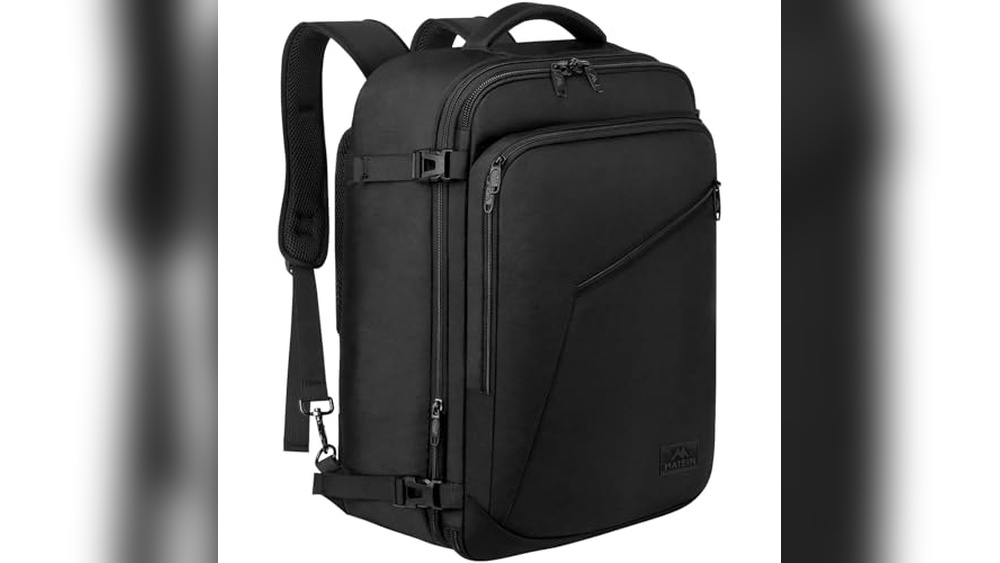
Choosing the right backpack for your trip can make all the difference between a smooth adventure and a heavy struggle. You might be wondering, “How big of a backpacking backpack do I need?”
Picking the wrong size could mean carrying extra weight or running out of space for essentials. You’ll discover simple tips to find the perfect backpack size that fits your trip and your body. Keep reading, and you’ll soon know exactly what to look for to make your backpacking experience easier and more enjoyable.
Credit: elmerpress.com
Choosing Backpack Size
Choosing the right backpack size is key to a comfortable trip. The backpack must fit your needs and the trip’s demands. A backpack too big or too small can cause trouble. Understanding different sizes and types helps you pick the best one. This guide breaks down the basics of backpack size for easy choosing.
Daypacks Vs Multi-day Packs
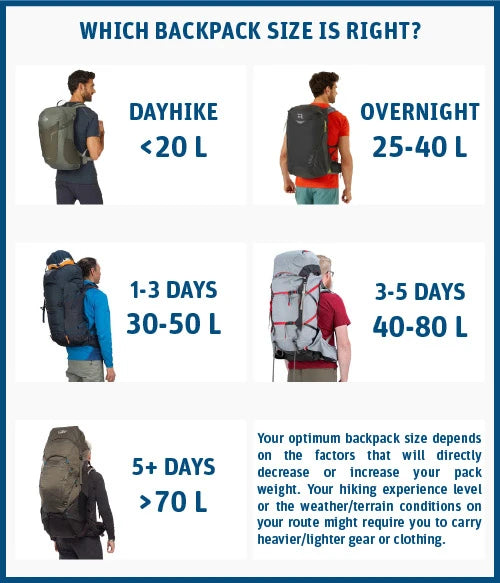
Daypacks are smaller bags made for short trips. They usually hold 15 to 30 liters. Perfect for carrying snacks, water, and a few clothes. Multi-day packs are larger. They can carry 40 liters or more. These backpacks hold tents, sleeping bags, and cooking gear. Choose a daypack for a few hours hike. Pick a multi-day pack for trips lasting several days.
Capacity Measured In Liters
Backpack size is shown in liters. Liters tell how much space is inside. A 20-liter pack holds less than a 50-liter one. This helps you guess what gear fits inside. Smaller packs fit light gear and short trips. Bigger packs hold more items for longer trips. Always check the liter size before buying a bag.
Matching Size To Trip Length
Match your backpack size to your trip’s length. For day trips, 15 to 30 liters works well. Overnight trips need about 30 to 50 liters. Longer trips require 50 liters or more. Carrying too much weight can hurt your back. Using the right size makes hiking easier and more fun.
Factors Affecting Backpack Size
Choosing the right backpack size depends on several important factors. Each hiker has unique needs and preferences. Understanding these factors helps pick the best backpack for your trip. The size should match your gear, climate, and personal style. Let’s explore the main points that affect backpack size.
Type Of Gear Carried
Your gear affects how much space you need. Bulky items like sleeping bags or tents take more room. Lightweight gear may allow a smaller pack. Cooking tools and food supplies add volume too. Think about the exact gear list before choosing size. Extra gear means you need a larger pack.
Climate And Season Considerations
The weather influences your packing needs. Cold climates require warm clothing and heavier gear. Summer trips need less clothing and smaller packs. Rainy seasons call for waterproof covers and extra layers. Seasonal gear changes how much space you need. Prepare for weather conditions to avoid overpacking.
Personal Packing Style
Every person packs differently. Some pack light and carry only essentials. Others prefer to bring backup items and comforts. Your style affects the backpack size choice. Minimalists do well with smaller packs. Those who pack extra need larger backpacks. Know your habits before buying a pack.
Common Backpack Sizes
Choosing the right backpack size is important for a good trip. Backpacks come in different sizes to fit different needs. Knowing the common sizes helps you pick the best one for your adventure. Here are the typical backpack sizes and what they work best for.
Small Backpacks (20-35l)
Small backpacks hold between 20 and 35 liters. They are light and easy to carry. Perfect for day trips or short hikes. You can pack basic gear and snacks. These packs are not for long trips with many items.
Medium Backpacks (35-50l)
Medium backpacks fit 35 to 50 liters. They work well for weekend trips. You can pack clothes, food, and some gear. These backpacks balance space and weight. Good for trips lasting two to three days.
Large Backpacks (50-70l+)
Large backpacks hold 50 liters or more. Designed for long trips or heavy gear. Ideal for camping or multi-day hiking. You can carry tents, sleeping bags, and food. These backpacks are heavier but offer more space.
How To Measure Your Backpack Needs
Choosing the right backpack size starts with knowing what you need to carry. Measuring your backpack needs helps avoid carrying too much or too little. This way, you stay comfortable and prepared for your trip.
Estimating Gear Volume
List all gear items you plan to take. Think of essentials like tent, sleeping bag, and clothes. Check the size or volume of each item in liters. Add them together for total gear volume. This number gives a good base for your backpack size.
Planning For Food And Water
Food and water take up space and add weight. Count how many days you will hike. Estimate how much food you need per day. Plan water containers or a filter system. Add this volume to your gear total for accuracy.
Accounting For Extras
Extras include rain gear, first aid kit, and small personal items. These can add up quickly. Leave some space in your backpack for unexpected items. A little extra room helps keep your pack organized and balanced.
Try Before You Buy
Trying a backpack before buying is very important. It helps to know if the backpack fits well and feels good. A backpack that fits right makes hiking easier and more fun. It also stops pain and injury during your trip. Here are some tips to try your backpack properly.
Testing Fit And Comfort
Put the backpack on with some weight inside. Walk around the store or your home. Check if the straps dig into your shoulders. The waist belt should sit on your hips, not your waist. Make sure the pack does not move too much. Comfort is key for long walks.
Adjusting Load Distribution
Adjust the shoulder straps, hip belt, and load lifters. This helps spread the weight evenly. The heaviest items should be close to your back. This balance reduces strain and makes carrying easier. Try shifting the load and see what feels best.
Considering Expansion Options
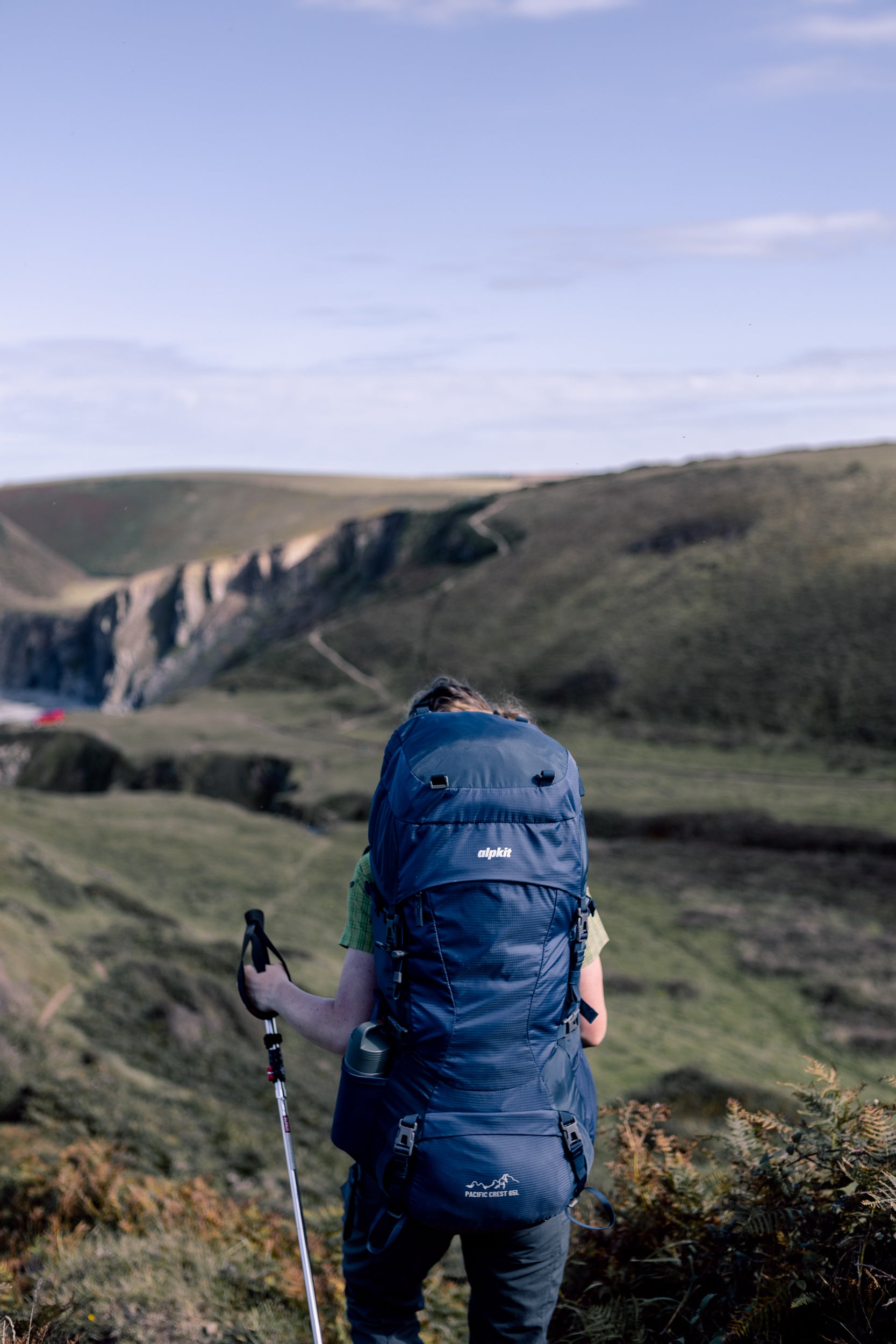
Look for extra pockets or compartments. Some backpacks have straps to add more gear outside. Think about the trips you plan to take. A backpack that can expand may be useful. Test how these features affect comfort and fit.
Credit: alpkit.com
Tips For Packing Efficiently
Packing efficiently can make your backpacking trip easier and more enjoyable. It helps you carry only what you need. This saves space and reduces weight. Efficient packing means you move faster and feel less tired. Here are some tips to help you pack smartly.
Prioritizing Essentials
Start by choosing only the most important items. Think about what you really need to survive and stay comfortable. Avoid packing things “just in case.” Focus on clothes, food, water, shelter, and safety gear. Keep extras to a minimum. This saves space and keeps your backpack light.
Using Compression Sacks
Compression sacks are great for saving space. They squeeze bulky items like sleeping bags and clothes. This makes your pack smaller and easier to carry. Use them to organize your gear. It also protects items from moisture and dirt. Pack your heaviest items at the bottom for stability.
Balancing Weight
Distribute the weight evenly inside your backpack. Place heavy items close to your back and near the center. Lighter items can go on top or in outer pockets. This keeps your balance while hiking. It reduces strain on your shoulders and back. Proper weight balance helps you walk longer without pain.

Credit: alpkit.com
Frequently Asked Questions
What Size Backpack Is Best For Weekend Trips?
A 40-50 liter backpack is ideal for weekend trips. It offers enough space for essentials without being bulky. This size balances comfort and capacity perfectly for short adventures.
How Do I Choose Backpack Size For Multi-day Hikes?
For multi-day hikes, select a backpack between 50-70 liters. It provides ample room for gear, food, and clothing. This size supports longer trips while maintaining manageable weight and comfort.
Does Backpack Size Depend On Body Type?
Yes, backpack size should match your torso length and frame. Proper fit improves comfort and reduces strain. Always try on backpacks with weight to ensure suitability.
Can A Smaller Backpack Fit All Hiking Essentials?
A smaller backpack (30-40 liters) can fit essentials for day hikes. Prioritize lightweight and compact gear to maximize space. For longer trips, a larger pack is recommended.
Conclusion
Choosing the right backpack size makes your trip easier and more fun. Think about how long you will travel and what you need to carry. A bag too big feels heavy and awkward. Too small, and you won’t fit your gear.
Balance is key. Pick a backpack that matches your trip length and packing style. This helps you stay comfortable and ready for adventure. The right size lets you focus on the journey, not your pack. Simple and smart choices lead to better backpacking trips.