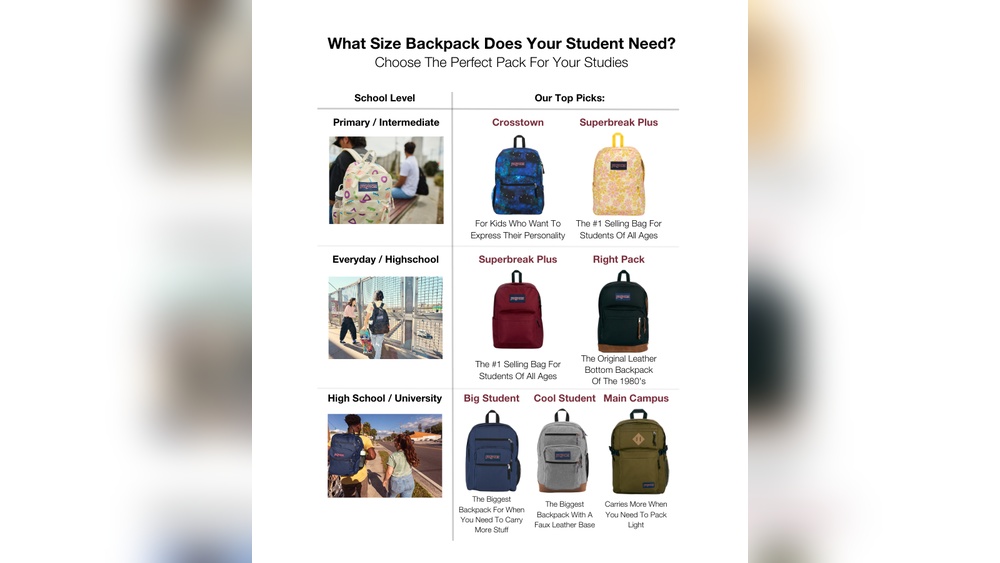
Have you ever wondered if your student backpack is the right size for your daily needs? Choosing the perfect backpack isn’t just about style—it’s about comfort, convenience, and making sure you can carry everything you need without feeling weighed down.
You’ll discover exactly how big a normal student backpack is and why size matters more than you might think. Keep reading to find out how the right backpack can make your school days easier and more organized.
Average Backpack Dimensions
Understanding the size of a normal student backpack helps in choosing the right one. Backpacks come in various sizes, but most follow a general range. These sizes fit daily school needs well. Knowing average dimensions helps in finding backpacks that are comfortable and practical.
Below are the key measurements to consider: height, width, depth, and volume in liters. These details explain how much space a backpack offers.
Height
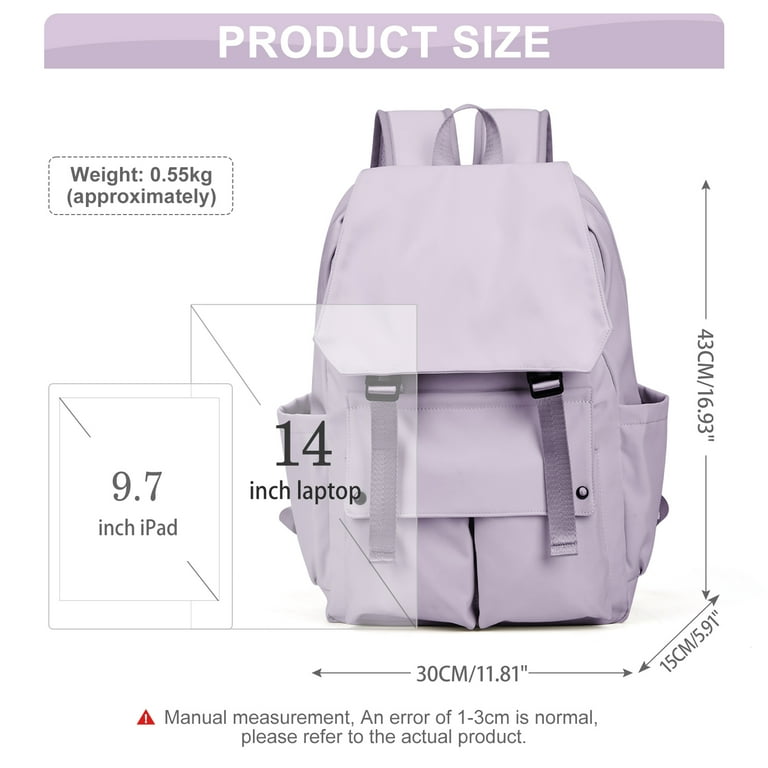
The height of a typical student backpack usually ranges from 16 to 20 inches. This size fits most school books and folders without bending them. It also makes carrying the backpack easier for students of different ages.
Width
Backpack width often measures between 12 and 14 inches. This width allows for enough space to hold notebooks, lunch boxes, and small personal items. It also helps keep the backpack balanced on the back.
Depth
Depth is the space from front to back. Most backpacks have a depth of 6 to 8 inches. This gives enough room to pack items without making the backpack too bulky.
Volume In Liters
Volume shows how much a backpack can carry. Average student backpacks hold about 20 to 30 liters. This size fits school supplies, a water bottle, and a jacket comfortably.

Credit: www.ebay.com
Backpack Sizes By Age Group
Backpack sizes vary by age group to fit students’ needs and bodies. Choosing the right size helps with comfort and carrying capacity. Each age group requires different dimensions to hold their school supplies properly. Here is a guide to common backpack sizes by age.
Elementary School Backpacks
Elementary backpacks are smaller and lighter. They usually measure 12 to 15 inches tall. Kids carry fewer books and supplies at this stage. The backpack should fit their small frames without causing strain. Bright colors and fun designs are popular here.
Middle School Backpacks
Middle school backpacks grow larger, around 15 to 17 inches tall. Students carry more textbooks and folders. They need a sturdy backpack with multiple compartments. Comfort features like padded straps become important. The size supports heavier loads but still fits mid-sized bodies.
High School Backpacks
High school backpacks usually measure 17 to 19 inches tall. Teenagers carry laptops, books, and sports gear. The backpack must be spacious and durable. Many prefer backpacks with laptop sleeves and extra pockets. The size balances capacity with comfort for growing teens.
College Backpacks
College backpacks are often 18 to 21 inches tall. Students carry laptops, books, and personal items daily. These backpacks focus on organization and style. They often include padded laptop compartments and tech-friendly features. Large enough for heavy loads but designed for long use.
Factors Influencing Backpack Size
Choosing the right backpack size depends on many things. Students carry different items every day. These items need space and comfort. Knowing what affects backpack size helps pick the best one. Let’s explore the main factors that influence how big a normal student backpack should be.
Number Of Books And Supplies
Books take up most space in a backpack. Some students carry three or four books. Others may need six or more. Supplies like notebooks, folders, and pencil cases add bulk. The more books and supplies, the bigger the backpack should be. Size must allow easy carrying without damage.
Laptop And Electronics
Many students carry laptops or tablets. These need special compartments or padding. Electronics add weight and size to the load. A backpack with a laptop sleeve or protective area is best. Electronics size varies. Bigger laptops require larger backpacks for safety.
Additional Compartments
Extra compartments keep items organized. Water bottles, lunch boxes, and chargers need space too. Some backpacks have side pockets or front pouches. More compartments mean more space is necessary. Choose backpacks with enough sections to fit everything neatly.
Popular Backpack Size Standards
Backpacks come in different sizes to fit various needs. Students use backpacks for books, laptops, and supplies. Knowing popular backpack size standards helps choose the right one. Sizes vary mainly by volume and dimensions. Understanding these sizes makes shopping easier.
Small Backpacks
Small backpacks usually hold 10 to 20 liters. They suit younger students or light packers. These bags fit a few books and small items. Small backpacks are lightweight and easy to carry. Perfect for short school days or minimal gear.
Medium Backpacks
Medium backpacks hold 20 to 35 liters. Most students use this size for daily school needs. They fit textbooks, a laptop, and lunch comfortably. Medium backpacks balance space and comfort well. Ideal for middle and high school students.
Large Backpacks
Large backpacks hold over 35 liters. They fit many books, folders, and extra gear. These are good for college students or heavy packers. Large backpacks can feel bulky if not packed carefully. They offer the most storage but need good support.
Choosing The Right Size Backpack
Choosing the right size backpack is important for students. A backpack that fits well helps carry books and supplies easily. It also protects the back and shoulders from pain. Size matters, but comfort and support matter more.
Here are key points to consider when selecting a student backpack size.
Ergonomics And Comfort
Ergonomics means how the backpack fits your body. A good backpack should sit close to the back. It should not hang too low or ride too high. Padding on the back and shoulder straps adds comfort. The right size backpack reduces strain on muscles and joints.
Weight Distribution
Weight distribution is how the load spreads on the back. A well-sized backpack spreads weight evenly. It prevents one side from carrying too much. Balanced weight helps keep good posture. It lowers the chance of pain or injury during long use.
Adjustability Features
Adjustability features allow the backpack to fit different body shapes. Look for adjustable shoulder straps and chest straps. These help tighten or loosen the backpack. A hip belt adds extra support. Adjustments keep the backpack stable and comfortable on the back.
Credit: www.walmart.com
Tips For Measuring Backpack Size
Measuring the size of a student backpack helps find the right fit. A good size ensures comfort and enough space for school items. Simple methods make measuring easy and accurate. Here are some tips to check backpack size correctly.
Using A Tape Measure
Start by using a tape measure to check the backpack’s height, width, and depth. Measure from the top to the bottom for height. Check across the widest part for width. Measure the side from front to back for depth. Write down these numbers to compare with school needs.
Checking Manufacturer Specifications
Look at the backpack’s label or website for size details. Manufacturers often list dimensions and volume in liters. This info helps understand the backpack’s capacity. Match these specs with your measurements for accuracy. It saves time and avoids mistakes.
Comparing With Existing Backpacks
Compare the new backpack with one you already own. Lay both backpacks flat and check their sizes side by side. This shows if the new one is bigger, smaller, or about the same. It helps choose a familiar and comfortable size for daily use.
Impact Of Backpack Size On Health
The size of a student backpack directly affects health. Heavy or large backpacks can cause strain on the back and shoulders. Carrying too much weight leads to poor posture and pain. Choosing the right backpack size helps avoid these problems.
Students often carry many books and supplies. A backpack that is too big may encourage carrying extra weight. This adds stress to growing muscles and bones. Proper backpack size supports a healthy spine and body.
Preventing Back Pain
Back pain is common with heavy backpacks. Use a backpack that fits the student’s body size. The backpack should not hang below the waist. Wide, padded shoulder straps distribute weight evenly. Avoid carrying more than 10-15% of the student’s body weight. This reduces pressure on the back and shoulders.
Proper Packing Techniques
Pack heavy items closest to the back. This keeps weight near the body’s center. Use all compartments to spread out the load. Avoid overfilling the backpack to keep it light. Always use both shoulder straps to balance weight. This prevents one-sided strain and improves comfort.
Credit: www.nytimes.com
Frequently Asked Questions
What Is The Average Size Of A Student Backpack?
A normal student backpack typically measures around 17 to 19 inches in height. It offers enough space for books, laptops, and supplies. This size balances comfort and capacity for daily school use.
How Much Can A Standard Student Backpack Hold?
Standard backpacks usually hold 20 to 30 liters. This volume fits textbooks, notebooks, and personal items comfortably. It’s ideal for most students’ daily needs without being too bulky.
Are Student Backpacks Adjustable For Different Body Sizes?
Yes, most student backpacks have adjustable shoulder straps. This feature ensures a comfortable fit for various body sizes. It helps distribute weight evenly to prevent strain during use.
What Materials Are Common In Normal Student Backpacks?
Student backpacks are often made from nylon or polyester. These materials are durable, water-resistant, and lightweight. They protect contents and withstand everyday wear and tear.
Conclusion
A normal student backpack usually holds about 20 to 30 liters. It fits books, notebooks, and small gadgets well. Size matters for comfort and ease during school days. Choosing the right backpack helps keep your belongings safe and organized. Remember, the best backpack suits your daily needs and body size.
Keep these points in mind when picking one. A good backpack makes school life easier and more comfortable. Simple and practical is often the best choice.