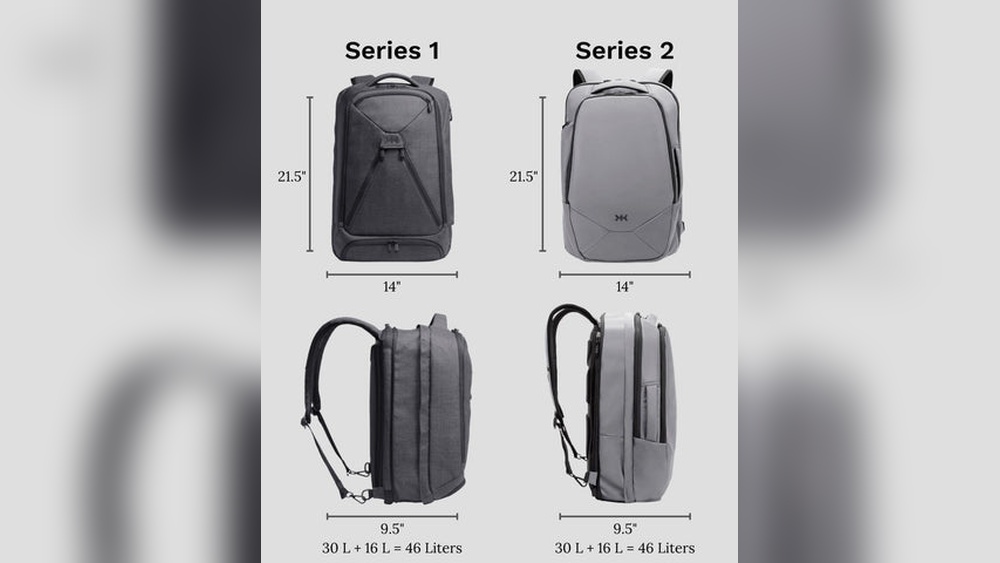
Have you ever wondered how much space a normal backpack actually holds? Knowing the size in liters can help you choose the perfect bag for your needs—whether it’s for school, travel, or daily use.
Getting this right means no more overpacking or struggling to fit everything inside. Keep reading to discover exactly how big a typical backpack is and how to pick the right size for your lifestyle. Your next backpack decision just got a lot easier.
Backpack Size Basics
Choosing the right backpack size helps you carry what you need without extra weight. Backpack sizes vary by volume, measured in liters. This volume shows how much space the bag offers inside. Understanding size basics makes packing easier and more efficient.
Backpacks come in many sizes, from small daypacks to large travel bags. Knowing the size you need saves time and helps avoid discomfort. Let’s explore what liter capacity means and common backpack sizes.
What Liter Capacity Means
Liter capacity shows how much space a backpack holds. One liter equals 1,000 cubic centimeters. The higher the liters, the more items fit inside. This number helps compare backpacks by volume, not just size.
For example, a 20-liter backpack holds less than a 40-liter one. It helps pick the best size for your trip or daily use. Carrying too large a backpack can be heavy and bulky.
Common Backpack Sizes
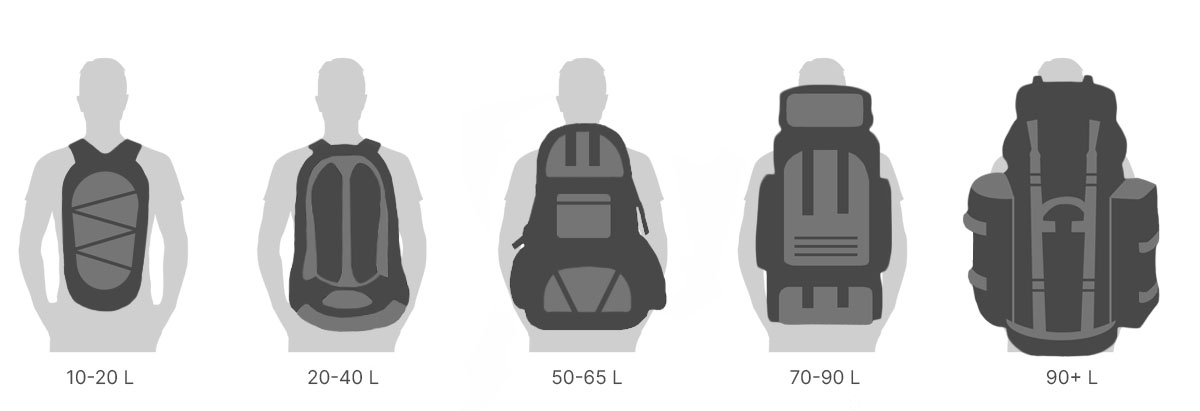
Small backpacks usually hold 10 to 20 liters. They fit essentials like a water bottle and small gadgets. These are good for short trips or school use.
Medium backpacks range from 20 to 40 liters. They carry more clothes and gear. Many hikers and students use this size daily.
Large backpacks hold 40 liters or more. These are best for longer trips and camping. They fit sleeping bags, clothes, and food supplies.
Everyday Backpacks
Everyday backpacks are designed for daily use. They hold essentials for school, work, or short trips. These backpacks are practical and comfortable. They fit your belongings without being too big or heavy.
Choosing the right size helps carry what you need easily. The size is usually measured in liters. This measurement tells how much space the backpack offers.
Typical Liter Range
Everyday backpacks usually range between 15 and 30 liters. Smaller packs, around 15 liters, carry only essentials. Larger ones, up to 30 liters, fit extra items like a lunch box or a light jacket. This size range works well for most daily activities.
Best Uses
These backpacks suit school, office, and casual outings. They hold books, laptops, and personal items comfortably. Many have compartments for organization. They keep your things safe and easy to find. Everyday backpacks also work well for light travel or gym visits.
School And Work Backpacks
School and work backpacks serve different but important needs. They carry books, laptops, and other daily essentials. Choosing the right size helps keep items safe and organized. A backpack too small won’t fit everything. Too big can feel heavy and awkward.
Ideal Volume For Books And Laptops
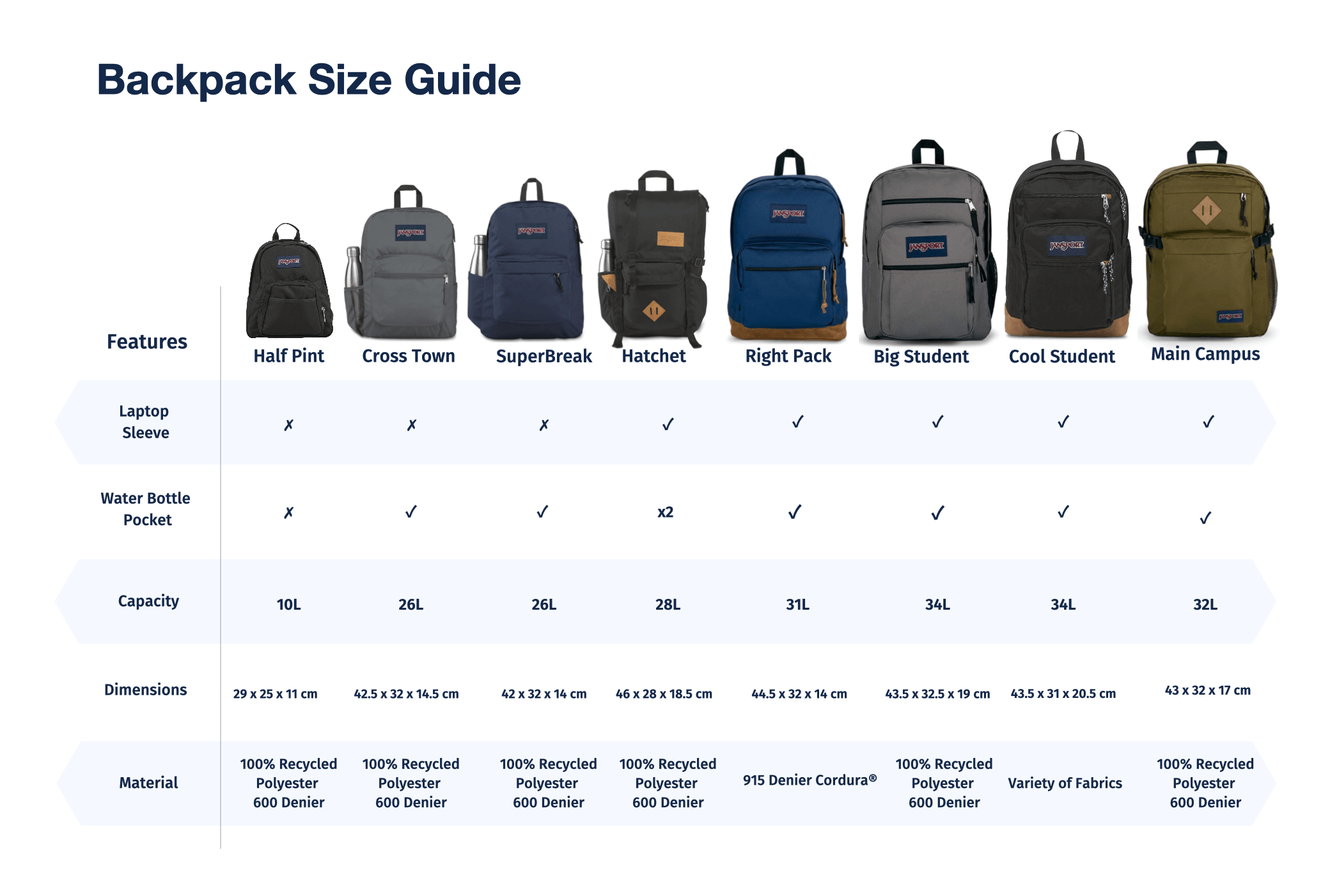
Most school and work backpacks range from 20 to 30 liters. A 20-liter backpack fits a few books and a small laptop. A 25 to 30-liter bag holds larger laptops and extra supplies. This size is easy to carry all day. It fits folders, notebooks, and lunch boxes comfortably. Backpacks larger than 30 liters are usually too bulky for daily school or work use.
Organizational Features
Good backpacks have special pockets for laptops and tablets. Padded compartments protect electronics from damage. Extra pockets keep pens, chargers, and phones in place. Some bags have separate sections for books and snacks. Easy access pockets help keep small items handy. These features make school and work days smoother and more organized.
Credit: site-craft.net
Travel Backpacks
Travel backpacks come in many sizes and shapes. They offer space for clothes, gadgets, and essentials. Choosing the right size helps you travel light and stay comfortable. Knowing the liters of a backpack makes packing easier and better organized.
Backpacks for travel usually range from small to large sizes. Each size suits different trip lengths and activities. Picking the right liter capacity depends on your travel style and needs.
Small Vs. Large Travel Packs
Small travel backpacks hold 20 to 35 liters. They work well for short trips or day hikes. Light and easy to carry, they keep you agile on the move.
Large travel backpacks range from 50 to 70 liters. These packs fit more clothes and gear. They are good for long trips or when you need extra space.
Choosing between small and large depends on your trip length and what you carry. Small packs limit weight, while large packs allow more items.
Packing Tips By Liter Size
For small backpacks, pack only essentials. Use packing cubes to save space. Roll clothes tightly and choose lightweight items.
Large backpacks need better organization. Separate gear into compartments. Keep heavy items close to your back for balance.
Always pack smart. Less clutter means easier travel. Knowing your backpack’s liters helps you plan wisely.
Outdoor And Hiking Backpacks
Outdoor and hiking backpacks come in many sizes. They are made to carry gear and supplies comfortably. The size you choose depends on your trip length and needs. Understanding backpack capacity helps you pack just right. Too small means leaving things behind. Too big means carrying extra weight. Let’s explore common sizes used for hiking.
Daypacks And Their Capacity
Daypacks are small backpacks for short trips. They usually hold between 15 and 30 liters. This size fits water, snacks, a jacket, and some small gear. Daypacks keep your load light. You can move easily on trails. Most hikers use daypacks for trips under 12 hours. They are perfect for simple hikes or city walks.
Multi-day Hiking Packs
Multi-day hiking packs are larger for longer trips. These backpacks range from 40 to 70 liters or more. They carry camping gear, food, clothes, and sleeping bags. The extra space is useful for trips lasting two or more days. These packs have more compartments and support to carry weight well. Choosing the right size helps you stay comfortable on long hikes.
Credit: www.pwmachineservices.com
Choosing The Right Size
Choosing the right backpack size is important for comfort and usefulness. A backpack that is too big or too small can cause problems. It might feel heavy or not hold what you need. Finding the right size helps you carry your items easily and keeps you comfortable throughout the day.
The size of a backpack is usually measured in liters. This tells how much space the bag has inside. Knowing how many liters you need depends on what you plan to carry and how long you will use the backpack. Let’s explore how to pick the perfect size for your needs.
Matching Backpack To Activity
Different activities need different backpack sizes. For daily use, like school or work, 15 to 25 liters is enough. Hiking or camping needs more space, usually 30 to 50 liters. For long trips, choose backpacks over 50 liters to fit all gear. Choose a size that fits what you carry most often.
Personal Comfort And Fit
Comfort is key when choosing backpack size. A big backpack can feel heavy and strain your back. A small one might not hold your things well. Try the backpack on to check the fit. Adjust straps to fit your body shape. The right size fits snugly without feeling tight or loose.
Measuring Your Backpack
Measuring your backpack helps you know its size and capacity. This is key when choosing the right backpack for school, travel, or hiking. The size usually shows in liters, which tells how much stuff fits inside. Knowing how to measure your backpack saves time and avoids buying the wrong size.
How To Check Liter Capacity
Look for a label or tag on the backpack. Most backpacks list their capacity in liters there. If no label exists, check the brand’s website or manual. The number you find is the total volume the backpack can hold. This number guides you on what the backpack can carry.
Estimating Volume At Home
Fill your backpack with small objects like clothes or books. Take out everything and measure the inside space. Use a ruler to find the length, width, and height in centimeters. Multiply these three numbers to get cubic centimeters. Divide by 1000 to convert to liters. This method gives a close idea of your backpack’s size.

Credit: www.sietesetenta.com.ar
Frequently Asked Questions
What Is The Average Size Of A Normal Backpack In Liters?
A normal backpack typically ranges from 20 to 30 liters. This size suits daily use, commuting, and light travel. It offers enough space for essentials like books, a laptop, and personal items without being bulky.
How Many Liters Does A Standard School Backpack Hold?
Standard school backpacks usually hold between 20 and 25 liters. This capacity fits textbooks, notebooks, lunchboxes, and small gadgets comfortably. It balances storage space and portability for students.
What Size Backpack Is Ideal For Everyday Use In Liters?
For everyday use, a backpack between 20 and 30 liters is ideal. It provides sufficient room for daily essentials while remaining lightweight and easy to carry. This size supports work, school, or casual outings efficiently.
How Does Backpack Liter Capacity Affect Comfort And Usability?
Backpacks with 20-30 liters capacity strike a balance between comfort and storage. Smaller backpacks are lighter but hold less, while larger ones can be bulky and heavy. Choosing the right size improves comfort and meets your daily carrying needs.
Conclusion
A normal backpack usually holds between 20 and 30 liters. This size fits daily needs like books, snacks, and small gadgets. It is neither too big nor too small for most people. Choosing the right size depends on what you carry every day.
Remember, a comfortable backpack makes your day easier. Keep this size in mind when buying your next backpack. It helps you stay organized and ready for anything.
