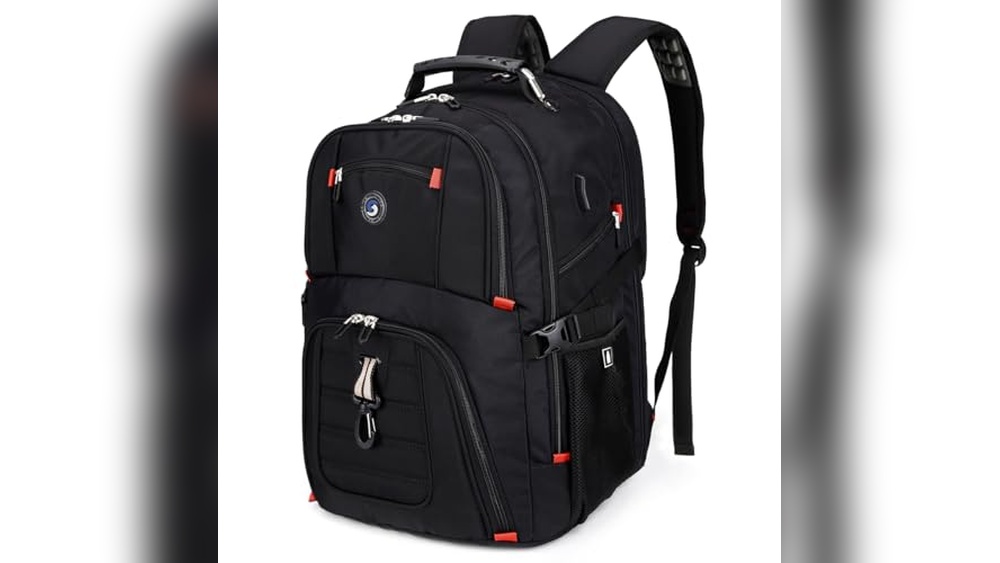
If you love hiking or trekking, you know how important it is to have your gear organized and easy to carry. Adding trekking pole loops to your backpack can make a huge difference.
It keeps your poles secure and frees up your hands when you need them. But how do you add these loops yourself without spending a lot of money or buying a new bag? In this guide, you’ll learn simple, step-by-step methods to attach trekking pole loops to your backpack quickly and safely.
By the end, you’ll have a customized pack that fits your adventure style perfectly. Ready to upgrade your gear? Let’s get started!
Materials Needed
Adding trekking pole loops to your backpack needs the right materials. These materials ensure the loops are strong and last long. Choosing good fabric, hardware, and tools makes the task easier and the result better.
Each element plays a key role in holding your trekking poles securely. This guide covers the basics you need before starting.
Choosing The Right Fabric
Pick a fabric that is tough and wear-resistant. Nylon and polyester webbing work well. They resist tears and handle outdoor conditions. The fabric should be about one inch wide for strength. Avoid thin or weak fabrics that can break easily.
Selecting Suitable Hardware
Hardware must be durable and rust-proof. Look for metal or heavy-duty plastic buckles and D-rings. These parts keep the loop tight and secure. Choose hardware that matches the fabric width. This prevents slipping and ensures a firm grip.
Tools Required
Basic sewing tools are needed for attaching the loops. A strong needle and thick thread are essential. Scissors help cut fabric cleanly. A lighter can seal fabric edges to stop fraying. Optionally, use a sewing machine for stronger stitches.
Preparing Your Backpack
Preparing your backpack is an important step before adding trekking pole loops. It ensures the loops attach firmly and work well. Taking time to prepare helps avoid damage and keeps your gear safe. Follow these steps to get your backpack ready.
Identifying Attachment Points
Start by finding the best spots for the loops. Look for strong areas on your backpack. These are usually near compression straps or webbing. Avoid thin or weak fabric. Check both sides of the pack to balance the poles.
Feel the material with your hands. Strong points often have extra stitching or thicker fabric. Mark these places lightly with a pencil or fabric chalk. Good attachment points keep your poles steady during hikes.
Cleaning And Marking The Area
Clean the backpack surface where you will add the loops. Dirt or dust can stop glue or stitches from holding well. Use a damp cloth and mild soap. Let the area dry completely before moving on.
Mark exact spots for each loop with small dots. Use a pencil or tailor’s chalk. These marks guide you during attachment. Clear marks help keep your work neat and aligned.
Measuring And Cutting Loops
Measuring and cutting loops is the first step to attach trekking pole loops on your backpack. Precise measurement ensures the loops fit well and hold your poles securely. Cutting the straps accurately prevents frayed edges and gives a clean finish. This section helps you measure and cut the loops correctly for a professional look and strong hold.
Determining Loop Length
Start by measuring the trekking pole diameter. Add a bit of extra length for easy movement. Usually, 6 to 8 inches works well for most poles. Consider the strap thickness and how tight you want the loop. Too short loops can break or damage poles. Too long loops may cause poles to slip or swing.
Cutting Straps Accurately
Use sharp scissors or a rotary cutter for clean cuts. Measure twice before cutting to avoid mistakes. Mark the strap with a pen or chalk for a straight line. Cut slowly to prevent jagged edges. Seal the ends with a lighter or heat tool to stop fraying. This step keeps loops durable and neat.
Attaching The Loops
Attaching trekking pole loops to your backpack helps keep your gear organized and easy to reach. Secure loops hold poles firmly during hikes. Proper attachment ensures durability and safety on trails. Choose a method that fits your tools and sewing skills.
Sewing Techniques For Durability
Use strong thread like nylon or polyester for sewing loops. Double-stitch the ends to prevent fraying or loosening. Sew in a box or X pattern for extra strength. Reinforce the stitch area with fabric patches if needed. Always test the stitching by pulling gently before use.
Using Rivets Or Clips
Rivets add metal strength to hold loops firmly in place. Use a rivet tool to punch holes and fasten securely. Clips offer quick attach and detach options for removable loops. Choose clips made from durable plastic or metal. Ensure clips lock tightly to avoid slipping during hikes.
Testing The Setup
Testing the setup is the key step after adding trekking pole loops on your backpack. This step ensures your poles stay secure and comfortable during your hike. Take time to check and adjust the setup before hitting the trail. Small changes can make a big difference in comfort and convenience.
Securing Trekking Poles
Start by placing your trekking poles in the loops. Make sure the poles fit tightly and do not slip out easily. Secure the straps or cords that hold the poles. Pull them snug but not too tight to avoid damage. Walk a few steps to see if the poles stay in place. Shake your backpack lightly to test the hold. Adjust the straps if the poles move too much or feel loose.
Adjusting For Comfort
Check how the poles affect your backpack’s balance. The poles should not pull your pack to one side. Adjust the loop placement or strap tightness to improve balance. Make sure the poles do not press against your body uncomfortably. Walk with the backpack on to feel how it sits. Change the loop height or position if needed. Comfort helps you hike longer without pain or distraction.
Maintenance Tips
Proper care keeps your trekking pole loops strong and safe. Regular maintenance helps avoid damage and extends loop life. Small checks save you from big problems during hikes.
Inspecting Loops Regularly
Look at the loops before every trip. Check for fraying, loose threads, or tears. Feel the material to see if it feels weak or thin. Make sure the loops hold poles tightly. Early spotting of issues avoids failure on the trail.
Repairing Wear And Tear
Fix small rips with strong thread and a needle. Use fabric glue for minor frays to stop spreading. Replace loops if damage is too big. Use durable materials like nylon for repairs. Well-maintained loops keep your poles secure and your hike safe.
Frequently Asked Questions
How Do I Add Trekking Pole Loops To A Backpack?
To add trekking pole loops, sew sturdy fabric loops on your backpack’s lower side. Attach adjustable straps for security.
What Materials Are Needed For Trekking Pole Loops?
You need durable nylon webbing, strong thread, a needle, scissors, and adjustable buckles to create effective pole loops.
Can I Add Trekking Pole Loops Without Sewing?
Yes, use heavy-duty adhesive Velcro strips or clamp-style pole holders as a no-sew alternative for loops.
Where Should Trekking Pole Loops Be Placed On Backpacks?
Place loops near the bottom corners of the backpack for balance and easy access while hiking.
Conclusion
Adding trekking pole loops to your backpack is simple and useful. It keeps your poles safe and easy to reach. You can enjoy your hike without stopping to hold them. Just follow the steps carefully, and your backpack will work better.
This small change makes a big difference on the trail. Try it yourself and see how handy it becomes. Happy hiking!