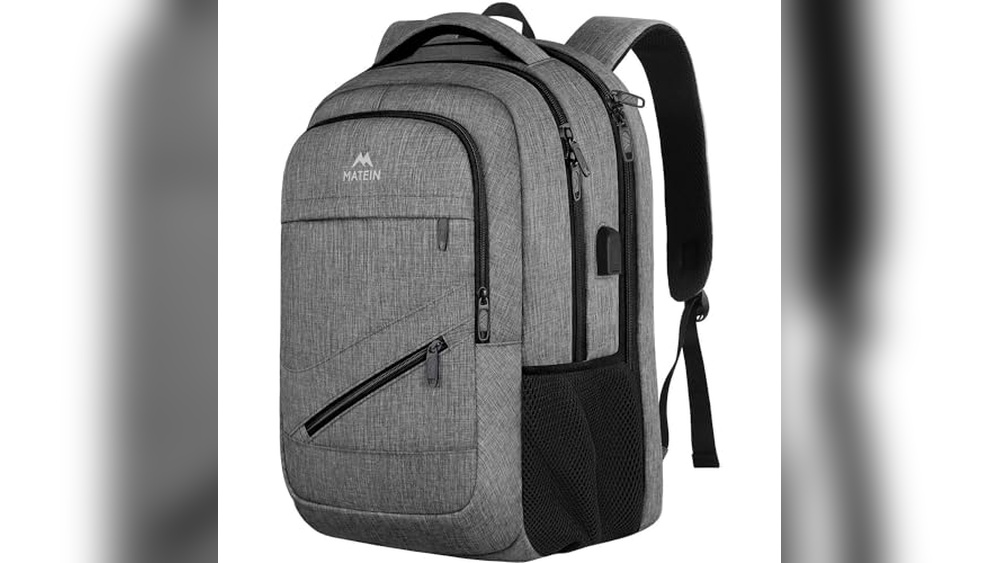
Choosing the right backpack for college can feel overwhelming. You want something that fits all your books, laptop, and essentials without being too bulky or uncomfortable.
But how big should your backpack really be? Picking the wrong size can lead to back pain or leaving important items behind. You’ll discover exactly what size backpack suits your college needs, helping you stay organized and comfortable every day.
Keep reading to find the perfect balance between space and convenience for your college life.
Choosing The Right Backpack Size
Picking the right backpack size is key for college students. It affects comfort and how much stuff you can carry. A backpack too big feels heavy and clumsy. Too small, and it won’t hold all your books and supplies.
Think about what you carry every day. Textbooks, notebooks, laptop, lunch, and maybe gym clothes. Your backpack must fit all these without being too bulky. Size matters for your back health and daily convenience.
Factors Affecting Backpack Size
First, consider your course load. Some students need more books and folders. Others carry mostly digital devices and few papers. Your major can change your needs.
Next, think about your style. Do you prefer a light pack or carry extra items? Some students bring snacks, water bottles, or sports gear. These add to the space needed.
Also, your body size plays a role. A large backpack on a small frame can cause pain. Choose a size that fits your height and build well. Adjustable straps help with fit and comfort.
Standard Backpack Sizes Explained
Backpacks come in small, medium, and large sizes. Small bags hold about 15-20 liters. They work for light loads and short days on campus. Medium backpacks range from 20-30 liters. Most students find this size perfect. Large backpacks go above 30 liters. These carry heavy loads for long days or many classes.
Look for backpacks with multiple compartments. This helps organize books, gadgets, and personal items. A padded laptop sleeve is important for protection. Water bottle holders add convenience without extra bulk.
Choosing a backpack size depends on your daily needs and body fit. The right size keeps you comfortable and ready for each class.
Daily Use Backpacks
Daily use backpacks are the best choice for college students who carry essentials every day. These bags combine convenience and style. They fit books, gadgets, and personal items without being too big or heavy. Choosing the right size helps keep your back comfortable and your items organized.
Ideal Capacity For Everyday Needs
A daily use backpack usually holds 15 to 25 liters. This size fits a laptop, notebooks, water bottle, and snacks. It offers enough room for class essentials without extra bulk. A bag this size helps you stay light while carrying what matters most.
Balancing Comfort And Space
Comfort is key for daily backpacks. Look for padded straps and breathable back panels. These features reduce strain during long walks across campus. The right backpack feels light even when full. It fits snugly but leaves space to move freely.
Backpacks For Heavy Loads
College students often carry many books, laptops, and supplies. A backpack that holds heavy loads well is important. It helps keep the weight balanced and reduces strain on the back.
Choosing the right size and features can make a big difference. A strong backpack can last through semesters of use and support all your gear.
When To Opt For Larger Backpacks
Choose a larger backpack if you carry many textbooks daily. Some courses need more notebooks, devices, or tools. A bigger bag helps keep everything organized and safe.
Larger backpacks suit students who move between classes often. They prevent the need to leave items behind or carry extra bags.
Features For Carrying More Books And Gear
Look for padded shoulder straps to ease pressure on your shoulders. A padded back panel adds comfort and support. Multiple compartments help sort books and gadgets neatly.
Strong zippers and durable fabric increase the backpack’s lifespan. Side pockets offer space for water bottles or small items. Adjustable straps let you fit the backpack snugly.
Specialized Backpacks
Specialized backpacks serve unique needs beyond carrying books. These bags fit specific items and activities. Choosing the right type can improve daily comfort and organization. College students often need bags made for technology or sports gear.
Specialized backpacks vary in size and compartments. Some have extra padding for laptops. Others include pockets for sports equipment. Knowing these options helps pick a backpack that works best.
Laptop And Tech-friendly Sizes
Laptop backpacks have padded compartments to protect devices. Sizes range from small, for tablets, to large for 17-inch laptops. Extra pockets hold chargers, cables, and accessories. These bags keep tech organized and safe. A slim design fits classroom and library use well.
Backpacks For Sports And Extracurriculars
Sports backpacks include space for shoes and uniforms. Ventilated compartments prevent bad smells. Some have separate wet pockets for sweaty clothes. These bags are usually larger and more durable. Ideal for students active in sports or clubs. They keep gear separate from books and laptops.
Tips To Measure Backpack Capacity
Choosing the right backpack size for college can be tricky. Measuring backpack capacity helps find the perfect fit. Knowing how much space you need stops you from carrying too much or too little. Use these tips to understand backpack volume clearly.
Using Liters To Gauge Size
Backpack capacity is often shown in liters. Liters tell how much space is inside the bag. A small backpack may hold 15 to 20 liters. Medium backpacks usually have 20 to 30 liters. Large backpacks hold 30 liters or more. Think about what you need to carry daily. Books, laptop, and snacks all take space. Pick a size that fits your essentials comfortably.
Visualizing Volume With Everyday Items
Visualizing liters helps imagine the backpack size. A 20-liter backpack fits about ten water bottles. Thirty liters can hold a small sleeping bag or a jacket. Use items you carry to picture the space. This makes choosing easier and more practical. Try filling a box with your daily items. Check if the backpack size matches the box. This simple trick helps avoid buying backpacks that are too big or small.
Ergonomics And Comfort
Choosing a backpack for college is not only about size but also comfort and ergonomics. A backpack that feels good on your back helps avoid pain and injury. Comfort supports long days of carrying books and gadgets. Ergonomics means the backpack fits your body well. This reduces strain on your shoulders and spine. A well-designed backpack makes daily use easier and safer.
Choosing Size For Back Health
A backpack that is too large can cause back problems. It may force you to lean forward, stressing your spine. Too small a backpack might not hold all your items, leading to overstuffing. Choose a backpack that fits your body size and holds your essentials. The backpack should not hang below your waist or above your shoulders. This keeps your back straight and balanced.
Adjustability And Support Features
Adjustable straps help customize the fit for your body. Look for padded shoulder straps to reduce pressure. A chest strap helps keep the backpack close to your body. Waist belts share the weight across your hips, not just your shoulders. Good padding in the back area adds comfort and protects your spine. These features improve posture and reduce fatigue during long days.
Popular Backpack Sizes By Brand
Choosing the right backpack size is key for college students. Different brands offer various sizes to fit your needs. Some backpacks are small and light. Others are bigger to carry many books and a laptop. Understanding popular backpack sizes by brand helps you pick the best one.
This guide compares top brands and their size options. It also matches sizes to student types. You will see which backpack fits your daily routine.
Comparing Top Brands’ Offerings
Nike backpacks often range from 20 to 30 liters. They suit students who carry light gear. Jansport offers backpacks from 25 to 35 liters. Their bags are popular for carrying many books and laptops. The North Face has backpacks around 30 to 40 liters. These are great for students needing extra space.
Herschel backpacks usually fall between 22 and 28 liters. They have stylish designs for casual use. Under Armour offers backpacks from 25 to 32 liters. Their bags are durable and good for sports and study. Eastpak backpacks range from 24 to 36 liters. They balance size and comfort well.
Best Sizes For Different Student Types
Light packers need backpacks between 15 and 20 liters. These bags hold a tablet, notebook, and small items. Average students should choose backpacks from 25 to 30 liters. This size fits textbooks, laptops, and lunch boxes. Heavy packers benefit from backpacks over 30 liters. They can carry extra clothes, gadgets, and supplies.
Students who walk a lot prefer backpacks with padded straps. Those who bike may want water-resistant materials. Size and comfort matter for long days on campus. Pick a backpack size that matches your daily load and style.
Frequently Asked Questions
What Backpack Size Is Ideal For College Students?
A 20 to 30-liter backpack is ideal for college. It holds textbooks, a laptop, and essentials without being bulky. Choose a size based on your daily needs and class schedule.
How To Choose A Backpack Size For College Books?
Select a backpack that fits your largest textbook. A 25 to 30-liter pack usually fits most books and supplies. Consider compartments for organization and easy access to materials.
Can A Small Backpack Suffice For College Use?
A small backpack under 20 liters works if you carry minimal items. Use it for light days or short classes. For heavy textbooks, a larger size is better.
Does Laptop Size Affect Backpack Size Choice?
Yes, laptop size is crucial. Ensure the backpack has a padded compartment matching your laptop dimensions. This protects your device and affects overall backpack capacity.
Conclusion
Choosing the right backpack size makes college life easier. A medium-sized backpack usually fits books, laptop, and snacks. Avoid carrying too much weight to stay comfortable. Consider your daily needs and class schedule too. A good backpack helps keep your things organized.
Remember, comfort and space matter most for long days. Pick a backpack that fits your style and needs well. This small step can make your college days better.