Ready to explore the world with just a backpack on your shoulders? Backpacking is one of the best ways to discover new places, meet interesting people, and challenge yourself.
But starting out can feel overwhelming. What should you pack? Where do you go first? How do you stay safe and comfortable? This guide will walk you through every step, making it simple for you to begin your backpacking adventure with confidence.
Keep reading, and you’ll soon be ready to hit the trail and create memories that last a lifetime.
Choosing Your First Backpack
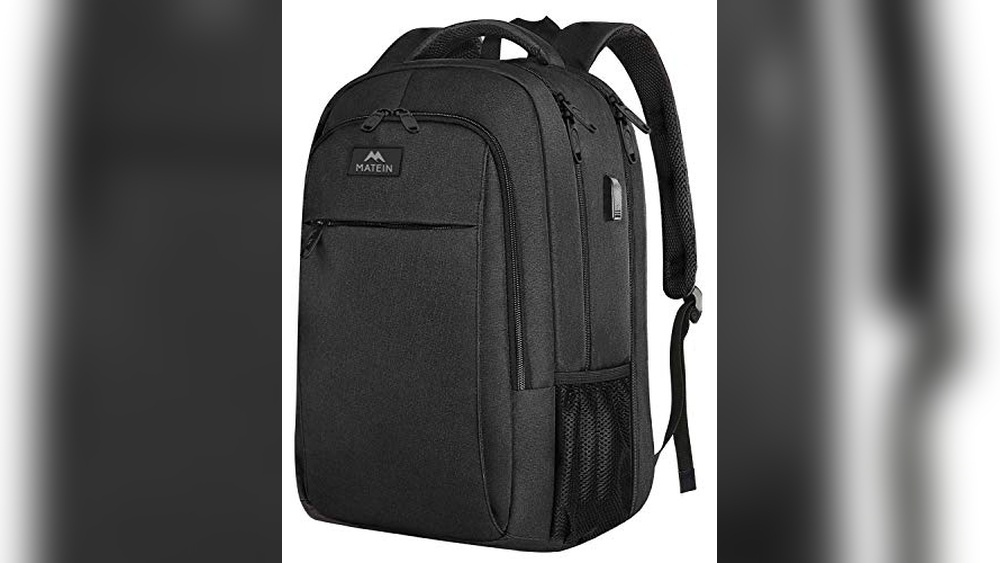
Choosing your first backpack is an important step for any beginner backpacker. The right backpack makes your trip easier and more comfortable. It carries all your gear and keeps you balanced on the trail. Pick a backpack that fits your body and matches your travel style. This helps you enjoy every step of your adventure.
Types Of Backpacks
Backpacks come in many shapes and designs. Daypacks are small and light, perfect for short trips. Hiking backpacks are bigger and hold more gear. Travel backpacks have features for easy airport use. Each type suits different trips and needs. Choose the style that fits your plan best.
Size And Fit
Size matters when picking a backpack. A backpack too big or small can cause pain. Measure your torso length to find the right fit. The pack should sit comfortably on your hips. Try the backpack with weight to feel how it carries. Comfort helps avoid sore shoulders and back pain.
Essential Features
Look for pockets and compartments for easy packing. Padded straps and back support add comfort. A rain cover protects your gear from wet weather. Adjustable straps help balance the load. Ventilation keeps your back cool during hot hikes. These features make your backpack work better for you.
Selecting The Right Gear
Selecting the right gear is key for a good backpacking trip. The right equipment keeps you safe, comfortable, and ready for any weather. It also makes your backpack lighter and easier to carry. Focus on items that serve multiple purposes and are easy to pack. Choose quality gear that fits your needs and budget.
Clothing Essentials
Pick clothes that dry fast and keep you warm. Layering is important. Use a moisture-wicking base layer to keep sweat away. Add an insulating layer for warmth. Bring a waterproof jacket to stay dry in rain. Avoid cotton; it holds water and cools you down. Choose lightweight, durable clothes that fit well. Bring extra socks to prevent blisters and keep feet dry.
Sleeping Gear
A good sleeping bag keeps you warm at night. Choose one rated for the temperatures you expect. A lightweight sleeping pad adds comfort and insulation from the cold ground. Consider a compact pillow or use clothes for support. A small, packable tent or hammock offers shelter. Make sure your gear packs small and fits your backpack.
Cooking Equipment
Bring a simple stove that runs on fuel you can carry easily. A lightweight pot or pan helps you cook meals. Carry basic utensils like a spoon and fork. Choose food that cooks quickly and is easy to store. Don’t forget a lighter or waterproof matches. Carry enough water and a filter or purifier for safety. Keep your cooking gear compact to save space.
Planning Your Route
Planning your route is a key step in backpacking. It helps you stay safe and enjoy your trip. A good route avoids surprises and ensures you see great places. Take time to think about where to go, how far to walk, and what conditions to expect. This makes your backpacking trip smoother and more fun.
Researching Destinations
Start by choosing places that interest you. Look for trails with good reviews and clear maps. Check if the area is open and safe for backpacking. Read about local rules and permits needed. Find out what sights and landmarks you will see. This helps you pick a route that fits your style and goals.
Estimating Daily Distances
Plan how far you will walk each day. Think about your fitness level and experience. Shorter distances are better for beginners. Count on walking 10 to 15 miles per day. Remember to include time for rest and meals. This prevents tiredness and keeps your energy up.
Considering Weather And Terrain
Check the weather forecast for your trip dates. Avoid seasons with heavy rain or extreme heat. Study the trail’s terrain. Steep hills and rough paths slow you down. Smooth trails allow faster walking. Prepare for changes in weather and ground conditions. This helps you pack the right gear and stay safe.
Packing Smart
Packing smart is key for a successful backpacking trip. Carrying the right gear helps you stay comfortable and safe. It also makes your journey easier. Knowing what to pack and how to arrange your items saves time and energy. This guide shares simple tips on packing smart.
Weight Management
Keep your backpack light to avoid fatigue. Choose lightweight clothes and gear. Carry only what you need. Avoid packing extra items that add weight. Distribute weight evenly inside your backpack. Place heavier items close to your back. This helps keep balance and reduces strain.
Organizing Your Backpack
Organize items by use and size. Put frequently used items on top or in outside pockets. Pack clothes in dry bags or stuff sacks. Use compartments to separate food, clothes, and gear. Keep small items in zippered pouches. This makes finding things faster and easier.
Must-have Items
Bring essential items for safety and comfort. A good backpack, sturdy shoes, and weather-appropriate clothes matter. Carry a water bottle, map, and first aid kit. Don’t forget a flashlight and a multi-tool. Pack enough food and snacks. These items help you enjoy your trip without problems.
Building Physical Fitness
Building physical fitness is a key step before starting backpacking. Your body needs strength and stamina. This helps you enjoy your trips more and avoid problems on the trail.
Focus on exercises that improve your muscles and heart health. This prepares you for carrying a heavy pack and walking long distances. Start slow and increase your effort over time.
Training Tips
Begin with light workouts to build your strength. Use bodyweight exercises like squats and lunges. These improve leg and core muscles. Add weight gradually to simulate your backpack load.
Train regularly, at least three times a week. Consistency helps your body adapt. Include rest days to allow muscle recovery. Stretch after each session to keep flexible.
Endurance Exercises
Walking and hiking are great for endurance. Start with short walks, then increase distance. Use a backpack with some weight to mimic real hikes. Try cycling or swimming to boost cardio fitness.
Practice walking on different surfaces. Trails, hills, and uneven ground prepare your body for outdoor terrain. This improves balance and reduces fatigue during backpacking.
Preventing Injuries
Warm up before every workout to prepare muscles. Cool down after to reduce soreness. Wear proper shoes that support your feet and ankles. This helps avoid blisters and strains.
Listen to your body and stop if you feel pain. Avoid overtraining, which can cause injuries. Use good posture while walking and carrying your pack.
Safety On The Trail
Safety on the trail is the top priority for every backpacker. It keeps your trip fun and stress-free. Knowing how to stay safe helps you face challenges with confidence. Here are key safety tips to follow before and during your hike.
Navigation Skills
Good navigation skills prevent getting lost in the wild. Learn to read maps and use a compass. Carry a GPS device as a backup. Practice checking your position regularly on the trail. Mark your route and note landmarks. Always have a clear plan for your hike.
Emergency Preparedness
Prepare for emergencies by packing a first aid kit. Include bandages, antiseptics, and any medicines you need. Bring a whistle and a flashlight with extra batteries. Know how to call for help or signal rescuers. Share your hiking plan with someone before you leave.
Wildlife Awareness
Understanding local wildlife helps avoid dangerous encounters. Keep a safe distance from animals and do not feed them. Store food in sealed containers to prevent attracting animals. Learn how to react if you meet a wild animal. Respect their space and stay calm.
Budgeting Your Trip
Budgeting your backpacking trip helps you enjoy the journey without money stress. Planning costs early keeps your adventure smooth and fun. It also helps you avoid surprises and stay safe.
Estimating Costs
Start by listing all possible expenses. Include transport, food, accommodation, and activities. Check prices online for each item. Add a little extra for emergencies or special treats. This gives a clear idea of your total budget.
Saving Strategies
Cook your meals instead of eating out often. Use public transport or walk to save money. Choose hostels or shared rooms for cheaper stays. Travel during off-peak seasons for better prices. Carry a refillable water bottle to avoid buying drinks.
Affordable Destinations
Pick countries known for low living costs. Southeast Asia, parts of Eastern Europe, and Central America offer good value. Research local prices to match your budget. These places provide rich experiences without high expenses. Enjoy culture and nature without overspending.
Connecting With Fellow Backpackers
Connecting with fellow backpackers enriches your travel experience. It builds friendships and opens doors to new adventures. Sharing stories and tips helps you travel smarter and safer. Meeting others who love backpacking creates a sense of community. It makes solo trips less lonely and more fun.
Joining Communities
Find online groups and local clubs for backpackers. Social media platforms host many active backpacking communities. Join forums where members share advice and trip reports. Attend meetups or events to meet backpackers face to face. These groups offer support and valuable travel information.
Sharing Experiences
Talk about your journeys with other backpackers. Share your favorite trails, campsites, and travel tips. Listening to others’ stories inspires your own trips. Swapping experiences builds trust and friendships. Honest talks prepare you for challenges on the road.
Learning From Others
Ask questions and listen to seasoned backpackers. Learn about gear, safety, and budgeting from them. Their advice helps you avoid common mistakes. Seeing different travel styles broadens your perspective. Use their knowledge to plan better and enjoy more.
Frequently Asked Questions
What Essential Gear Do I Need For Beginner Backpacking?
Start with a lightweight backpack, comfortable shoes, weather-appropriate clothing, a sleeping bag, and a first aid kit. Bring a map, water bottle, snacks, and a multi-tool. These basics ensure safety and comfort on your first backpacking trip.
How Do I Plan My First Backpacking Route?
Choose a trail suitable for beginners, considering distance and difficulty. Research trail conditions and weather. Use maps and guidebooks. Plan daily distances and camping spots. Always inform someone about your itinerary for safety.
What Food Is Best For Backpacking Beginners?
Opt for lightweight, high-energy foods like trail mix, energy bars, dried fruits, and instant meals. Choose non-perishable, easy-to-prepare items. Proper nutrition keeps your energy up and reduces backpack weight.
How Can I Stay Safe While Backpacking Alone?
Inform someone about your route and expected return time. Carry a first aid kit and emergency whistle. Stay on marked trails, avoid risky areas, and check weather updates. Trust your instincts and know basic survival skills.
Conclusion
Starting backpacking opens doors to new places and friends. Plan well but stay open to surprises. Pack light, carry only what you need. Trust your instincts and enjoy each step. Every trip teaches something new and exciting. Adventure awaits those who simply begin.
So, take that first step today. The world is ready for you.