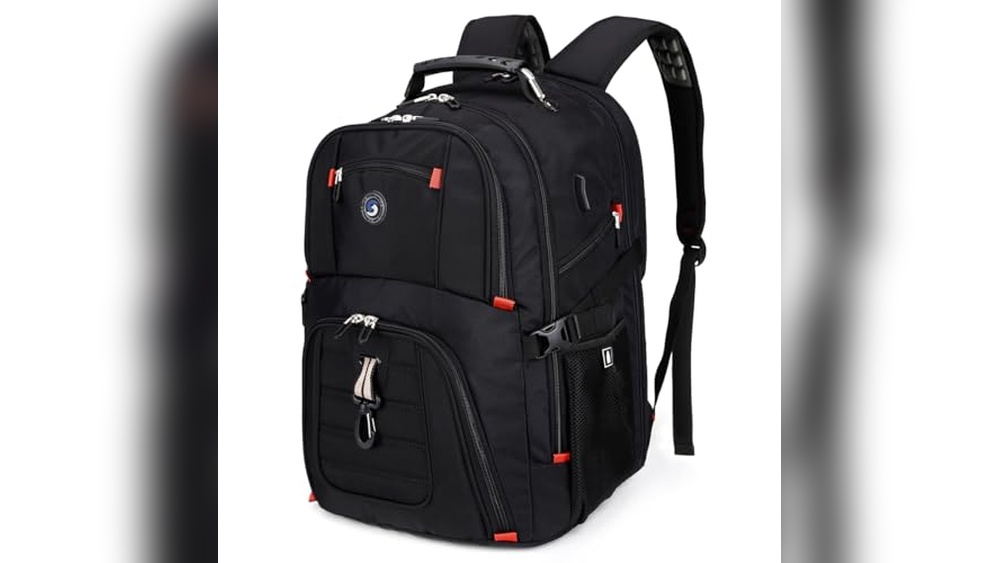
Are you ready to take your hunting experience to the next level? Learning how to backpack a summit treestand can make all the difference when you’re deep in the wilderness.
It’s not just about carrying gear—it’s about moving smart, staying safe, and setting yourself up for success. In this guide, you’ll discover simple, practical tips to pack your treestand efficiently so you can focus on what matters most—your hunt. Keep reading, and you’ll be ready to tackle any climb with confidence.
Choosing The Right Summit Treestand
Choosing the right Summit treestand is key for a successful backpack hunt. It affects how far you can walk, how fast you set up, and how comfortable you stay. Pick one that fits your needs and makes carrying easier on rough trails.
Weight And Size Considerations
Lightweight treestands reduce fatigue on long hikes. Smaller stands fit better in tight spots and pack into your gear easier. Balance weight with stability. A very light stand might feel less steady. Check the weight and folded size before buying.
Features That Ease Carrying
Look for built-in backpack straps or padded shoulder straps. These features spread the load evenly on your back. Some models have quick-release buckles for easy attachment. A comfortable carry system helps you move quietly and fast through the woods.
Durability And Material
Strong materials like steel or aluminum last longer and resist damage. Aluminum is lighter but can be less sturdy. Steel is heavier but more durable. Check the coating or finish to avoid rust and wear. A durable treestand keeps you safe season after season.
Packing Essentials For Backpacking
Packing the right items is key to a safe and successful trip with your Summit treestand. Carrying only what you need makes your backpack lighter and your hike easier. This section covers the must-have gear and clothes for backpacking a Summit treestand.
Necessary Tools And Gear
Start with the Summit treestand itself. Choose a lightweight model to reduce your load. Include climbing sticks or steps for a safe ascent. Bring ropes or straps to secure the stand to the tree. Pack a sharp knife or multi-tool for quick fixes. Don’t forget a headlamp or flashlight. These help when moving in low light. Carry a small first aid kit for minor injuries. A water bottle or hydration pack is essential to stay hydrated.
Safety Equipment
Safety cannot be overlooked. Use a full-body safety harness every time you climb. Bring a safety line or lifeline to attach to the tree. Carry a whistle to signal for help if needed. Include a small emergency blanket for warmth. A compact GPS or compass helps with navigation. Always pack a cell phone or communication device fully charged. Safety gear keeps you protected and prepared.
Weather-appropriate Clothing
Check the weather forecast before packing. Dress in layers to adjust to temperature changes. Use moisture-wicking base layers to stay dry. Include an insulated jacket for cold mornings or evenings. Pack waterproof outerwear to protect against rain. Wear sturdy boots with good grip for climbing. Bring gloves to protect your hands. A hat shields from sun and cold. Proper clothing keeps you comfortable and safe outdoors.
Preparing The Treestand For Transport
Preparing your summit treestand for transport is a key step before heading out. It makes carrying easier and protects your gear. Proper preparation saves time and effort on the trail. Follow simple steps to get ready quickly and safely.
Disassembling And Securing Parts
Start by taking apart the treestand carefully. Remove the seat, platform, and any loose parts. Keep small pieces together to avoid losing them. Use rubber bands or small bags to hold screws and bolts. This keeps everything organized and ready for use.
Using Straps And Carriers
Use strong straps to bundle the parts tightly. Wrap the straps around the frame and platform to hold them in place. Consider a backpack-style carrier designed for treestands. It makes carrying more comfortable and frees your hands for climbing.
Balancing Weight Distribution
Distribute weight evenly to avoid strain while hiking. Place heavier parts near your back and lighter ones closer to your shoulders. Adjust straps for a snug fit that keeps the load stable. Balanced weight helps maintain energy and reduces fatigue.
Backpacking Techniques For Summit Treestands
Backpacking a summit treestand requires smart techniques. Carrying heavy gear uphill is tough. Using proper methods helps save energy and avoid injury. These tips make the climb easier and faster.
Focus on balance, body position, and pacing. Adjust your movements for different ground and slopes. Plan rest breaks to keep steady progress. This section covers key backpacking techniques for summit treestands.
Optimal Carrying Positions
Keep the treestand close to your body. Use shoulder straps and waist belts properly. This spreads the weight evenly across your back. Avoid carrying the load too high or low. Find a position that feels stable and secure. Change positions if you feel strain or discomfort. A good fit reduces fatigue and improves balance.
Adjusting For Terrain And Elevation
Step carefully on uneven or rocky ground. Shorten your steps on steep slopes. Lean slightly forward when climbing uphill. This helps maintain your center of gravity. Use trekking poles or a stick for extra support. Watch for loose rocks or slippery spots. Adjust your pace to match the terrain’s difficulty. Stay alert to avoid falls or injuries.
Pacing And Rest Strategies
Start with a steady and comfortable pace. Avoid rushing to save energy. Take short breaks every 15 to 20 minutes. Use breaks to drink water and breathe deeply. Stretch your shoulders and legs gently. Resting helps prevent muscle cramps and tiredness. Keep your body moving but avoid overexertion. Small pauses improve endurance for the whole climb.
Safety Tips On The Trail
Carrying a Summit treestand on your back can be fun and rewarding. Safety on the trail is very important. A small mistake can cause big problems. Follow these tips to keep safe and enjoy your trip.
Avoiding Common Injuries
Wear good shoes with strong grip to stop slips. Use gloves to protect your hands from cuts. Take breaks often to avoid tired muscles. Keep your backpack balanced to stop falls. Watch where you step to avoid tripping over roots or rocks.
Navigating Difficult Terrain
Go slow on steep or wet ground. Use a walking stick for better balance. Look for stable paths and avoid loose soil. Step carefully over fallen trees and large stones. Keep your eyes on the trail to find safe spots.
Emergency Preparedness
Carry a small first aid kit for cuts and scrapes. Bring a whistle to call for help if needed. Keep a charged phone or GPS device with you. Tell someone your route and expected return time. Know basic first aid skills before your trip.
Setting Up The Treestand At The Summit
Setting up your treestand at the summit requires care and precision. The right spot and a solid installation keep you safe. It also helps you stay comfortable and ready for the hunt. Follow these steps to ensure a smooth setup.
Choosing The Best Location
Pick a tree that stands tall and strong. The tree should be healthy with thick bark. Avoid trees with loose or dead branches. Look for a spot with a clear view of the area below. Check wind direction to avoid being detected. Choose a location that offers good cover.
Quick And Secure Installation
Start by attaching straps tightly around the tree. Use a reliable climbing method to reach the desired height. Secure the platform firmly so it won’t move or tilt. Make sure the seat is stable and comfortable. Double-check all fasteners and connections. Keep tools handy for quick adjustments.
Final Safety Checks
Inspect all straps and buckles for wear or damage. Test the stand’s stability by applying gentle pressure. Confirm that the harness and safety line are correctly attached. Ensure your gear is within easy reach. Take a moment to calm your nerves before settling in. Safety always comes first.
Frequently Asked Questions
How Do I Safely Backpack A Summit Treestand?
Always secure the treestand with straps and check for stability. Use a sturdy backpack designed for carrying treestands. Distribute weight evenly and avoid sudden movements to maintain balance and safety during transport.
What Gear Is Essential For Backpacking A Summit Treestand?
Carry a lightweight backpack, safety harness, climbing sticks, and essential tools. Also, bring water, snacks, and a first aid kit. Proper gear ensures safety, comfort, and efficient transport of your Summit treestand.
Can I Hike Long Distances With A Summit Treestand?
Yes, but plan your route carefully. Use a comfortable, supportive backpack. Take breaks to avoid fatigue and protect your back. Carry only necessary gear to keep weight manageable for longer hikes.
How Do I Prepare My Summit Treestand For Backpacking?
Disassemble or fold the treestand as per instructions. Secure loose parts to prevent damage or noise. Check all straps and buckles for wear. Proper preparation helps in easy and safe transport.
Conclusion
Backpacking a Summit treestand takes some planning and practice. Choose light gear and pack it well. Always check your equipment before heading out. Move carefully to keep quiet and safe. With patience, your hunting trips will improve. Enjoy the peace of nature from your stand.
Keep these tips in mind for success. Happy hunting and stay safe on your next trip.