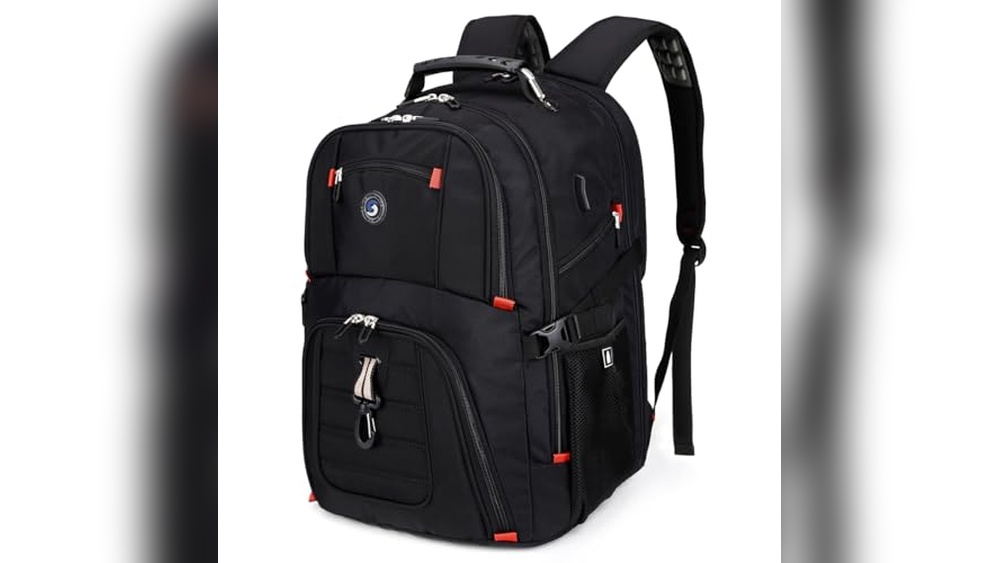
Are you struggling to attach backpack straps to your Patagonia Black Hole? You’re not alone.
Getting the straps right can make all the difference in comfort and usability. In this guide, you’ll learn simple, step-by-step tips to fix your straps quickly and securely. Whether you want to replace worn-out straps or customize your pack, this article will help you do it with ease.
Keep reading to make your Patagonia Black Hole backpack fit perfectly every time.
Tools Needed
Attaching backpack straps to a Patagonia Black Hole requires some basic tools. These tools make the process smooth and safe. Having them ready saves time and effort. Here is a list of essential tools you need for this task.
Needle And Thread
Choose a strong needle that can handle thick fabric. Use heavy-duty thread for better durability. This helps secure the straps firmly to the backpack.
Seam Ripper
A seam ripper helps remove old stitches cleanly. It prepares the area for new strap attachment. Use it carefully to avoid fabric damage.
Measuring Tape
Measure strap length and placement accurately. This ensures straps are even and comfortable to wear. Precise measurement avoids mistakes.
Scissors
Use sharp scissors to cut thread and fabric cleanly. This keeps the edges neat. Avoid fraying by cutting carefully.
Fabric Glue (optional)
Fabric glue adds extra hold before sewing. It keeps straps steady while stitching. Use a small amount for best results.
Locating Attachment Points
Locating attachment points on the Patagonia Black Hole backpack is the first step. These points help you connect the straps securely. Knowing where they are saves time and effort. It also ensures the backpack fits well and feels comfortable.
Patagonia designs the Black Hole backpack with clear, easy-to-find attachment points. They are made to hold straps firmly. These points are strong and built to last, perfect for different types of straps. Finding them is simple once you know what to look for.
Check The Top Handle Area
The top handle area of the backpack often has loops or rings. These loops are great for attaching shoulder straps. Look just below the handle for small but strong fabric loops. They hold the strap clips tightly without slipping.
Inspect The Side Compression Straps
Side compression straps come with buckles and loops. These loops act as good attachment points. They are near the sides of the backpack. Use these loops to connect extra straps or gear. They help balance the load when you carry the backpack.
Look Near The Bottom Of The Backpack
The bottom of the Black Hole backpack usually has extra loops or webbing. These are for gear attachments but also work for straps. Check for reinforced stitching around these points. They provide a strong base for strap attachments.
Preparing The Straps
Preparing the straps is an important step before attaching them to your Patagonia Black Hole backpack. Proper preparation ensures comfort and security. It helps avoid problems like slipping or discomfort during use.
Start by adjusting the straps to the right length. Then, check all buckles and clips for damage or stiffness. Taking time here makes the attachment process smoother and safer.
Adjusting Strap Length
Begin by loosening the straps fully. This gives you room to adjust without stress. Slide the strap through the buckle until it reaches the desired length. The straps should fit your body comfortably but stay snug. Test the length by wearing the backpack. Adjust again if the straps feel too tight or too loose.
Checking Buckles And Clips
Inspect each buckle carefully. Look for cracks, bends, or broken parts. Test the clips by opening and closing them several times. Make sure they lock firmly and release smoothly. Replace any damaged parts before attaching the straps. Secure buckles and clips keep the backpack safe during use.
Step-by-step Attachment
Attaching the backpack straps to your Patagonia Black Hole bag is easy. Follow this step-by-step guide to ensure the straps fit securely and comfortably. Proper attachment helps the bag carry weight well and last longer. Take your time to do it right.
Securing Bottom Straps
Start by finding the bottom strap loops on the bag. Slide the strap ends through these loops carefully. Pull the straps tight to remove any slack. Make sure the stitching on the straps lines up with the loops. Lock the strap buckle to hold it firmly in place. Check that the straps do not twist or bend.
Attaching Top Straps
Next, locate the top strap anchors near the bag’s opening. Insert the top strap ends into these anchors. Pull the straps until they feel snug but not too tight. Fasten the clips or buckles securely. Test the straps by gently pulling to confirm they hold. Adjust the length for comfort before moving on.
Ensuring Proper Alignment
Look at the straps from the front and back of the bag. Make sure both straps are even and straight. Adjust any uneven parts by loosening and retightening the buckles. Proper alignment prevents discomfort and uneven weight on your shoulders. Wear the backpack briefly to check the fit before packing it fully.
Testing Strap Stability
Testing strap stability is a key step after attaching backpack straps to your Patagonia Black Hole. It ensures that the straps are secure and will hold up during use. This step helps avoid accidents or damage to your backpack.
Proper testing gives you confidence. You can carry your gear safely without worrying about strap failure. Follow simple checks to confirm the straps are firmly attached and comfortable.
Check For Loose Stitching
Look closely at the points where the straps connect to the backpack. Make sure the stitching is tight and even. Loose threads or gaps can cause the straps to come undone. Gently pull on the straps to test the strength of the stitches.
Pull Test For Strength
Grab each strap and pull firmly. Hold the backpack steady with your other hand. The straps should not shift or tear. This test shows if the attachment points can handle weight and movement.
Wear And Walk
Put the backpack on and walk around. Adjust the straps to fit your body. Notice if the straps stay in place or feel loose. Walking simulates real use and reveals any weaknesses.
Inspect Buckles And Clips
Check all buckles and clips attached to the straps. Make sure they open and close smoothly. Confirm they lock securely without slipping. These parts keep your straps tight and stable.
Troubleshooting Common Issues
Attaching backpack straps to your Patagonia Black Hole can be tricky. Some common problems can slow you down. Knowing how to fix these issues helps you use your backpack comfortably and safely. This guide covers two frequent problems: loose straps and misaligned clips.
Loose Straps
Loose straps make the backpack unstable. They can cause discomfort and affect balance. To fix this, pull the strap ends firmly through the buckles. Check if the straps slide easily. If they do, the buckle may need cleaning. Dirt can block the buckle’s grip. Wipe the buckle with a damp cloth. After cleaning, adjust the strap again. Make sure it holds tight without slipping.
Misaligned Clips
Misaligned clips can stop the straps from attaching properly. This problem happens if the clip parts do not fit together well. Look closely at the clip teeth. They should face each other evenly. If not, press the clip parts gently to realign. Avoid bending them too hard. Test the clip by snapping it closed. It should lock securely without extra force. Replace the clip if it breaks or stays loose.
Maintaining Strap Condition
Maintaining the strap condition of your Patagonia Black Hole backpack helps extend its life. Clean and care for the straps regularly. This keeps them strong and comfortable for every use.
Check the straps for dirt and sweat after each trip. Wipe them with a damp cloth to remove grime. Avoid harsh chemicals that can weaken the fabric.
Store Straps Properly
Keep your backpack in a cool, dry place. Avoid folding or crushing the straps. Let them hang naturally to prevent creases and damage.
Inspect For Wear And Tear
Look closely at strap stitching and fabric edges. Repair small tears quickly. Replace straps if they become frayed or weak.
Use Strap Protectors
Strap protectors shield the fabric from abrasion. They reduce wear during heavy use. Consider adding them for extra durability.
Adjust Straps Gently
Move buckles and adjust straps carefully. Avoid pulling too hard to prevent stretching. Smooth adjustments keep straps in good shape.
Frequently Asked Questions
How Do I Attach Straps To Patagonia Black Hole?
To attach straps, align them with the designated loops on the bag. Thread the strap through the loops and secure the buckles firmly. Ensure the straps are tight and comfortable for better support and durability.
Can I Replace Damaged Backpack Straps On Patagonia Black Hole?
Yes, you can replace damaged straps. Purchase compatible replacement straps from Patagonia or authorized dealers. Follow the same attachment method as the original straps for proper fitting and secure fastening.
What Tools Are Needed To Attach Backpack Straps?
No special tools are required. Simply use your hands to thread and buckle the straps through the loops. Ensure the straps are snug and adjusted correctly for comfort and safety.
How Do I Adjust The Length Of Backpack Straps?
Pull the strap ends through the adjustment buckles to lengthen or shorten. Adjust until the backpack fits comfortably on your shoulders and back. Proper adjustment prevents strain and improves load distribution.
Conclusion
Attaching backpack straps to your Patagonia Black Hole is simple and quick. Follow the steps carefully for a secure fit. Check the straps regularly to keep your bag comfortable. A well-attached strap helps carry your load easily. Enjoy your adventures with a reliable backpack setup.
Small effort, big difference in your carrying experience. Stay prepared and travel with confidence every time.