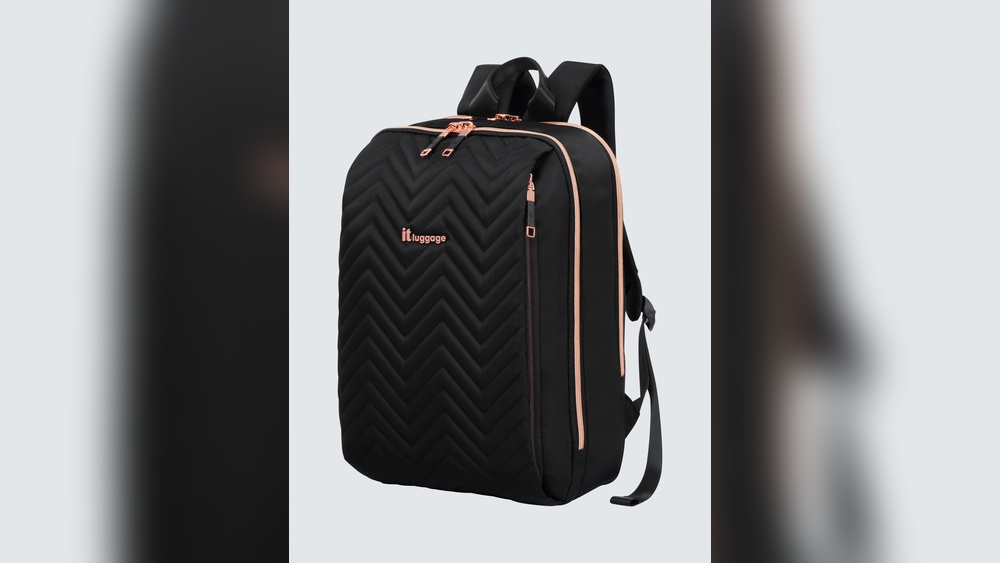
Have you noticed a musty smell or ugly spots on your favorite backpack? Mildew can sneak in when your bag stays damp or stored in a dark place.
If you ignore it, the mildew can damage your backpack and even affect your health. But don’t worry—you can easily get rid of mildew and restore your backpack to its fresh, clean state. Keep reading, and you’ll learn simple, effective steps to clean mildew off your backpack quickly and safely.
Your gear will look and smell like new again!
Spotting Mildew On Backpacks
Backpacks often hide mildew in places you do not expect. Spotting mildew early keeps your bag clean and safe. It also stops damage to the fabric and bad smells.
Knowing the signs and common areas of mildew helps you act fast. Keep your backpack fresh and ready for any trip.
Common Mildew Signs
Mildew looks like small spots in white, green, or gray. It may feel fuzzy or powdery on the surface. A musty or damp smell often comes with mildew. Sometimes, the fabric color fades or changes. Mildew spots can grow larger if left alone.
Areas Prone To Mildew
Look inside pockets and seams for hidden mildew. The bottom of the backpack traps moisture and dirt easily. Straps and back panels hold sweat and can develop mildew. Any damp or dark area on the bag is a risk zone. Check these spots often, especially after rain or sweat.
Gathering Cleaning Supplies
Cleaning mildew off a backpack starts with gathering the right supplies. Having the proper items makes the process safe and effective. Preparing ahead saves time and effort.
Choose cleaning products and tools that protect your backpack’s material. Avoid harsh chemicals that might cause damage or color fading. Select items that work well against mildew but are gentle enough for fabric.
Safe Cleaning Agents
Use mild detergents to clean mildew safely. Dish soap or gentle laundry detergent works well. White vinegar is a natural option that kills mildew. Avoid bleach; it can weaken fabric and cause stains. Baking soda helps remove odors and lift mildew spores.
Mix cleaning agents with water before use. This prevents damage and helps spread the solution evenly. Test any cleaner on a small, hidden area first. This step ensures no discoloration or harm to the backpack.
Tools And Accessories Needed
Gather soft brushes to scrub mildew without hurting fabric. A toothbrush works well for small areas and seams. Use clean cloths or sponges to apply cleaning solutions. Have a spray bottle ready for even application.
Use gloves to protect your hands from cleaning agents. Prepare a basin or bucket for soaking the backpack if needed. Have a well-ventilated space or outdoor area for drying. These tools make the cleaning process easier and safer.
Preparing The Backpack
Preparing your backpack for mildew cleaning is an important first step. It helps remove dirt and makes cleaning easier. Follow simple steps to get your backpack ready.
This preparation stops mildew from spreading and improves cleaning results.
Emptying And Inspecting
Take everything out of the backpack. Check all pockets and compartments carefully. Remove any trash, crumbs, or items left inside. This step prevents damage to belongings during cleaning.
Look closely at the fabric for mildew spots. Note where the mildew is strongest. Also check zippers, straps, and seams. These areas can hold hidden mildew. Knowing the spots helps focus your cleaning efforts.
Pre-treating Stubborn Spots
Use a mild cleaner or a mixture of water and vinegar. Dab the solution on the mildew spots. Let it sit for about 10 minutes. This softens the mildew and lifts dirt.
Gently rub the spots with a soft brush or cloth. Avoid scrubbing too hard to protect the fabric. Pre-treating helps remove tough mildew before washing the entire backpack.
Cleaning Methods
Cleaning mildew off a backpack requires careful methods to protect the fabric. Using the right cleaning method removes mildew effectively and keeps your backpack safe. Choose between hand washing or machine washing based on the material and care instructions.
Hand Washing Steps
Start by brushing off loose mildew outside. Use a soft brush to avoid damage. Fill a basin with warm water and mild detergent. Soak the backpack for 15-20 minutes. Gently scrub the mildew spots with a soft brush or cloth. Rinse thoroughly with clean water to remove soap. Air dry the backpack in a shaded area. Avoid direct sunlight to prevent color fading.
Machine Washing Tips
Check the care label before machine washing. Use a gentle cycle with cold water. Place the backpack in a laundry bag or pillowcase. Add a mild detergent without bleach. Skip fabric softeners and strong chemicals. After washing, remove the backpack promptly. Air dry it flat in a shaded place. Do not use the dryer to avoid damage.
Drying And Preventing Mildew
Drying and preventing mildew on your backpack is key to keeping it clean and fresh. Mildew grows in damp, dark places. Proper drying stops mildew from returning. Good storage keeps your backpack safe from moisture. Both steps work together to protect your gear.
Proper Drying Techniques
After cleaning, dry your backpack fully before use or storage. Hang it in a bright, airy spot. Avoid direct sunlight to protect colors and fabric. Open all zippers and pockets to let air flow inside. Use a fan if air is still. Never put a wet backpack in a closed space. A dry backpack discourages mildew growth.
Storage Tips To Avoid Mildew
Store your backpack in a cool, dry place. Avoid damp basements or closets. Use breathable bags or cloth covers for storage. Keep it off the floor to reduce moisture contact. Check your backpack regularly for damp spots. Let it air out if it feels musty. Proper storage keeps mildew away and extends your backpack’s life.
Dealing With Persistent Mildew
Persistent mildew stains on a backpack can be tough to remove with regular cleaning. These stubborn spots need special care to protect the fabric and keep the bag safe to use. Treating persistent mildew quickly stops the spread and prevents damage to your backpack. There are specific methods and products designed for tough mildew problems.
Using Specialized Cleaners
Specialized cleaners target mildew deep in the fabric. Look for products made to kill mold and mildew safely. Apply the cleaner according to the instructions on the label. Let it sit for the recommended time to break down mildew spores. Use a soft brush or cloth to scrub gently. Rinse the backpack well with clean water afterward. This method often removes tough mildew without harming the material.
When To Seek Professional Help
Sometimes mildew is too deep or widespread to clean alone. Professional cleaners have tools and chemicals for severe mildew stains. They can treat delicate or expensive backpacks with care. If the mildew smell or stains remain after your best efforts, it is time to contact experts. Quick professional help can save your backpack from permanent damage.
Frequently Asked Questions
How Do I Remove Mildew From My Backpack Safely?
To remove mildew safely, use a mild detergent and warm water. Gently scrub the affected area with a soft brush. Rinse thoroughly and air dry in sunlight to prevent mildew regrowth. Avoid harsh chemicals that can damage fabric or colors.
Can Vinegar Help Clean Mildew Off Backpacks?
Yes, white vinegar is effective against mildew. Mix equal parts vinegar and water, spray on the mildew, and let it sit for 15 minutes. Then, scrub gently and rinse. Vinegar kills mildew spores and deodorizes without harsh chemicals.
What Is The Best Way To Dry A Backpack After Cleaning?
Air drying is best to prevent mildew. Hang the backpack in a well-ventilated, sunny area. Avoid using heat sources like dryers, which can damage fabric. Make sure it’s completely dry before storing to stop mildew from returning.
How Often Should I Clean My Backpack To Prevent Mildew?
Clean your backpack every few weeks if used frequently, especially in damp conditions. Regular cleaning removes dirt and moisture, reducing mildew risk. Also, store it dry and ventilated to keep mildew at bay.
Conclusion
Cleaning mildew off your backpack is simple with the right steps. Use mild soap and water, scrub gently, and let it dry fully. Regular cleaning helps keep your backpack fresh and safe to use. Avoid storing your backpack in damp places to stop mildew from coming back.
Taking care of your backpack this way saves money and keeps your gear ready for every trip. Small actions make a big difference in keeping your backpack clean.