Choosing the right backpack size can make all the difference in your comfort and convenience. Have you ever packed too much or struggled with a bag that’s just too small?
You’re not alone. Finding the perfect backpack means balancing what you need to carry with how you want to move. You’ll discover simple tips to help you pick the ideal backpack size for your trips, daily use, or adventures. Keep reading, and you’ll never second-guess your backpack choice again.
Credit: alpkit.com
Choosing Backpack Size
Choosing the right backpack size is key for comfort and convenience. The size affects how much you can carry and how the weight feels on your back. A backpack too big or small can cause discomfort and make your trip harder. Understanding what size suits your needs helps you pack smart and travel light.
Factors Influencing Size
Think about how long you will carry the backpack. For day trips, a small pack of 15 to 25 liters is enough. Longer trips need bigger backpacks, from 40 to 70 liters, to hold more gear. Your body size also matters. A backpack should fit your torso length and waist to avoid strain. The type of items you pack affects size too. Bulky items need more space, while light items require less.
Types Of Backpacks
Daypacks are small and light, perfect for short hikes or city use. Hiking backpacks are larger and have extra straps for comfort and support. Travel backpacks offer more compartments and space for clothes and essentials. Each type has different size ranges, so choose one that fits your activity and packing list. Pick the right type to match your needs and avoid overpacking.

Credit: southeastasiabackpacker.com
Daily Use Backpacks
Daily use backpacks are perfect for carrying essentials every day. They fit small items like laptops, books, and lunch. These backpacks keep your things organized and easy to reach. Choosing the right size helps avoid carrying too much or too little.
Ideal Sizes For Commuting
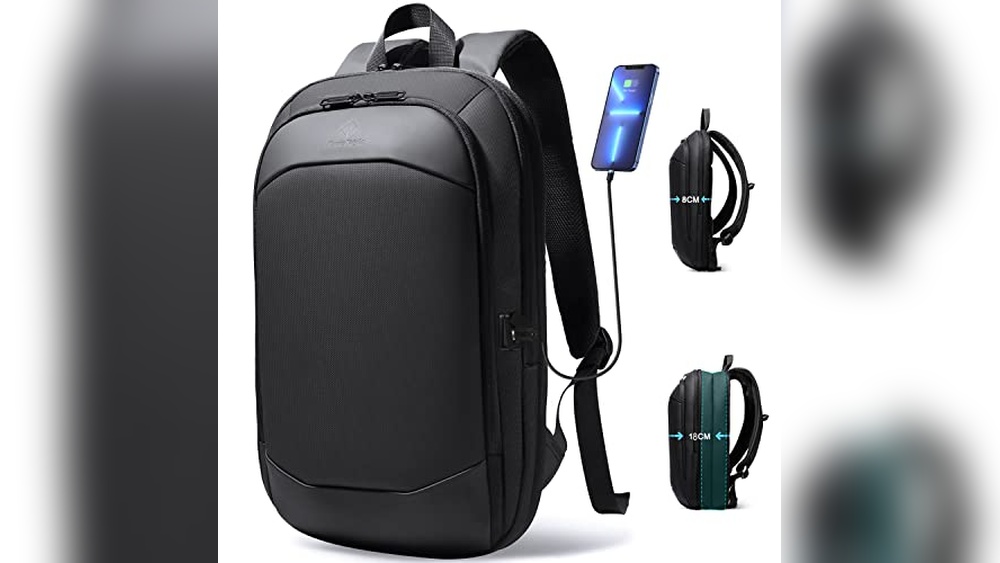
A daily use backpack usually holds 15 to 25 liters. This size fits a laptop, charger, notebook, and a water bottle. It is not too big or heavy for daily travel. Small backpacks under 15 liters are good for light loads. Larger backpacks over 25 liters suit those who carry extra gear.
Features To Consider
Look for padded straps for comfort during long wear. Multiple compartments help organize gadgets and papers. A laptop sleeve protects your device from bumps. Water-resistant material keeps your belongings dry. Reflective details increase safety when walking at night.
Travel Backpacks
Travel backpacks are essential for any journey. They carry your clothes, gear, and essentials. Choosing the right size makes travel easier and more comfortable. The size depends on how long you will travel and what you need to pack.
Different trips require different backpack sizes. Packing smart saves space and weight. Let’s explore the best sizes for short and long trips, and share useful packing tips.
Short Trip Sizes
For trips of 1 to 3 days, a backpack of 20 to 35 liters works well. It holds enough clothes and small items. A smaller backpack is lighter and easy to carry. It fits in overhead airplane compartments. Ideal for quick weekend trips or business travel.
Long Trip Sizes
Trips longer than a week need bigger backpacks. Sizes from 40 to 70 liters can hold more clothes and gear. They offer extra space for shoes, toiletries, and gadgets. Choose backpacks with good support and straps. This helps carry heavy loads comfortably for longer times.
Packing Tips
Pack only what you need. Roll clothes to save space and reduce wrinkles. Use packing cubes to organize items neatly. Place heavy items close to your back for balance. Keep essentials in easy-to-reach pockets. Avoid overpacking to stay light and mobile.
Hiking And Outdoor Backpacks
Choosing the right backpack for hiking or outdoor activities is very important. The size of the backpack affects how much you can carry and how comfortable you feel. Hiking backpacks come in different sizes and styles. Each type serves a different purpose based on your trip length and needs.
Understanding the differences helps you pick the right backpack. It makes your outdoor experience easier and more enjoyable. Let’s explore the main types and their capacities to find the best fit for your adventure.
Daypacks Vs Multi-day Packs
Daypacks are small backpacks made for short trips. They usually hold 15 to 30 liters. These packs fit your daily essentials like water, snacks, a jacket, and first aid. They are light and easy to carry on hikes lasting a few hours or a single day.
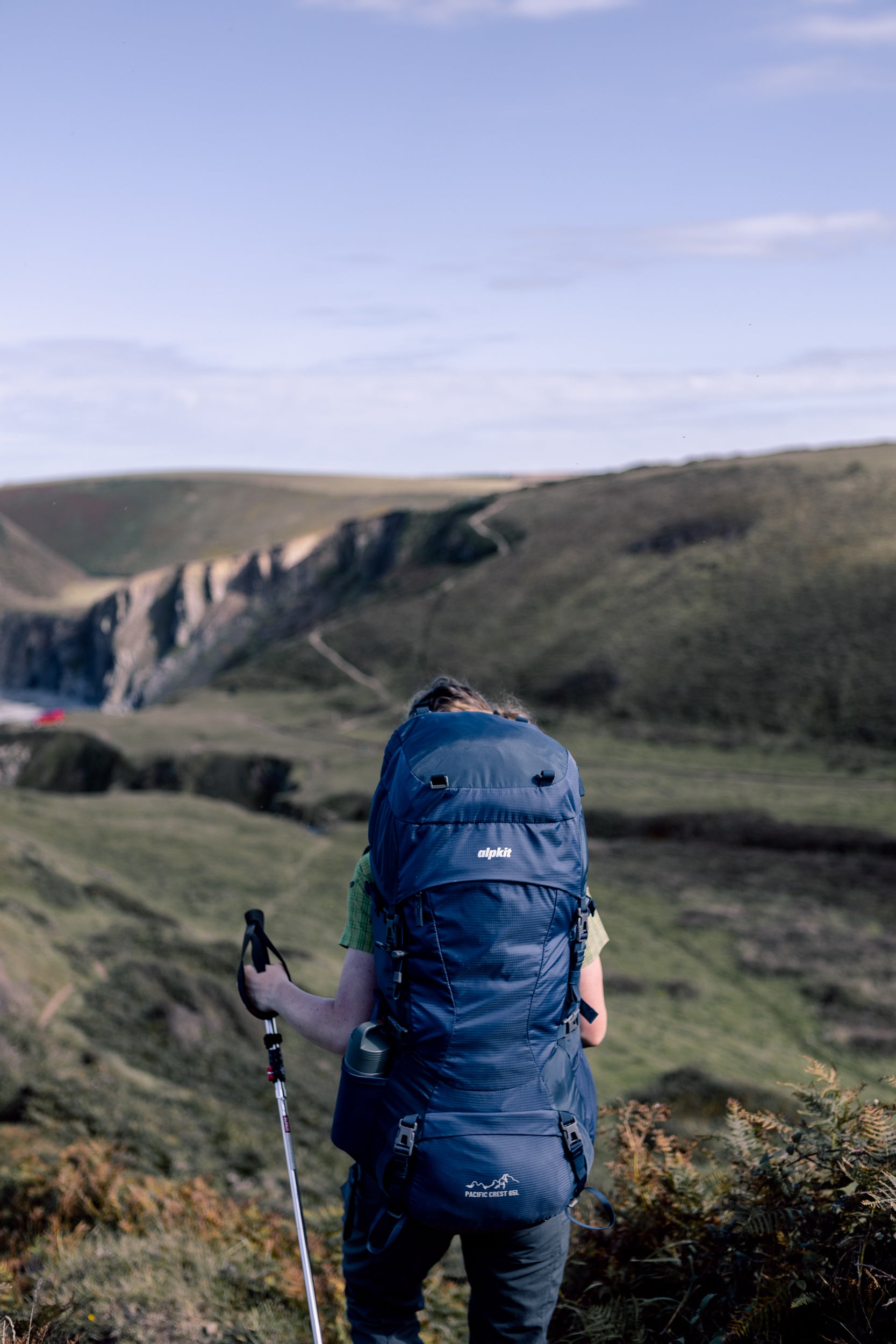
Multi-day packs are bigger and designed for longer trips. Their capacity ranges from 40 to 70 liters or more. These backpacks carry sleeping bags, tents, cooking gear, and extra clothes. They have more compartments and stronger support to handle heavy loads.
Capacity Based On Trip Length
Choose your backpack size based on how many days you will hike. For day trips, a 15 to 30-liter pack is enough. You can carry your basics without feeling heavy or bulky.
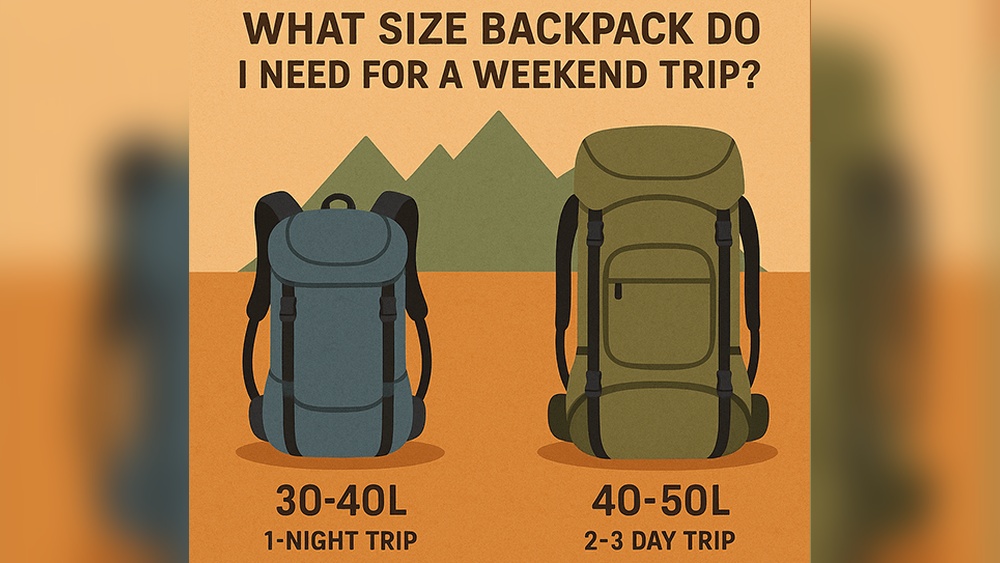
For overnight or weekend trips, pick a pack between 30 and 50 liters. It holds extra clothes and camping gear comfortably. If your trip lasts several days, go for 50 to 70 liters or larger. These packs have space for all your supplies and food.
Always think about the weight you can carry. A bigger pack is not better if it feels too heavy. Packing smart is as important as the pack size. Choose the backpack that fits your trip and body well.
Backpack Capacity Explained
Choosing the right backpack size starts with understanding capacity. Backpack capacity shows how much space is inside. It helps you pick the right pack for your trip. Knowing this makes packing easier and more organized.
Backpacks come in many sizes. Each size fits different needs. Let’s break down what capacity means and how to measure your gear.
Liters And Volume
Backpack capacity is measured in liters. Liters show the total volume inside the bag. The bigger the number, the more you can carry. Small backpacks hold about 10 to 20 liters. Medium ones range from 30 to 50 liters. Large backpacks are 60 liters or more. Think about what you need to carry before choosing a size.
How To Measure Your Gear
Start by gathering your essential items. Lay them out to see their size and shape. Try packing them in a small bag. Check if everything fits without squishing. Add a little extra space for comfort. This helps find a backpack that fits your load well. Always leave room for snacks, water, or extra clothes.
Fitting Your Backpack
Fitting your backpack right is key for comfort and safety. A well-fitted pack stops pain and fatigue. It helps you carry your gear easier. Take time to adjust your backpack before any trip. A good fit makes every step smoother.
Adjusting Straps And Suspension
Start by loosening all straps. Put the backpack on and stand straight. Tighten the shoulder straps until the pack feels snug. The pack should sit close to your back but not squeeze. Adjust the hip belt so it rests on your hips. This moves weight off your shoulders. Use the load lifters to pull the top of the pack closer to your body. The suspension system should match your torso length. A good suspension keeps the pack balanced and stable.
Weight Distribution
Place heavy items near your back and center. This keeps the load balanced and prevents strain. Lighter gear goes toward the outside and top. Avoid putting all weight on one side. Distribute gear evenly to stay steady. Proper weight spread helps you walk longer without pain. It also improves your posture during hikes.
Specialized Backpacks
Specialized backpacks serve unique needs beyond general use. They offer specific features and sizes. Choosing the right one improves comfort and protects your gear.
Each type is designed for a particular purpose, helping you carry items safely and efficiently. Size matters in these backpacks because it matches the gear you carry.
Laptop And Workpacks
Laptop backpacks are perfect for daily work or school. They have padded compartments to protect your laptop. These packs often include extra pockets for chargers, notebooks, and pens. Sizes usually range from 15 to 30 liters. Choose a size based on your laptop and daily items. A smaller pack fits just essentials, while a larger pack holds extra gear.
Camera Backpacks
Camera backpacks keep your equipment safe and organized. They have custom compartments for cameras, lenses, and accessories. Padding protects fragile gear from bumps. Sizes vary from 10 to 40 liters depending on camera size and extra gear. Pick a size that fits your camera and any lenses or tripods you carry. A well-fitted backpack makes photography trips easier.
Kids’ Backpacks
Kids’ backpacks are smaller and lighter. They usually range from 8 to 15 liters. Designed to fit a child’s frame, they reduce strain on young backs. These backpacks have simple compartments for school supplies and snacks. Bright colors and fun designs make them appealing. The size depends on the child’s age and what they need to carry daily.
Common Mistakes In Choosing Size
Choosing the right backpack size can be tricky. Many make common mistakes that cause problems during trips. Picking the wrong size can lead to discomfort and wasted space. Understanding these mistakes helps you avoid hassle and enjoy your journey.
Overpacking Issues
Overpacking is a frequent error. People buy big backpacks thinking they will need all the space. This leads to carrying unnecessary weight. Heavy backpacks cause back pain and slow you down. Overpacking also makes it hard to stay organized. It is better to pack light and smart.
Underestimating Space Needs
Many choose backpacks too small for their trip. They forget to count all essential items. A small bag may not fit everything needed. This causes stress and last-minute adjustments. Running out of space forces you to leave important gear behind. Always check your list carefully before deciding on size.
Tips For Buying Backpacks
Choosing the right backpack size is important. A good backpack fits your needs and feels comfortable. Buying the perfect backpack needs some thought. Here are useful tips to help you pick the best one.
These tips focus on what to check before buying. They help you avoid common mistakes. Also, they make sure you get a backpack that lasts and suits your style.
Trying Before Buying
Always try the backpack on before buying it. Wear it with the weight you plan to carry. Check if the straps feel good on your shoulders. Walk around to see if it stays in place. See if the backpack feels balanced and not too heavy. This helps avoid discomfort and pain later.
Budget Vs Quality
Set a budget but focus on quality too. Cheap backpacks may break fast or feel bad. Good quality backpacks last longer and protect your stuff. Look for strong zippers and sturdy material. A little more money spent can save you later. Think about what you need and choose smartly.

Credit: www.acquetech.com
Frequently Asked Questions
How To Choose The Right Backpack Size?
Choose a backpack size based on trip length and gear needs. Daypacks (15-30L) fit daily essentials. Overnight packs (30-50L) hold extra clothes and gear. Larger packs (50L+) suit multi-day trips or heavy gear. Always consider comfort and weight distribution.
What Backpack Size For A One-day Hike?
For a one-day hike, a 15 to 30-liter backpack is ideal. It fits water, snacks, a first aid kit, and extra layers. This size ensures comfort and avoids unnecessary bulk, helping maintain balance and ease during your hike.
How Many Liters For A Weekend Backpack Trip?
A 30 to 50-liter backpack suits a weekend trip. It provides enough space for clothes, food, and sleeping gear. This size balances capacity with comfort, avoiding excess weight while carrying essentials for 2-3 days.
Can I Use A Large Backpack For Short Trips?
Yes, but large backpacks can be bulky for short trips. They may cause discomfort and encourage overpacking. For short trips, smaller packs improve mobility and comfort. Choose size based on trip duration and gear to avoid unnecessary weight.
Conclusion
Choosing the right backpack size depends on your trip length and what you carry. Small backpacks suit day trips or light packing. Larger backpacks work best for longer journeys or heavy gear. Think about comfort and weight too. A well-sized backpack helps you travel easier and enjoy more.
Take time to pick one that fits your needs well. Your back will thank you on every adventure.