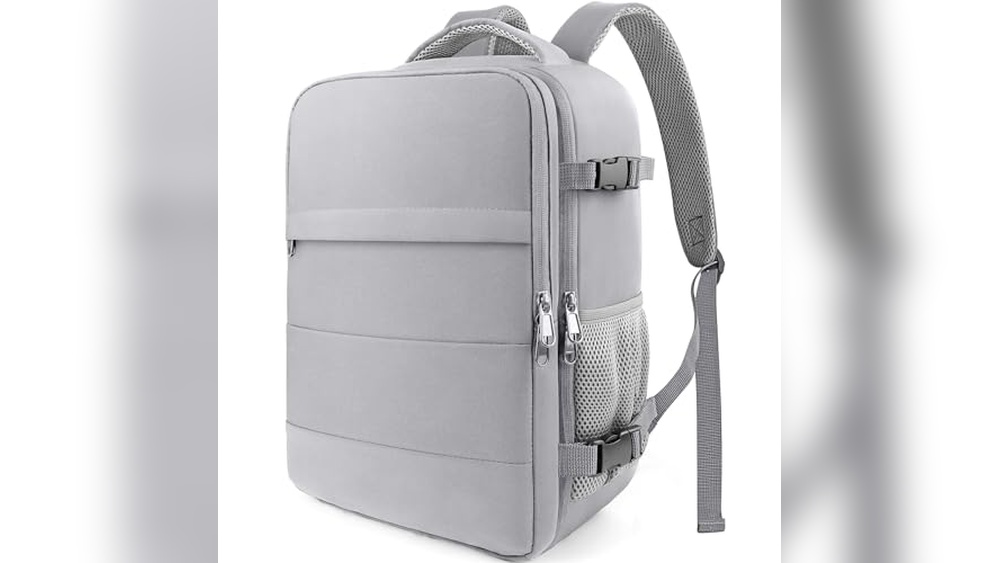
If you own a Patagonia Black Hole Duffel, you know how versatile and durable it is. But did you know you can easily turn it into a backpack by attaching straps?
This simple upgrade makes carrying your gear much more comfortable, especially when you’re on the move. In this guide, you’ll learn exactly how to attach backpack straps to your duffel, step by step. By the end, you’ll be ready to carry your bag hands-free and enjoy more freedom on your adventures.
Keep reading to find out how!
Required Tools And Materials
Attaching backpack straps to your Patagonia Black Hole Duffel needs some specific tools and materials. Preparing these items first makes the process smooth and easy. It also helps to get strong, lasting results. Below are the main tools and materials to gather before starting.
Backpack Straps Compatible With Black Hole Duffel
Choose straps designed for the Black Hole Duffel. Look for straps with sturdy webbing. Padded straps add comfort when carrying heavy loads. Check that the straps have strong stitching and good attachment points. Using the right straps ensures a secure fit and better support.
Necessary Sewing Supplies
You need a heavy-duty needle for thick fabric and webbing. Use strong polyester or nylon thread to hold seams tightly. A thimble can protect your finger while sewing tough material. Have sharp scissors ready to cut the fabric and thread cleanly. A seam ripper helps fix any mistakes quickly. These basic sewing supplies help you attach the straps firmly.
Optional Attachment Accessories
Consider metal or plastic D-rings for extra strap adjustment. Snap hooks or carabiners can make straps removable. Velcro strips offer quick fastening options. Webbing sliders adjust strap length easily. These accessories add flexibility and convenience to your duffel setup. Use them if you want more strap options or easier handling.
Preparing The Duffel For Strap Attachment
Preparing your Patagonia Black Hole Duffel for strap attachment is an important step. It ensures a secure and comfortable fit. Taking time to clean, inspect, and mark the right spots will save you trouble later. Follow these simple steps to get your duffel ready.
Cleaning And Inspecting The Duffel
Start by cleaning your duffel to remove dirt and dust. Use a soft cloth and mild soap with water. Dry it completely before moving on. Check the fabric for any tears or weak spots. Look at zippers and seams for damage. Fix any issues before attaching the straps.
Locating Attachment Points
Find the built-in loops or D-rings on your duffel. These are made for strap attachment. Check both ends and sides of the bag. Make sure the points are strong and not loose. Use these spots to keep your straps secure and stable.
Marking Strap Positions
Use a pencil or fabric chalk to mark where straps will go. Measure to keep straps even on both sides. Mark spots near the attachment points you found. This helps to avoid mistakes during attachment. Clear marks make the process faster and neater.
Attaching The Straps Step-by-step
Attaching straps to your Patagonia Black Hole Duffel enhances its carry options. This step-by-step guide helps you secure the straps firmly and correctly. Follow these simple instructions to ensure comfort and durability. Each step focuses on key points to make the process smooth and effective.
Aligning The Straps Properly
Place the duffel on a flat surface. Lay the straps beside the bag. Match the ends of the straps with the designated attachment points. Make sure both straps are straight and not twisted. Check that the strap lengths are even on both sides. Proper alignment prevents discomfort and wear during use.
Sewing Techniques For Durability
Use strong nylon thread for sewing. Double stitch around the strap ends for extra strength. Sew slowly to keep stitches neat and tight. Reinforce stress points with extra stitches. Avoid loose threads to prevent unraveling. Durable sewing keeps straps secure under heavy loads.
Securing With Buckles Or Clips
Attach buckles or clips to the strap ends next. Slide the strap through the buckle and adjust the length. Lock the buckle firmly to avoid slipping. Test the clips by pulling gently on the straps. Secure buckles and clips ensure easy carrying and quick release.
Testing The Strap Attachment
After attaching the backpack straps to your Patagonia Black Hole Duffel, testing the connection is important. This step ensures the straps hold well and feel comfortable. Proper testing helps avoid problems during your trip. It also confirms the bag stays secure on your back.
Checking For Strength And Stability
Start by pulling the straps firmly to check their strength. Tug each strap several times to see if it stays tight. Watch for any signs of looseness or slipping. Press on the attachment points to test stability. The straps should not move or detach easily. Strong and stable straps keep your duffel safe and balanced.
Adjusting Strap Length And Fit
Next, adjust the strap length to fit your body well. Shorten or lengthen the straps for comfort. Make sure the duffel sits close to your back without hanging low. Check how the bag feels when you walk or move. The straps should not dig into your shoulders. Proper fit reduces strain and improves carrying ease.
Maintaining And Caring For Attached Straps
Keeping your Patagonia Black Hole Duffel’s straps in good shape helps the bag last longer. Regular care stops damage and keeps the straps strong. Simple steps can protect your investment and make every trip easier.
Pay attention to dirt, small tears, and how you store the bag. Clean straps look better and work well. Fixing small problems early avoids bigger repairs. Proper storage keeps the straps from bending or weakening.
Cleaning Tips
Use a soft brush to remove dirt from straps. Wipe them gently with a damp cloth and mild soap. Avoid harsh chemicals or bleach. Let straps air dry fully before use or storage. Clean straps stay flexible and comfortable.
Repairing Wear And Tear
Check straps for loose threads or small tears often. Sew loose threads back with strong thread or use fabric glue. For bigger damage, take the bag to a professional repair shop. Quick repairs stop damage from growing. Strong straps keep your bag secure.
Storage Recommendations
Store the duffel in a cool, dry place away from sunlight. Avoid folding or crushing the straps. Hang the bag or lay it flat to keep strap shape. Proper storage prevents cracks and material breakdown. Ready-to-use straps make packing easier next time.
Frequently Asked Questions
How Do I Attach Backpack Straps To Patagonia Black Hole Duffel?
To attach backpack straps, align the strap buckles with the duffel’s attachment points. Securely clip or thread the straps through designated loops. Ensure straps are tight and properly fastened for comfort and safety during use.
Can I Convert My Patagonia Black Hole Duffel Into A Backpack?
Yes, the duffel includes convertible backpack straps. Attach the straps to the designated loops on the back. Adjust the straps for a comfortable fit, transforming the duffel into a convenient backpack.
Are Special Tools Needed To Attach The Straps?
No special tools are required. The straps use clips and loops for easy attachment. Simply thread or clip them into place by hand. This design allows quick conversion without additional equipment.
How Do I Adjust The Backpack Straps For Comfort?
Use the adjustable buckles on the straps to lengthen or shorten them. Ensure the duffel sits comfortably on your back without digging into shoulders. Adjust both straps evenly for balanced weight distribution.
Conclusion
Attaching backpack straps to your Patagonia Black Hole Duffel is simple and useful. It makes carrying the bag easier and frees your hands. Follow the steps carefully to secure the straps well. Check the straps for comfort before long trips.
This small change improves your travel or outdoor experience. Enjoy using your duffel with new straps ready for any adventure. Keep your gear close and move with ease every time you pack.