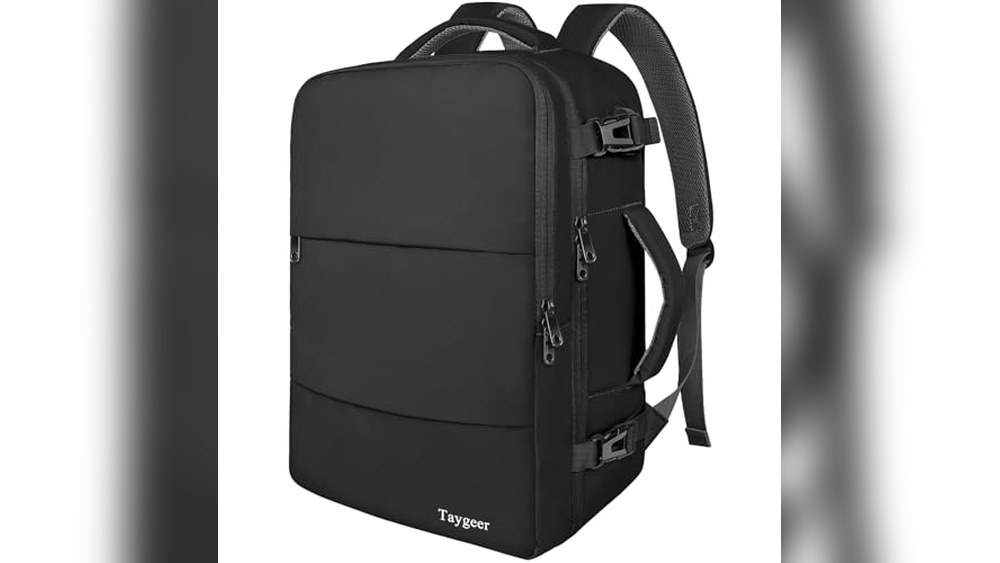
Mold in your backpack isn’t just unpleasant—it can damage your bag and affect your health. If you’ve noticed that musty smell or spotted fuzzy patches inside your backpack, it’s time to act fast.
You might be wondering how to get rid of mold without ruining your favorite bag. In this guide, you’ll discover simple, effective steps to clean mold out of your backpack and keep it fresh and safe for your next adventure.
Keep reading—you’ll be surprised how easy it is to bring your backpack back to life.
Identify Mold Spots
Identifying mold spots on a backpack is the first step to cleaning it effectively. Mold can hide in many places and look different depending on the type. Careful inspection helps find all mold patches early before they spread further.
Check every part of the backpack, including hidden areas. Mold often grows in damp, dark spots that are hard to see. Knowing the types of mold can help you recognize them faster and treat them safely.
Check All Backpack Areas
Look closely at the inside and outside surfaces of your backpack. Open all pockets and compartments. Check seams, zippers, and straps where moisture can stay trapped. Don’t forget the bottom and inside lining. Use a bright light to spot small mold spots. Smell the backpack for musty odors, which often indicate mold.
Recognize Mold Types
Mold can appear in different colors, such as black, white, green, or gray. Black mold is common and can be harmful. White mold looks fuzzy and powdery. Green mold may look like stains or spots. Each type needs careful cleaning to avoid damage. Knowing the type helps you choose the right cleaning method and protect your health.
Gather Cleaning Supplies
Before cleaning mold from your backpack, prepare all cleaning supplies. Having the right tools makes the process easier and safer. Gather everything in one place to avoid interruptions. This saves time and ensures you clean thoroughly. Focus on both cleaning materials and safety gear to protect yourself.
Essential Cleaning Materials
Start with a soft brush to remove loose mold spores. Use mild detergent or soap to avoid damaging fabric. White vinegar or a mold cleaner helps kill mold effectively. Have a spray bottle for easy application of cleaning solutions. Clean cloths or sponges are useful for scrubbing and wiping. Warm water helps dissolve dirt and mold residue. A bucket or basin holds water for soaking parts of the backpack.
Safety Gear To Use
Wear gloves to protect your hands from mold and cleaning chemicals. Use a face mask to avoid breathing mold spores. Safety goggles keep your eyes safe from splashes. Work in a well-ventilated area to reduce inhaling harmful particles. Old clothes or an apron prevent damage to your clothing. Proper safety gear keeps you safe during the cleaning process.
Prepare The Backpack
Preparing your backpack is the first step to clean mold effectively. This step helps avoid spreading mold spores and makes cleaning easier. Follow simple actions before you start washing.
Empty All Contents
Take everything out of your backpack. Check all pockets and compartments. Remove any items like books, clothes, or electronics. This stops damage to your things. It also gives clear access to all backpack surfaces.
Remove Loose Dirt And Debris
Brush off dirt and loose particles gently. Use a soft brush or cloth. Pay attention to corners and seams. Removing dirt helps the mold cleaner work better. It also prevents dirt from scratching the fabric.
Choose Cleaning Method
Choosing the right cleaning method is key to removing mold from your backpack. It depends on the backpack’s material and how dirty it is. Some backpacks need gentle hand washing. Others can handle a machine wash. Picking the best method protects your bag and clears the mold effectively.
Hand Washing Techniques
Hand washing is gentle and good for delicate backpacks. Start by brushing off loose mold outside. Use warm water with mild soap or detergent. Dip a soft brush or cloth in the soapy water. Gently scrub the moldy areas. Avoid soaking the backpack completely. Rinse with clean water carefully. Let the backpack air dry in sunlight for better mold removal.
Machine Washing Tips
Machine washing suits sturdy backpacks with strong fabrics. Check the label for washing instructions first. Use a gentle cycle with cold water. Add a small amount of mild detergent. Remove any metal parts or straps if possible. Place the backpack inside a pillowcase or laundry bag. This protects it during the wash. After washing, air dry the backpack outdoors. Avoid using a dryer to stop damage.
Apply Cleaning Solutions
Applying the right cleaning solution is key to removing mold from a backpack. The solution breaks down mold and stops it from returning. Choosing the right type depends on your preference and the backpack’s material. Below are easy options that work well for cleaning mold safely and effectively.
Natural Remedies For Mold
Natural remedies use common household items to fight mold. White vinegar is a strong option. Spray it on the moldy spots and let it sit for an hour. Then, scrub gently with a soft brush. Baking soda also helps. Mix it with water to form a paste. Apply the paste, wait 15 minutes, then scrub and rinse. These methods are gentle and safe for most fabrics. Plus, they do not use harsh chemicals.
Commercial Cleaners Options
Commercial cleaners offer powerful solutions designed for mold removal. Look for products labeled mold and mildew remover. Use them as the instructions say. Test on a small area first to avoid damage. These cleaners often contain ingredients that kill mold quickly. They work best on tough or old mold stains. Always wear gloves and work in a well-ventilated space. This keeps you safe from strong fumes.
Scrub And Rinse Thoroughly
Scrubbing and rinsing your backpack carefully removes mold and stops it from coming back. This step clears dirt and mold spores hiding deep in the fabric. A good scrub loosens mold, while thorough rinsing washes it away completely. Both parts are key to clean, fresh gear.
Effective Scrubbing Tools
Choose a soft brush or sponge for scrubbing. Hard brushes can damage the fabric. Use a toothbrush for small corners and seams. A gentle scrub loosens mold without hurting the backpack. Avoid rough tools that wear out your backpack’s material.
Proper Rinsing Steps
Rinse your backpack with clean, cold water. Cold water stops mold from spreading. Use a hose or sink to wash off soap and mold. Make sure no soap stays behind. Leftover soap can attract dirt and cause more mold. Rinse until water runs clear and clean.
Dry The Backpack Properly
Drying your backpack properly is key to stopping mold from coming back. Mold grows in damp places. Wet backpacks give mold a perfect home. Dry the bag completely after cleaning to keep it fresh and safe.
Air Drying Tips
Find a spot with good air flow. Hang the backpack upside down. Open all pockets and zippers. Let the air reach every part. Sunlight helps kill mold spores. But do not leave the bag too long in direct sun. It can damage the fabric.
Avoiding Moisture Traps
Check for wet spots inside the bag. Use a dry cloth to wipe out water. Avoid closing the backpack while it is still damp. Keep it open until fully dry. Store the backpack in a dry place. Avoid plastic bags that trap moisture. Dryness stops mold growth fast.
Prevent Future Mold Growth
Stopping mold from coming back is key to keeping your backpack clean and safe. Mold grows fast in dark, damp places. You must keep your backpack dry and aired out. Small habits can make a big difference. Follow simple steps to prevent mold growth.
Storage Best Practices
Store your backpack in a cool, dry place. Avoid damp basements or closets. Hang it up or lay it flat. Do not stuff it into tight spaces. Let air flow around the bag. Use a breathable bag cover if needed. Keep the backpack away from direct sunlight. Sunlight helps kill mold spores. A dry spot stops mold before it starts.
Regular Maintenance Habits
Check your backpack often for moisture or dirt. Wipe it down after use, especially if wet. Open all compartments to air them out. Wash the backpack regularly with mild soap. Dry it completely before storing. Use a small fan to speed up drying if needed. Keep zippers and seams clean and dry. Small care steps prevent mold and bad smells.
Frequently Asked Questions
How Do I Remove Mold From A Backpack Safely?
To remove mold safely, first brush off loose mold outdoors. Use a mixture of water and mild detergent to scrub. Rinse well and dry completely in sunlight to prevent mold return.
What Household Items Clean Mold On Backpacks Effectively?
White vinegar, baking soda, and mild detergent work well. Vinegar kills mold spores, baking soda deodorizes, and detergent cleans fabric. Always test on a small area first.
Can Mold Damage My Backpack Permanently?
Yes, mold can weaken fabric fibers and cause stains. Early cleaning prevents permanent damage and extends your backpack’s life. Always dry thoroughly after cleaning.
How To Prevent Mold Growth In Backpacks?
Keep your backpack dry and store in a ventilated place. Avoid packing damp items. Regularly clean and air out your backpack to stop mold growth.
Conclusion
Cleaning mold out of a backpack keeps it fresh and safe to use. Act quickly to stop mold from spreading. Use gentle cleaners and dry the backpack well. Regular checks help catch mold early. Taking care of your backpack helps it last longer.
Keep your backpack mold-free for a healthier outdoor experience. Simple steps make a big difference. Your backpack will thank you.