
Choosing the right backpack isn’t just about style—it’s about comfort and fit. If your backpack is too big or too small, it can cause discomfort and even back pain.
But how do you know what size is right for you? Knowing how to measure for a backpack is the key to finding one that feels like it was made just for you. In this guide, you’ll learn simple, step-by-step tips to measure yourself accurately.
By the end, you’ll feel confident picking the perfect backpack that supports your body and your lifestyle. Keep reading to discover how a few easy measurements can change the way you carry your gear forever.

Credit: lundhags.com
Backpack Fit Basics
Choosing the right backpack means finding the best fit for your body. A well-fitted backpack feels comfortable and keeps your items secure. It helps you avoid pain and strain during use. Knowing the basics of backpack fit makes shopping easier and more effective.
Focus on fit before style or size. This ensures the pack suits your shape and size. Proper fit helps with balance and support. It makes carrying loads simpler and safer.
Why Fit Matters
A backpack that fits well protects your back and shoulders. It spreads weight evenly to prevent soreness. Poor fit can cause pain, fatigue, and injury. Good fit improves posture and comfort. It helps you move freely without distractions.
Key Measurement Areas
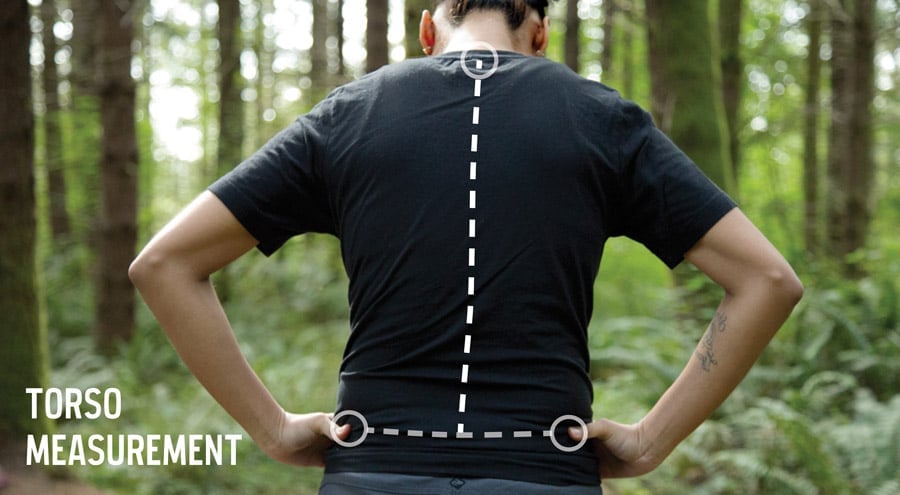
Start by measuring your torso length. This is the distance from your neck base to your waist. Next, check your hip size around the widest part. Hip measurement helps adjust the hip belt properly. Also, measure your shoulder width for strap fit. These key areas guide you to the right backpack size.
Measuring Your Torso Length
Measuring your torso length is key for choosing the right backpack size. A good fit helps carry weight comfortably. It also avoids back pain and strain. Knowing your torso length lets you pick a pack that sits well on your body. This section explains how to measure your torso length correctly.
Finding Your C7 Vertebra
The C7 vertebra is the large bump at the base of your neck. Tilt your head forward. Feel the back of your neck with your fingers. The first big bump you feel is the C7 vertebra. Mark this spot with a washable pen or remember it.
Locating Your Iliac Crest
The iliac crest is the top edge of your hip bone. Place your hands on your waist. Slide your fingers down until you feel the top of your hips. This is the iliac crest. It marks the bottom point for measuring your torso length.
Using A Measuring Tape
Stand straight and relax your shoulders. Place one end of a measuring tape at the C7 vertebra. Run the tape down your back to the iliac crest. Read the number where the tape meets the iliac crest. This number is your torso length.
Determining Hip Size
Determining your hip size is key for choosing the right backpack. A proper hip fit helps spread the weight evenly. It makes carrying heavy loads easier and more comfortable. Knowing how to measure your hips ensures a better backpack fit.
Identifying Hip Bones
First, find your hip bones. They sit at your waist sides, just above your hips. Place your hands on your waist. Move your fingers downward until you feel the hard bones. These are your hip bones. Mark this spot to measure correctly.
Measuring Hip Circumference
Wrap a soft tape measure around your hips. Position it at the level of your hip bones. Keep the tape snug but not tight. Stand straight and breathe normally while measuring. Note the number where the tape meets. This is your hip circumference. Use this number to pick the right hip belt size on your backpack.

Credit: hyperlitemountaingear.com
Assessing Shoulder Width
Assessing shoulder width helps find a backpack that fits well and feels comfortable. A proper fit reduces strain and keeps your backpack secure. It also helps balance the weight evenly on your body.
Measuring shoulder width is a simple step. It guides you to choose the right strap size and placement. This way, the backpack stays stable during movement.
Measuring Across Shoulders
Stand straight and relax your shoulders. Use a soft tape measure or ruler. Measure from the edge of one shoulder bone to the other. This is your shoulder width.
Ask someone to help for more accuracy. Write down the measurement in inches or centimeters. Use this number to compare with backpack size charts.
Importance For Strap Placement
Strap placement depends on shoulder width. Straps that are too narrow cause pressure and discomfort. Straps too wide can slide off your shoulders.
Correct strap placement spreads the load evenly. It prevents back pain and shoulder strain. Good straps keep the backpack close to your body for better balance.
Choosing Backpack Size
Picking the right backpack size matters a lot. It affects your comfort and how much you can carry. A backpack that is too big or too small can cause problems on your trips. Knowing your needs helps you choose the best size. This guide breaks down the sizes and volumes for you.
Small, Medium, Or Large Packs
Backpacks come in small, medium, and large sizes. Small packs usually hold 20 liters or less. They work well for day trips or light loads. Medium packs range from 20 to 50 liters. These fit most hiking and travel needs. Large packs hold over 50 liters. They are for long trips or heavy gear.
Matching Volume To Needs
Think about what you carry most. A small pack fits snacks, water, and a jacket. Medium packs fit clothes, food, and some gear. Large packs carry tents, sleeping bags, and cooking tools. Match the volume to your trip length and gear size. Avoid carrying too much weight or too little space.
Credit: www.rei.com
Adjusting Straps For Comfort
Adjusting backpack straps properly is key for comfort during any trip. Straps help spread the weight evenly across your body. This prevents pain and strain on your shoulders and back. Small changes can make a big difference. Below, learn how to adjust three important straps for the best fit.
Shoulder Straps
Start by loosening the shoulder straps. Put on the backpack and pull the straps down until they fit snugly. The straps should sit comfortably on your shoulders without digging in. Avoid letting the straps hang loose or feel too tight. Properly adjusted shoulder straps keep the pack close to your body and prevent swaying.
Hip Belt
Next, fasten the hip belt around your hips, not your waist. The belt should rest on your hip bones. Tighten it until it feels firm but not uncomfortable. The hip belt carries most of the pack’s weight. This takes pressure off your shoulders and helps balance the load.
Load Lifters
Load lifters are small straps near the top of the shoulder straps. Tighten them to pull the pack closer to your back. This adjustment improves stability and posture. Avoid pulling the load lifters too tight. The pack should feel secure without restricting movement.
Testing The Fit
Testing the fit of a backpack is key to comfort and safety. It helps ensure the backpack fits your body shape and size. This step prevents pain and discomfort during use.
Try the backpack with weight and move around. This shows how well it supports your back and shoulders. Adjustments can make a big difference in comfort.
Packing The Backpack
Start by filling the backpack with items you plan to carry. Use weights similar to your usual load. This helps simulate real use and balance.
Place heavy items close to your back. This keeps weight centered and reduces strain. Avoid overpacking to keep it comfortable.
Walking And Moving
Wear the packed backpack and walk around. Take stairs and bend to test movement. Notice any slipping or pressure points.
Check if the backpack stays stable on your back. It should not sway or pull you backward. Movement tests show if the fit is correct.
Fine-tuning Adjustments
Adjust shoulder straps to sit snugly but not tight. Use the hip belt to transfer weight to hips. Tighten or loosen straps for better balance.
Make small changes and test again. Comfort improves with each adjustment. Keep adjusting until the backpack feels secure and light.
Tips For Special Needs
Measuring for a backpack requires special care for certain needs. Not everyone fits into a standard size. Different body types and ages need different backpack features. Proper measurement helps avoid discomfort and injury. Here are some tips for special needs to get the right fit.
Backpacks For Kids
Children grow fast and have smaller frames. Measure from the base of the neck to the waist. Choose a backpack with padded straps and a chest clip. Avoid heavy bags that strain young backs. Look for lightweight materials and child-friendly designs.
Women’s Specific Fits
Women often have shorter torsos and narrower shoulders. Measure torso length carefully for better support. Pick backpacks with curved straps made for women’s bodies. Waist belts should sit comfortably on hips. This fit reduces pressure and improves balance.
Extra Support Options
Some need extra support for comfort and safety. Look for backpacks with adjustable suspension systems. Padded lumbar support helps protect the lower back. Wide, cushioned straps reduce shoulder strain. These features help carry heavy loads with ease.
Frequently Asked Questions
How Do I Measure My Torso For A Backpack?
Measure from the C7 vertebra at your neck base to the top of your hip bones. This length is your torso size. Use a flexible tape for accuracy. A correct torso measurement ensures the backpack fits comfortably and supports your back properly.
What Is The Best Way To Measure Backpack Strap Length?
Put the backpack on and adjust the straps until snug but comfortable. Measure the strap length from the top attachment point to the bottom buckle. Proper strap length prevents shoulder strain and distributes weight evenly for better comfort.
How To Measure Waist Size For Backpack Fitting?
Wrap a tape measure around your natural waist, just above your hip bones. Note the measurement in inches or centimeters. This waist size helps select the right hip belt, crucial for transferring weight from shoulders to hips efficiently.
Why Is Measuring Backpack Capacity Important?
Measuring capacity ensures the backpack meets your carrying needs. Consider volume in liters based on your gear size and trip length. Proper capacity avoids overpacking and ensures comfort, making your outdoor or daily activities more manageable.
Conclusion
Measuring your backpack correctly makes a big difference in comfort. Use a tape measure and follow simple steps carefully. Check the length of your back and the size of your waist. Don’t forget to consider what you will carry inside.
A well-measured backpack helps avoid pain and injury. Take your time to measure before buying. This way, your backpack fits you perfectly and feels good all day. Happy packing and enjoy your trips without any hassle!